Continuing Education: Lifelong Learning Across All Levels in a Changing World
Published: 10 May 2026
Introduction
Education was once viewed as a phase of life—something that began in childhood, peaked in early adulthood, and ended with formal graduation. In today’s rapidly evolving world, that idea no longer holds true. Technological advancement, globalization, shifting labor markets, and the constant emergence of new knowledge have made continuing education not just an option, but a necessity. Continuing education refers to all forms of learning undertaken after initial formal schooling, with the purpose of improving skills, expanding knowledge, advancing careers, or fostering personal growth. Article Why Education Is Important and Education in the 26th Century are very helpful and deliver much more regarding education.
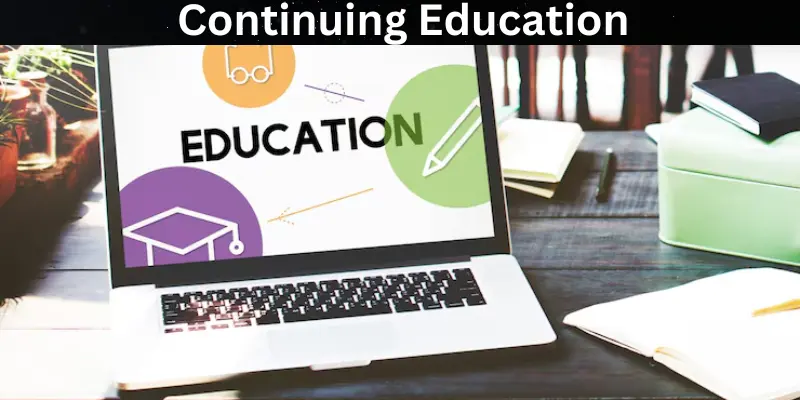
Continuing education spans all levels, from basic literacy and secondary completion to advanced professional development, postgraduate study, and informal lifelong learning. It serves students, professionals, educators, retirees, entrepreneurs, and anyone who seeks to remain relevant, capable, and intellectually engaged. This article explores continuing education in depth, covering its meaning, importance, and all educational levels, while highlighting its role in personal development, economic growth, and social progress.
What is Continuing Education
Continuing education is a broad concept that includes structured and unstructured learning activities pursued after an individual has completed—or stepped away from—traditional education. It may be formal, such as enrolling in a degree or certification program, or informal, such as self-directed learning through workshops, online platforms, or professional communities.
The defining characteristics of continuing education include:
- Learning beyond initial schooling
- Voluntary or career-driven participation
- Flexibility in delivery and pace
- Focus on skill enhancement, updating knowledge, or career transition
Continuing education recognizes that learning is lifelong, not confined to classrooms or specific age groups.
Importance of Continuing Education
Continuing education plays a critical role at individual, organizational, and societal levels.
Personal Development
At a personal level, continuing education enhances confidence, intellectual curiosity, and adaptability. It allows individuals to pursue interests, develop new competencies, and maintain mental agility throughout life.
Career Advancement
Professionally, continuing education supports promotions, career changes, and job security. Many industries require workers to update their skills regularly due to technological changes and evolving standards.
Economic Growth
A well-educated workforce drives innovation, productivity, and competitiveness. Continuing education helps close skill gaps and supports economic resilience.
Social Equity
Continuing education provides second chances for individuals who may have missed out on formal education earlier in life, promoting inclusion and social mobility.
Levels of Continuing Education
Continuing education exists across all levels of learning, each serving different purposes and audiences. Below is a detailed exploration of each level.
Foundational and Basic Education Level
Overview
Foundational continuing education focuses on essential skills such as literacy, numeracy, and basic digital competence. This level is often designed for adults who did not complete primary education or who require skill reinforcement.
Target Learners
- Adults with limited formal schooling
- Immigrants learning a new language
- Individuals seeking basic workplace skills
Key Components
- Reading and writing proficiency
- Basic mathematics
- Functional communication skills
- Introduction to digital tools
Importance
This level empowers learners to participate more fully in society, access employment opportunities, and continue to higher levels of education. It forms the backbone of lifelong learning by ensuring no one is excluded due to foundational skill gaps.
Secondary Education Level
Overview
Secondary-level continuing education allows individuals to complete or upgrade high school–equivalent qualifications. It may be delivered through evening classes, adult education centers, or online programs.
Target Learners
- Adults who left school early
- Workers seeking qualification upgrades
- Individuals preparing for postsecondary education
Key Components
- Core academic subjects
- Life and career readiness skills
- Assessment and certification
Importance
Completing secondary education significantly improves employment prospects, income potential, and access to higher education. It also fosters personal achievement and social inclusion.
Vocational and Technical Education Level
Overview
Vocational continuing education emphasizes practical, job-oriented skills aligned with specific trades or industries. Programs are typically shorter than academic degrees and highly focused.
Target Learners
- Skilled workers upgrading competencies
- Individuals entering new trades
- Employers training their workforce
Key Components
- Technical skills training
- Hands-on practice
- Industry standards and certifications
- Apprenticeships and internships
Importance
This level bridges the gap between education and employment. It responds quickly to labor market needs and supports workforce development, making it a vital component of continuing education systems.
Undergraduate-Level Continuing Education
Overview
Undergraduate continuing education includes part-time degrees, certificate programs, and diploma courses designed for adult learners. These programs often offer flexible schedules and alternative admission pathways.
Target Learners
- Working professionals
- Career changers
- Adults returning to education
Key Components
- General education and major-specific courses
- Academic skill development
- Applied learning opportunities
Importance
Undergraduate continuing education expands access to higher education, allowing learners to balance work, family, and study. It also supports career mobility and long-term earning potential.
Graduate-Level Continuing Education
Overview
Graduate-level continuing education includes master’s programs, postgraduate diplomas, and professional certifications. These programs focus on advanced knowledge, leadership, and specialization.
Target Learners
- Experienced professionals
- Managers and leaders
- Researchers and academics
Key Components
- Advanced theoretical frameworks
- Research and analytical skills
- Strategic and leadership training
Importance
This level enhances professional credibility, supports leadership development, and contributes to innovation and knowledge creation. It is especially important in fields that require advanced expertise.
Professional and Career Development Education
Overview
Professional continuing education is designed to maintain, improve, or expand professional competence. Many professions require ongoing education to maintain licensure or certification.
Target Learners
- Licensed professionals
- Corporate employees
- Entrepreneurs and consultants
Key Components
- Continuing professional development credits
- Workshops and seminars
- Industry updates and best practices
Importance
This level ensures professionals remain current, ethical, and effective in their fields. It supports quality standards and public trust in professional services.
Online and Distance Continuing Education
Overview
Online continuing education leverages digital technology to deliver learning anytime and anywhere. It spans all levels, from basic skills to advanced degrees.
Target Learners
- Remote or international learners
- Working adults
- Self-paced learners
Key Components
- Virtual classrooms and learning platforms
- Multimedia content
- Online assessments and collaboration
Importance
Online education democratizes access to learning, reduces geographic barriers, and supports flexible, personalized learning paths. It has become a cornerstone of modern continuing education.

Informal and Self-Directed Learning
Overview
Informal continuing education includes learning activities that are not structured or credentialed. These may include reading, attending talks, participating in communities, or learning through experience.
Target Learners
- Lifelong learners
- Retirees
- Hobbyists and enthusiasts
Key Components
- Self-motivation
- Curiosity-driven exploration
- Practical life skills
Importance
Informal learning fosters creativity, adaptability, and personal fulfillment. It reinforces the idea that learning is not limited to institutions or formal programs.
Challenges in Continuing Education
Despite its benefits, continuing education faces several challenges:
- Time constraints for adult learners
- Financial barriers
- Limited access in underserved communities
- Balancing quality with flexibility
Addressing these challenges requires supportive policies, employer involvement, and innovative delivery models.
The Role of Institutions and Employers
Educational institutions, governments, and employers play a critical role in promoting continuing education by:
- Offering flexible and affordable programs
- Recognizing prior learning and experience
- Providing financial support and incentives
- Encouraging a culture of lifelong learning
Collaboration among these stakeholders ensures that continuing education remains relevant and accessible.
History of Continuing Education
The history of continuing education is closely tied to the evolution of human society, work, and knowledge. From ancient civilizations to the digital age, learning beyond formal schooling has always existed in various forms.
Early Civilizations
In ancient societies such as Egypt, Greece, China, and India, learning continued throughout life, especially for scholars, philosophers, and craftsmen. Education was informal and often passed through mentorship, apprenticeships, and oral traditions. Philosophers emphasized lifelong learning as a path to wisdom and civic responsibility.
Middle Ages
During the medieval period, continuing education was mainly limited to religious institutions. Monasteries and religious schools provided ongoing learning for clergy and scholars. Guild systems also played a major role, where artisans learned and refined skills throughout their working lives through apprenticeships and master training.
Industrial Revolution (18th–19th Century)
The Industrial Revolution marked a major turning point. Rapid industrialization created new professions and technical skills, making ongoing education necessary. Adult night schools, workers’ institutes, and public lectures emerged to help workers adapt to changing job requirements.
20th Century Expansion
In the 20th century, continuing education became more formalized. Universities introduced extension programs, evening classes, and professional certification courses. Governments recognized adult education as essential for economic development and social mobility. Distance learning also began to grow through correspondence courses.
Digital Age and Modern Era
With the rise of the internet, continuing education transformed dramatically. Online learning platforms, virtual classrooms, professional development programs, and micro-credentials now allow learners to study anytime and anywhere. Today, continuing education is a global, lifelong process supporting career growth, innovation, and personal development.
Benefits of Continuing Education
Continuing education offers wide-ranging benefits at individual, professional, and societal levels.
Personal Benefits
Continuing education promotes personal growth, confidence, and intellectual curiosity. It helps individuals stay mentally active, explore new interests, and adapt to life changes. Learning new skills also improves self-esteem and problem-solving abilities.
Professional Benefits
In the workplace, continuing education enhances job performance, career advancement, and employability. It allows professionals to keep up with industry changes, technology, and best practices. Many promotions and leadership roles require updated qualifications or specialized knowledge.
Economic Benefits
A skilled and educated workforce contributes to higher productivity and economic growth. Continuing education helps reduce unemployment by enabling workers to reskill or upskill according to labor market demands.
Social Benefits
Continuing education supports social inclusion by offering second-chance learning opportunities. It empowers individuals who may have missed formal education earlier in life and promotes equal access to knowledge.
Lifelong Adaptability
In a rapidly changing world, continuing education helps individuals remain adaptable. It encourages lifelong learning habits that are essential for navigating technological advances and global challenges.
Pros & Cons of Continuing Education
| Pros of Continuing Education | Cons of Continuing Education |
|---|---|
| Enhances career advancement and promotion opportunities | Can be expensive, especially for formal programs |
| Keeps skills and knowledge up to date | Balancing work, family, and study can be challenging |
| Increases employability and job security | Time commitment may cause stress or fatigue |
| Supports career change and reskilling | Not all programs guarantee immediate career benefits |
| Boosts confidence and personal development | Quality of programs may vary |
| Encourages lifelong learning and adaptability | Requires strong self-discipline and motivation |
| Helps meet professional licensing requirements | Limited access for some communities |
| Expands professional networks | Technology barriers may affect some learners |
Comparison of Continuing Education with Other Types of Education
Continuing education differs from traditional and other forms of education in purpose, structure, audience, and flexibility. The table below highlights the key differences.
| Aspect | Continuing Education | Traditional Formal Education | Vocational Education | Informal Learning |
|---|---|---|---|---|
| Purpose | Skill enhancement, career growth, lifelong learning | Foundational academic learning | Job-specific skill training | Personal interest and self-growth |
| Target Learners | Adults, professionals, lifelong learners | Children and young adults | Students and working adults | Anyone, all age groups |
| Entry Requirement | Flexible, often experience-based | Fixed age and qualification requirements | Varies by trade or skill | No formal requirements |
| Learning Structure | Flexible, modular, part-time | Structured, full-time | Structured and practical | Unstructured |
| Duration | Short-term to long-term | Long-term (years) | Short to medium-term | No fixed duration |
| Delivery Mode | Online, hybrid, evening, weekend | Classroom-based | Classroom + hands-on | Self-directed |
| Certification | Certificates, diplomas, CPD credits | Degrees and diplomas | Trade certificates | Usually none |
| Flexibility | High | Low to moderate | Moderate | Very high |
| Career Focus | Strong career and skill focus | Broad academic focus | Direct employment focus | Not career-focused |
| Cost | Varies; often lower than full degrees | Often high | Moderate | Usually free or low-cost |
Key Takeaway
Continuing education stands out for its flexibility, accessibility, and relevance to real-world skills, making it ideal for adults who want to learn while managing work and personal responsibilities.
FAQs on Continuing Education
What is continuing education?
Continuing education refers to learning activities pursued after initial formal education. It includes professional development, certification programs, skill-based courses, and personal enrichment learning.
Who should pursue continuing education?
Continuing education is suitable for:
- Working professionals
- Career changers
- Entrepreneurs
- Retirees
- Anyone interested in lifelong learning
There is no age limit for continuing education.
Is continuing education only for professionals?
No. While professionals commonly pursue continuing education, it is also designed for individuals seeking personal growth, skill development, or completion of earlier education.
Does continuing education improve career prospects?
Yes. Continuing education helps individuals stay updated with industry trends, improve skills, qualify for promotions, and increase employability. However, outcomes depend on program relevance and quality.
Is continuing education expensive?
Costs vary widely. Some programs are affordable or free (especially online), while others—such as advanced certifications or degrees—may require significant investment. Many employers also sponsor continuing education.
Can continuing education be done online?
Yes. Many continuing education programs are offered online, allowing learners to study at their own pace. Online learning has become one of the most popular formats due to flexibility and accessibility.
Summary
Continuing education is a comprehensive, lifelong process that spans all levels of learning—from foundational skills to advanced professional development. It supports personal growth, career advancement, economic stability, and social inclusion. By accommodating diverse learners and adapting to changing needs, continuing education ensures that learning remains dynamic and relevant throughout life.
Conclusion
In an era defined by constant change, continuing education is no longer optional—it is essential. It empowers individuals to adapt, grow, and thrive across every stage of life. By embracing continuing education at all levels, societies invest in human potential, resilience, and progress. Lifelong learning is not merely an educational strategy; it is a mindset that prepares individuals and communities for the future.



- Be Respectful
- Stay Relevant
- Stay Positive
- True Feedback
- Encourage Discussion
- Avoid Spamming
- No Fake News
- Don't Copy-Paste
- No Personal Attacks
- Be Respectful
- Stay Relevant
- Stay Positive
- True Feedback
- Encourage Discussion
- Avoid Spamming
- No Fake News
- Don't Copy-Paste
- No Personal Attacks
