Levels of Education: A Complete Guide
Published: 5 Mar 2026
Education is the foundation of personal and societal development. It shapes our understanding of the world, prepares us for careers, and helps us become responsible citizens. Education is not just about attending school; it is a lifelong journey that evolves with age and experience. Understanding the different levels of education is essential for students, parents, and educators alike, as it helps in planning learning paths and career growth.
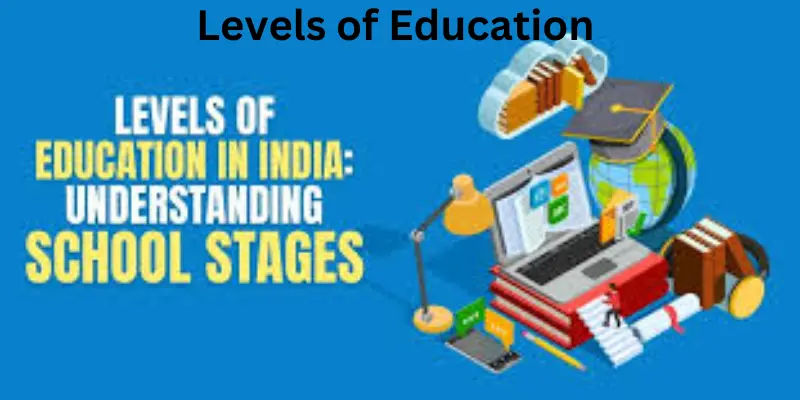
Education is generally divided into multiple stages, from early childhood education to higher and adult education. Each stage has its objectives, teaching methods, and learning outcomes. In this article, we will explore all levels of education from start to end, detailing their importance, structure, and benefits.
History of Education Levels
The concept of education has evolved significantly over centuries. In early civilizations such as those of Mesopotamia, Egypt, India, and China, education was informal and limited to elites, focusing on religious teachings, administration, and survival skills. Learning was passed orally or through apprenticeships rather than structured institutions.
During ancient times, formal education systems began to emerge. In Greece, education emphasized philosophy, mathematics, and physical training, while Roman education focused on law, rhetoric, and governance. Education at this stage was still limited to specific social classes.
The Middle Ages saw education largely controlled by religious institutions. Monasteries and madrasas preserved knowledge and provided structured learning, though access remained restricted. The Renaissance period marked a turning point, emphasizing humanism, science, and arts, which expanded educational curricula.
The modern levels of education—early childhood, primary, secondary, and higher education—developed during the Industrial Revolution. As societies industrialized, governments recognized the need for a skilled workforce, leading to compulsory primary education laws. Secondary and higher education expanded in the 19th and 20th centuries, introducing standardized curricula and degrees.
In the 21st century, education has further evolved with the inclusion of vocational training, adult education, online learning, and inclusive education. Today, education levels are designed to provide lifelong learning opportunities for individuals of all ages and abilities.
Benefits of Education Levels
Education levels offer structured learning experiences that support intellectual, social, and professional development at every stage of life.
1. Personal Development
Each education level builds cognitive, emotional, and social skills appropriate to a learner’s age. Early education develops curiosity, primary education builds basic skills, and higher education fosters critical thinking and independence.
2. Career Preparation
Secondary and higher education guide students toward career paths. Vocational and professional education provide job-specific skills, increasing employability and income potential.
3. Social and Economic Growth
Educated populations contribute to economic development, innovation, and social stability. Education reduces poverty, unemployment, and inequality.
4. Lifelong Learning
Different education levels allow continuous learning, enabling individuals to adapt to changing technologies and job markets.
5. Equality and Empowerment
Education levels promote gender equality, social mobility, and empowerment by providing equal opportunities regardless of background.
Pros and Cons of Education Levels
While education levels provide many advantages, they also face certain limitations.
Pros
- Structured learning: Clear progression from basic to advanced knowledge
- Skill development: Academic, technical, and life skills are developed systematically
- Career opportunities: Higher education increases job prospects
- Socialization: Students learn teamwork, discipline, and communication
- Standardization: Recognized qualifications ensure consistency and credibility
Cons
- Access inequality: Not all students have equal access to quality education
- Pressure and stress: Exams and competition can affect mental health
- Cost: Higher education can be expensive
- Rigid systems: Some systems focus more on grades than creativity
- Skill gap: Traditional education may lack real-world or practical skills
Comparison of All Levels of Education
| Education Level | Age Group | Main Focus | Advantages | Limitations |
|---|---|---|---|---|
| Early Childhood | 3–6 years | Social, emotional, and basic cognitive development | Builds foundation, encourages creativity | Limited academic depth |
| Primary Education | 6–11 years | Literacy, numeracy, basic knowledge | Strong base for learning | Learning pace may vary |
| Secondary Education | 12–18 years | Advanced subjects, career orientation | Prepares for higher education or jobs | Academic pressure |
| Higher Education | 18+ years | Specialization, research, professional skills | Better career prospects | High cost, time-consuming |
| Vocational Education | 16+ years | Practical, job-based skills | Employment-ready skills | Limited academic scope |
| Adult Education | Any age | Skill upgrade, literacy, personal growth | Flexible and inclusive | Limited recognition |
| Informal Education | All ages | Life skills, self-learning | Lifelong learning | No certification |
Early Childhood Education (Pre-Primary Education)
Early childhood education (ECE) refers to formal learning that takes place before a child enters primary school. This stage typically includes children aged 3–6 years and is sometimes called pre-primary or preschool education.
Key Components:
- Nursery / Playgroup (Ages 3–4): Focuses on socialization, play-based learning, basic motor skills, and introduction to letters and numbers.
- Kindergarten (Ages 5–6): Prepares children for primary school with early literacy, numeracy, and basic problem-solving skills.
Importance:
- Enhances cognitive, social, and emotional development.
- Builds a strong foundation for formal schooling.
- Encourages creativity and curiosity.
Learning Methods:
- Play-based activities
- Storytelling and songs
- Arts and crafts
- Outdoor exploration
Primary Education (Elementary School)
Primary education, also called elementary school, is the first stage of compulsory education, usually covering children aged 6–11 years.
Structure:
- Grades 1–5 (or 6 in some countries)
- Subjects include: reading, writing, mathematics, science, social studies, art, and physical education.
Goals:
- Develop basic literacy and numeracy skills.
- Introduce fundamental concepts in science and social studies.
- Build social skills through group activities.
- Foster a sense of responsibility and discipline.
Benefits:
- Establishes the foundation for higher learning.
- Identifies individual talents and interests.
- Encourages moral and ethical understanding.
Challenges:
- Ensuring access to quality education for all children.
- Addressing learning differences among students.
Secondary Education (Middle and High School)
Secondary education follows primary education and typically includes adolescents aged 11–18 years. It is often divided into lower secondary (middle school) and upper secondary (high school).
Structure:
- Lower Secondary (Grades 6–8): Focus on core subjects, introduction to advanced concepts.
- Upper Secondary (Grades 9–12): Includes specialized streams such as Science, Commerce, Arts, or vocational education.
Key Subjects:
- Language and Literature
- Mathematics
- Science (Physics, Chemistry, Biology)
- Social Studies / History / Geography
- Technology and Computer Skills
- Physical Education and Arts

Importance:
- Prepares students for higher education or vocational training.
- Helps in career guidance and skill development.
- Enhances critical thinking, problem-solving, and creativity.
Assessment:
- National or regional exams (like high school diploma, GCSEs, or secondary school certificates).
- Continuous assessment through projects, quizzes, and assignments.
Higher Education (Post-Secondary Education)
Higher education refers to learning beyond secondary school, usually at colleges, universities, or vocational institutions. This level provides advanced knowledge and skills in specific fields
Types of Higher Education:
- Undergraduate Programs (Bachelor’s Degrees)
- Duration: 3–4 years
- Examples: BA, BSc, BCom, BTech
- Focus: Foundational knowledge and basic professional skills.
- Postgraduate Programs (Master’s Degrees)
- Duration: 1–2 years
- Examples: MA, MSc, MCom, MBA
- Focus: Advanced specialization in a field of study.
- Doctoral Programs (PhD, MPhil)
- Duration: 3–6 years
- Focus: Research, innovation, and contribution to academic knowledge.
- Diploma & Certificate Courses
- Duration: Few months to 2 years
- Focus: Skill development, vocational training, or professional certifications.
Importance:
- Prepares students for professional careers.
- Promotes research, innovation, and critical thinking.
- Enhances employment opportunities and earning potential.
Global Perspective:
- Higher education standards vary by country, but the goal remains consistent: preparing skilled and knowledgeable individuals for society.
Vocational Education and Training (VET)
Vocational education focuses on practical skills and training for specific trades, crafts, or careers. It is often an alternative or complement to traditional academic education
Examples:
- Technical schools
- Apprenticeships
- Skill development programs in IT, healthcare, hospitality, or engineering
Importance:
- Prepares students for immediate employment.
- Reduces skill gaps in the workforce.
- Offers hands-on experience and practical knowledge.
Advantages:
- Fast-track to career readiness.
- Lower cost and duration compared to traditional degrees.
- High demand in industries requiring skilled labor
Adult and Continuing Education
Adult education caters to individuals who missed formal education, want to upgrade skills, or pursue lifelong learning. This includes literacy programs, professional development courses, and hobby-based learning.
Types:
- Adult Literacy Programs: Basic reading, writing, and numeracy.
- Professional Development: Online courses, workshops, and certifications.
- Community Education: Courses on arts, languages, or health awareness.
Importance:
- Empowers adults to participate fully in society.
- Enhances employability and career growth.
- Promotes personal growth and social inclusion.
Informal Education
Informal education occurs outside formal institutions and is not structured. It includes learning from life experiences, family, media, books, and peers.
Examples:
- Learning through travel or cultural experiences
- Self-study and online resources
- Mentorship and community involvement
Importance:
- Encourages lifelong learning.
- Helps develop soft skills like communication, empathy, and adaptability.
- Complements formal education for holistic growth.
Non-Formal Education
Non-formal education is structured but outside the formal school system. It targets specific learning objectives, often community or skill-based
Examples:
- NGO-led programs
- Adult literacy campaigns
- Online short courses or workshops
Benefits:
- Flexible and accessible for diverse populations.
- Focuses on practical knowledge.
- Enhances social awareness and employability.
Special Education
Special education is designed for students with disabilities or learning difficulties. It ensures they have access to equitable learning opportunities.
Methods and Tools:
- Individualized Education Programs (IEPs)
- Assistive technology (screen readers, hearing aids)
- Inclusive classroom practices
Importance:
- Promotes equality and inclusivity.
- Helps students achieve their full potential.
- Encourages social integration and understanding.
FAQs on Levels of Education
1. What is the first level of education?
The first level is early childhood education, which includes nursery and kindergarten programs.
2. At what age does primary education start?
Primary education typically starts at age 6 and continues until age 11 or 12.
3. What is the difference between formal and non-formal education?
Formal education follows a structured curriculum in schools or universities. Non-formal education is structured but outside the traditional system, often skill or community-focused.
4. Why is higher education important?
Higher education provides advanced knowledge, prepares for professional careers, and promotes research and innovation.
5. Can vocational training replace higher education?
Vocational training focuses on practical skills for immediate employment. It can complement higher education but may not replace it for professions requiring degrees.
6. What is adult education?
Adult education is learning designed for adults, including literacy programs, skill enhancement, and personal growth courses.
Summary
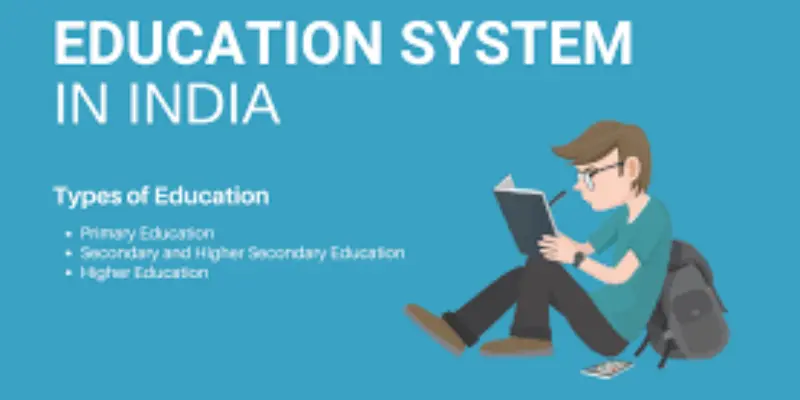
Education is a lifelong journey that evolves across multiple levels. Starting with early childhood education, it progresses through primary and secondary schooling, higher education, vocational training, and adult learning. Alongside formal education, informal, non-formal, and special education play crucial roles in shaping well-rounded individuals. Each level has a unique purpose, contributing to personal development, career readiness, and societal growth.
Understanding these levels helps parents, students, and educators make informed decisions about learning paths. It also ensures that every individual receives the right opportunities to succeed in life.
Conclusion
Education is not just a phase in life but a continuous process that molds individuals and societies. Each level, from pre-primary to higher education and beyond, plays a vital role in nurturing knowledge, skills, and values. By recognizing and supporting all levels of education, we can ensure that learning becomes an empowering journey for everyone—enabling personal growth, career success, and a brighter, more equitable future.


- Be Respectful
- Stay Relevant
- Stay Positive
- True Feedback
- Encourage Discussion
- Avoid Spamming
- No Fake News
- Don't Copy-Paste
- No Personal Attacks
- Be Respectful
- Stay Relevant
- Stay Positive
- True Feedback
- Encourage Discussion
- Avoid Spamming
- No Fake News
- Don't Copy-Paste
- No Personal Attacks
