Why Education Is Important: Building Individuals, Societies, and the Future
Published: 23 Mar 2026
Introduction
Education is one of the most powerful tools known to humanity. It shapes the way individuals think, act, and contribute to society. From early childhood to higher education and lifelong learning, education plays a critical role in personal development, economic growth, social stability, and global progress. It is not merely the process of acquiring knowledge from books or classrooms; rather, it is a lifelong journey that develops values, skills, creativity, and critical thinking. As education is compulsory, therefore everyone should know the Levels of Education.
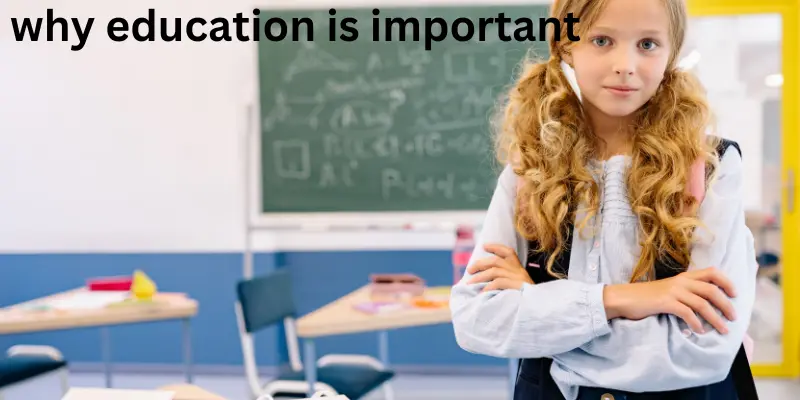
In a rapidly changing world driven by technology, globalization, and complex social challenges, education has become more important than ever. It equips people with the ability to adapt, innovate, and make informed decisions. Education empowers individuals to escape poverty, improves health outcomes, promotes equality, and strengthens democratic societies.
This article explores why education is important, examining its role across all levels of education—early childhood, primary, secondary, higher education, vocational training, and adult education. Each level contributes uniquely to human development and societal progress. By understanding the full scope of education’s impact, we can better appreciate why investing in education is essential for individuals and nations alike.
The Importance of Early Childhood Education
1 Foundation of Learning
Early childhood education refers to learning that takes place from birth to around eight years of age. This stage is crucial because it lays the foundation for cognitive, emotional, social, and physical development. During these early years, a child’s brain develops rapidly, making it the most influential period for learning basic skills such as language, problem-solving, and social interaction.
Children who receive quality early education are more likely to develop strong literacy and numeracy skills later in life. They learn how to communicate, cooperate, and manage emotions, which are essential for success in school and beyond.
2 Social and Emotional Development
Early education helps children understand social norms, build relationships, and develop empathy. Through interaction with peers and teachers, children learn teamwork, sharing, patience, and respect for others. These social skills form the basis of responsible behavior and positive relationships in adulthood.
3 Long-Term Benefits
Studies consistently show that early childhood education leads to better academic performance, lower dropout rates, and higher employment opportunities later in life. It also reduces social problems such as crime and dependency on welfare. Investing in early education is one of the most cost-effective ways to promote long-term social and economic development.
The Role of Primary Education
1 Building Basic Knowledge and Skills
Primary education is the first formal stage of schooling and is essential for developing fundamental skills such as reading, writing, mathematics, and basic scientific understanding. These skills are the building blocks for all future learning.
Without primary education, individuals struggle to function effectively in society. Literacy and numeracy are necessary for everyday tasks, from managing finances to understanding health information.
2 Moral and Civic Development
Primary education also introduces children to moral values, discipline, and civic responsibility. Students learn about honesty, fairness, respect, and cooperation. They begin to understand their role in society and the importance of following rules and contributing positively to their community.
3 Reducing Inequality
Access to quality primary education helps reduce social and economic inequality. It provides children from disadvantaged backgrounds with opportunities to improve their lives. Universal primary education is widely recognized as a key factor in breaking the cycle of poverty.
The Importance of Secondary Education
1 Expanding Knowledge and Critical Thinking
Secondary education builds upon the foundation laid in primary school. At this level, students are introduced to more complex subjects such as advanced mathematics, sciences, literature, history, and social studies. This stage encourages critical thinking, logical reasoning, and problem-solving.
Students learn to analyze information, question assumptions, and form independent opinions. These skills are essential in a world filled with information, misinformation, and rapid change.
2 Personal Identity and Career Awareness
Adolescence is a critical period for personal development. Secondary education helps students discover their interests, talents, and strengths. Career guidance, extracurricular activities, and subject specialization allow students to explore potential career paths and make informed decisions about their future.
3 Social Responsibility and Citizenship
Secondary education plays a vital role in shaping responsible citizens. Students learn about human rights, democracy, environmental protection, and global issues. This knowledge helps them become informed voters, ethical leaders, and active participants in society.
Higher Education and Its Significance
1 Advanced Knowledge and Specialization
Higher education, including colleges and universities, provides advanced knowledge and specialized training in various fields such as medicine, engineering, law, education, and the arts. It enables individuals to become experts and professionals who contribute to innovation and development.
Higher education fosters research, creativity, and intellectual growth. It is the driving force behind scientific discoveries, technological advancements, and cultural progress.
2 Economic Growth and Employment
A well-educated workforce is essential for economic growth. Higher education increases employment opportunities and earning potential. Graduates are more likely to secure stable jobs, adapt to changing labor markets, and contribute productively to the economy.
Countries with strong higher education systems tend to be more competitive globally, as they can attract investment, create industries, and produce skilled professionals.
3 Leadership and Social Change
Higher education develops future leaders, policymakers, educators, and innovators. Universities encourage debate, critical inquiry, and ethical reflection. Graduates often play key roles in shaping public policy, promoting social justice, and addressing global challenges such as climate change and public health.
Vocational and Technical Education
1 Practical Skills and Employability
Vocational and technical education focuses on practical skills and hands-on training for specific trades and professions. This level of education is crucial for producing skilled workers such as technicians, electricians, mechanics, healthcare assistants, and artisans.
Not all learners follow academic pathways, and vocational education provides an alternative route to meaningful employment and economic independence.
2 Supporting Industry and Development
Vocational education supports industries by supplying skilled labor that meets market demands. It reduces unemployment and bridges the gap between education and the workforce. For developing economies, strong vocational training systems are essential for industrial growth and infrastructure development.
3 Dignity of Labor
This form of education promotes respect for all forms of work. It challenges the misconception that only academic education leads to success and highlights the importance of practical skills in sustaining society.
Adult Education and Lifelong Learning
1 Adapting to Change
In today’s fast-changing world, education does not end with formal schooling. Adult education and lifelong learning help individuals update their skills, learn new technologies, and adapt to changing job requirements.
Continuous learning is essential for career advancement and personal fulfillment.
2 Personal Empowerment
Adult education empowers individuals by improving literacy, financial skills, and digital competence. It increases confidence, independence, and participation in society. Educated adults are better equipped to make informed decisions about health, finances, and family life.
3 Social Inclusion
Lifelong learning promotes social inclusion by providing opportunities for marginalized groups, including women, minorities, and the elderly. It helps reduce social isolation and encourages active engagement in community life.
Education and Social Development
1 Promoting Equality and Justice
Education is a powerful tool for promoting equality. It challenges discrimination, reduces gender gaps, and empowers marginalized communities. Educated individuals are more likely to advocate for fairness, human rights, and social justice.
2 Improving Health and Well-being
Education improves health outcomes by increasing awareness of nutrition, hygiene, and disease prevention. Educated individuals are more likely to seek medical care, adopt healthy lifestyles, and support public health initiatives.
3 Strengthening Democracy
Education fosters informed citizenship and democratic participation. It enables people to understand political systems, evaluate policies, and hold leaders accountable. A well-educated population is essential for a stable and functioning democracy.
Education in the Global and Technological Era
1 Innovation and Technology
Education drives innovation by developing scientific and technological skills. In the digital age, education helps individuals navigate technology responsibly, use information effectively, and contribute to technological progress.
2 Global Understanding
Education promotes global awareness and cultural understanding. It encourages respect for diversity and cooperation among nations. In an interconnected world, education helps address global challenges through collaboration and shared knowledge.
FAQs: Why Education Is Important
1. Why is education important for individuals?
Education is important for individuals because it develops knowledge, skills, and critical thinking. It helps people make informed decisions, build confidence, improve communication skills, and achieve personal and professional goals. Education also empowers individuals to adapt to change and lead meaningful lives.
2. Why is education important for society?
Education is important for society because it promotes social harmony, equality, and responsible citizenship. Educated individuals are more likely to respect laws, participate in democratic processes, and contribute positively to their communities. Education also helps reduce crime, poverty, and social inequality.
3. Why is education important for economic development?
Education is essential for economic development because it creates a skilled and productive workforce. Educated workers improve efficiency, innovation, and entrepreneurship, which leads to economic growth. Higher education and vocational training also reduce unemployment and increase income levels.
4. Why is education important in the modern world?
In the modern world, education is important because it helps people keep up with rapid technological and social changes. It develops digital literacy, problem-solving skills, and adaptability. Education enables individuals to understand global issues and compete in a knowledge-based economy.
5. Why is education important for equality and social justice?
Education promotes equality by providing equal opportunities for people from all backgrounds. It empowers marginalized groups, reduces gender discrimination, and encourages awareness of human rights. Through education, individuals learn to challenge injustice and support inclusive societies.
6. Why is education considered a lifelong process?
Education is considered a lifelong process because learning does not stop after formal schooling. Continuous education helps individuals update their skills, improve personal growth, and adapt to changing career demands. Lifelong learning ensures continuous development throughout all stages of life.
Summary
Education is a comprehensive and lifelong process that influences every aspect of human life. From early childhood to adulthood, each level of education plays a unique and essential role. Early education builds the foundation for learning, primary education develops basic skills, secondary education enhances critical thinking, higher education fosters specialization and leadership, vocational education provides practical skills, and adult education ensures continuous growth.
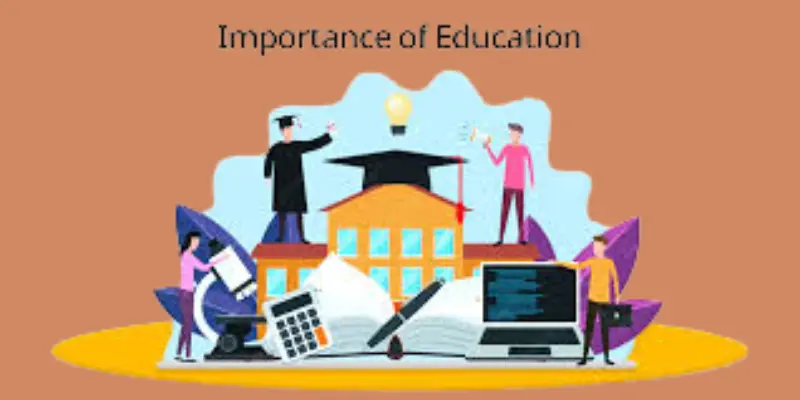
Beyond individual benefits, education strengthens societies by promoting equality, economic development, health, and democratic values. It is a catalyst for innovation, social cohesion, and global progress.
Conclusion
Education is not a privilege but a necessity. It is the cornerstone of personal development and societal advancement. By investing in education at all levels, societies empower individuals to reach their full potential and contribute meaningfully to the world.
In an era of rapid change and complex challenges, education remains the most reliable path toward a more just, prosperous, and sustainable future. Ensuring access to quality education for all is not only a moral responsibility but also a strategic investment in humanity’s collective success.


- Be Respectful
- Stay Relevant
- Stay Positive
- True Feedback
- Encourage Discussion
- Avoid Spamming
- No Fake News
- Don't Copy-Paste
- No Personal Attacks
- Be Respectful
- Stay Relevant
- Stay Positive
- True Feedback
- Encourage Discussion
- Avoid Spamming
- No Fake News
- Don't Copy-Paste
- No Personal Attacks
