Definition of Education: Meaning, Scope, and Levels
Published: 9 May 2026
Introduction
Education is one of the most powerful and enduring forces shaping human civilization. From the earliest forms of storytelling and skill transmission in primitive societies to modern digital classrooms and global learning platforms, education has always been central to human development. It is through education that individuals acquire knowledge, develop skills, shape values, and learn to participate meaningfully in society. Education not only prepares individuals for employment but also fosters critical thinking, moral reasoning, creativity, and social responsibility. The articles Why Education Is Important and Levels of Education are very informational in this regard
The concept of education is broad and multifaceted. It extends beyond formal schooling to include informal experiences, lifelong learning, cultural transmission, and personal growth. Different scholars, philosophers, and institutions have defined education in various ways, reflecting its complexity and evolving nature. Moreover, education is organized into different levels, each designed to meet the developmental, intellectual, and social needs of learners at various stages of life.
This article provides a comprehensive discussion of the definition of education, its key characteristics, objectives, and significance. It also presents a detailed explanation of all levels of education, from early childhood to higher and adult education. The article concludes with a summary and final reflections on the role of education in individual and societal progress.
Definition of Education
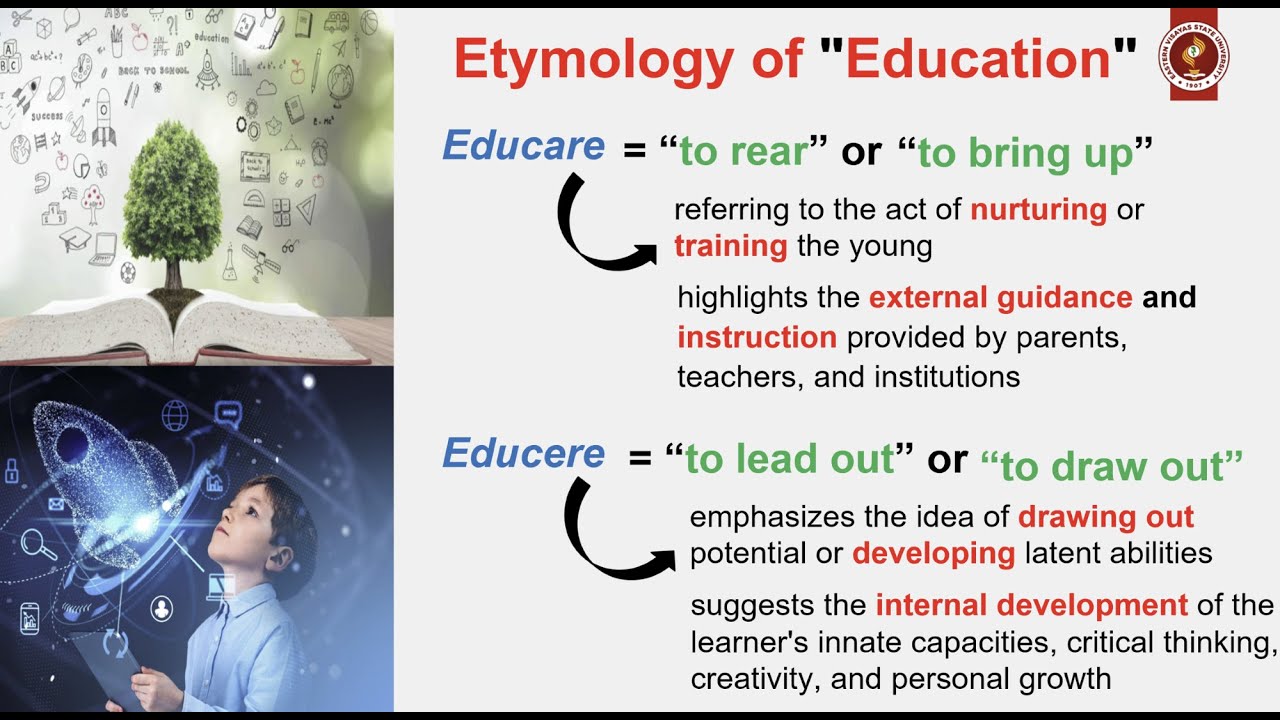
The word education is derived from the Latin terms educare and educere. Educare means “to nourish, to bring up, or to train,” while educere means “to lead out” or “to draw out.” Together, these meanings suggest that education is both a process of providing knowledge and a means of developing the inherent potential of an individual.
In simple terms, education can be defined as the process of acquiring knowledge, skills, values, beliefs, habits, and attitudes through learning, instruction, training, or experience. It is a deliberate and systematic effort to facilitate learning and development.
According to different perspectives:
- Education as a process: Education is a continuous and lifelong process that begins at birth and continues until death. It involves the development of intellectual, physical, emotional, social, and moral aspects of an individual.
- Education as a product: Education is the outcome of learning experiences, reflected in knowledge gained, skills developed, and attitudes formed.
- Education as a social institution: Education functions as an organized system within society, responsible for transmitting culture, social norms, and shared values from one generation to the next.
- Education as personal development: Education helps individuals realize their full potential and become self-reliant, responsible, and informed members of society.
Thus, education is not limited to classroom teaching or academic achievement; it encompasses all experiences that contribute to personal growth and social well-being.
Nature and Characteristics of Education
Education possesses several defining characteristics that distinguish it from other forms of learning or training:
- Lifelong Process
Education does not end with formal schooling. Individuals continue to learn throughout their lives through work experiences, social interactions, self-study, and reflection. - Purposeful and Planned
Formal education is guided by specific objectives, curricula, and teaching methods designed to achieve desired learning outcomes. - Dynamic and Evolving
Education evolves with changes in society, technology, culture, and knowledge. What is taught and how it is taught constantly adapts to new realities. - Holistic Development
Education aims at the overall development of individuals, including intellectual, physical, emotional, moral, and social growth. - Social and Cultural Transmission
Education plays a crucial role in preserving and transmitting cultural heritage, traditions, languages, and values. - Means of Social Change
Education empowers individuals to challenge injustice, promote equality, and contribute to social progress.
Objectives of Education
The objectives of education vary depending on societal needs, cultural values, and individual aspirations. However, some common objectives include:
- Intellectual Development: Enhancing reasoning, critical thinking, problem-solving, and creativity.
- Vocational Preparation: Equipping learners with skills necessary for employment and economic independence.
- Moral and Ethical Development: Instilling values such as honesty, respect, responsibility, and empathy.
- Social Development: Preparing individuals to live harmoniously in society and fulfill civic duties.
- Personal Growth: Encouraging self-awareness, confidence, and emotional well-being.
- Cultural Preservation: Transmitting cultural identity and heritage across generations.
Benefits of Education
Education plays a vital role in shaping individuals and society. Its benefits extend beyond academic achievement and influence every aspect of life.
1. Personal Development
Education helps individuals develop self-confidence, discipline, critical thinking, and problem-solving skills. It enables people to understand themselves better and make informed decisions in life.
2. Economic Growth and Employment
Educated individuals have better employment opportunities and higher earning potential. Education equips people with professional skills, reduces unemployment, and contributes to national economic development.
3. Social Equality
Education promotes equality by providing equal opportunities regardless of gender, caste, religion, or economic background. It helps reduce poverty and social discrimination.
4. Moral and Ethical Values
Education instills values such as honesty, respect, tolerance, responsibility, and empathy. These values are essential for building a peaceful and just society.
5. Improved Health and Living Standards
Educated people are more aware of health, hygiene, nutrition, and safety. This awareness leads to healthier lifestyles and improved quality of life.
6. Active Citizenship
Education creates responsible citizens who understand their rights and duties. Educated individuals are more likely to participate in democratic processes and contribute positively to society.
7. Social and Technological Progress
Education encourages innovation, scientific advancement, and technological development. It prepares individuals to adapt to change and solve modern global challenges.
Levels of Education
Education is systematically organized into different levels to address the learning needs of individuals at various stages of development. Each level has specific goals, curricula, and instructional methods.
1. Early Childhood Education
Definition and Scope
Early childhood education refers to the educational experiences provided to children from birth to approximately eight years of age. This stage includes pre-primary or preschool education and the early years of primary schooling.
Objectives
- Promote physical, cognitive, emotional, and social development
- Develop basic language and communication skills
- Encourage curiosity, creativity, and exploration
- Foster positive attitudes toward learning
Key Features
Early childhood education emphasizes play-based learning, interaction, and experiential activities. Teachers create supportive environments that nurture children’s natural curiosity and help them develop foundational skills.
Importance
This level lays the foundation for lifelong learning and development. Research shows that high-quality early education significantly improves academic performance, social skills, and emotional stability in later years.
2. Primary Education
Definition and Scope
Primary education is the first stage of formal schooling, typically provided to children between the ages of six and twelve. It focuses on fundamental knowledge and basic skills.
Objectives
- Develop literacy and numeracy skills
- Introduce basic concepts in science, social studies, and arts
- Foster moral values and good habits
- Encourage social interaction and teamwork
Curriculum
The primary curriculum usually includes:
- Language and communication
- Mathematics
- Environmental studies or science
- Social studies
- Art, music, and physical education
Importance
Primary education forms the backbone of the educational system. It equips learners with essential skills required for further education and everyday life.
3. Secondary Education
Secondary education follows primary education and is generally divided into two stages: lower secondary and upper secondary education.
a) Lower Secondary Education
Definition and Scope
Lower secondary education builds upon primary education and typically serves students aged twelve to fifteen.
Objectives
- Expand academic knowledge
- Develop analytical and critical thinking skills
- Identify students’ interests and aptitudes
- Promote discipline and responsibility
Curriculum
Subjects become more specialized and may include:
- Advanced mathematics
- Natural sciences
- Social sciences
- Languages
- Technology and life skills
b) Upper Secondary Education
Definition and Scope
Upper secondary education serves students aged fifteen to eighteen and prepares them for higher education or employment.
Objectives
- Provide in-depth subject knowledge
- Prepare students for competitive examinations
- Develop career-oriented skills
- Encourage independent learning
Streams
Students often choose between academic, technical, or vocational streams based on their interests and career goals.
Importance of Secondary Education
Secondary education plays a critical role in shaping students’ academic and professional futures. It bridges the gap between basic education and specialized training.
4. Higher Education
Definition and Scope
Higher education, also known as tertiary education, refers to post-secondary education offered by colleges, universities, and other institutions.
Objectives
- Advance specialized knowledge and research
- Prepare professionals for various fields
- Promote innovation and critical inquiry
- Develop leadership and ethical responsibility
Types of Higher Education Programs
- Undergraduate programs
- Postgraduate programs
- Doctoral and research programs
- Professional and technical education
Importance
Higher education contributes significantly to economic development, scientific advancement, and cultural enrichment. It also enhances individuals’ career prospects and social mobility.
5. Vocational and Technical Education
Definition and Scope
Vocational and technical education focuses on practical skills and job-specific training. It prepares individuals for skilled trades, technical occupations, and specific careers.
Objectives
- Develop employable skills
- Reduce unemployment
- Meet labor market demands
- Promote self-employment
Key Features
This level emphasizes hands-on training, apprenticeships, and industry-oriented curricula. It is suitable for learners who prefer practical learning over academic study.
6. Adult Education
Definition and Scope
Adult education refers to learning opportunities designed for adults who wish to improve their knowledge, skills, or qualifications.
Objectives
- Promote lifelong learning
- Enhance professional skills
- Improve literacy and numeracy
- Support personal development
Forms of Adult Education
- Continuing education programs
- Distance and online learning
- Literacy and skill development programs
- Professional development courses
Importance
Adult education enables individuals to adapt to changing social and economic conditions, improve their quality of life, and remain active participants in society.
7. Informal and Non-Formal Education
Informal Education
Informal education occurs naturally through daily life experiences, family interactions, media, and social engagement. It is unstructured and spontaneous.
Non-Formal Education
Non-formal education includes organized learning outside the formal system, such as community programs, workshops, and training courses.
Importance
Both informal and non-formal education complement formal education by providing flexible and accessible learning opportunities.
Role of Education in Society
Education serves as the foundation of social progress and national development. It promotes equality, reduces poverty, and strengthens democratic values. An educated society is better equipped to address challenges such as unemployment, health issues, environmental concerns, and social conflict.
Frequently Asked Questions (FAQs) on Education
1. What is education?
Education is the process of acquiring knowledge, skills, values, and attitudes through learning, instruction, and experience to achieve personal and social development.
2. Why is education important?
Education is important because it empowers individuals, improves employment opportunities, promotes social equality, and contributes to national development.
3. What are the main levels of education?
The main levels of education include early childhood education, primary education, secondary education, higher education, vocational education, and adult education.
4. What is the difference between formal and informal education?
Formal education is structured and provided by schools and institutions, while informal education occurs naturally through daily life experiences, family, and social interactions.
5. How does education benefit society?
Education helps reduce poverty, promotes peace, supports economic growth, improves health awareness, and creates responsible citizens.
6. Is education a lifelong process?
Yes, education is a lifelong process. Learning continues throughout life through work, experience, self-study, and social interaction.
Summary
Education is a comprehensive and dynamic process that encompasses the acquisition of knowledge, skills, values, and attitudes essential for personal and societal development. It is not confined to formal schooling but extends across a lifetime through various forms of learning. Education is organized into multiple levels, including early childhood, primary, secondary, higher, vocational, and adult education, each serving distinct purposes and addressing specific developmental needs.
Conclusion
In conclusion, education is the cornerstone of human development and societal advancement. It empowers individuals, fosters innovation, preserves culture, and promotes social harmony. By addressing the diverse learning needs of individuals at different stages of life, education contributes to the creation of informed, skilled, and responsible citizens. Investing in quality education at all levels is essential for building a just, prosperous, and sustainable future.

- Be Respectful
- Stay Relevant
- Stay Positive
- True Feedback
- Encourage Discussion
- Avoid Spamming
- No Fake News
- Don't Copy-Paste
- No Personal Attacks
- Be Respectful
- Stay Relevant
- Stay Positive
- True Feedback
- Encourage Discussion
- Avoid Spamming
- No Fake News
- Don't Copy-Paste
- No Personal Attacks
