Lack of Education: Causes, Consequences, and Impact Across All Levels of Society
Published: 10 May 2026
Introduction
Education is widely recognized as one of the most powerful tools for personal growth and social development. It shapes individuals’ thinking, builds skills, promotes equality, and drives economic progress. Despite its importance, a significant portion of the global population still experiences a lack of education in one form or another. This issue does not only affect people who never attend school; it also includes those who receive poor-quality education, drop out early, or lack access to higher and specialized learning opportunities. The lack of education is a complex, multi-layered problem that affects individuals, families, communities, and entire nations. The article Why Education Is Important is very helping in this regards.
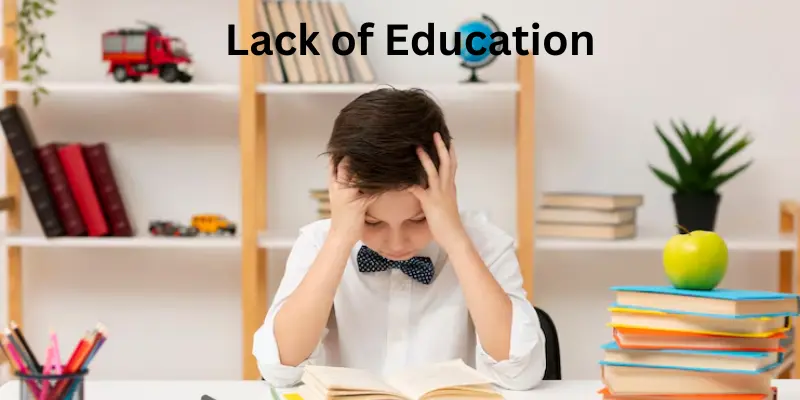
This article explores the concept of lack of education in depth, examining its causes and consequences at all levels—early childhood, primary, secondary, higher education, and adult education. It also highlights social, economic, and cultural dimensions of the problem, emphasizing why addressing educational gaps is essential for sustainable development and human well-being. The article Education in the 26th Century is very informative regarding education.
What is the Lack of Education
Lack of education does not simply mean illiteracy or the inability to read and write. It encompasses limited access to learning resources, poor-quality teaching, inadequate infrastructure, lack of trained educators, and social barriers that prevent individuals from completing their education. In many cases, people may attend school but still fail to acquire essential skills such as critical thinking, communication, and problem-solving. Thus, lack of education exists on a spectrum, ranging from complete exclusion from schooling to partial or ineffective learning experiences.
Several factors contribute to this problem, including poverty, gender inequality, geographic isolation, political instability, cultural norms, and insufficient government investment. These factors often overlap, creating cycles of disadvantage that are difficult to break without targeted intervention.
Lack of Education at the Early Childhood Level
Early childhood education lays the foundation for lifelong learning. It includes learning experiences from birth to around eight years of age, when children develop cognitive, emotional, and social skills. A lack of education at this level can have long-term consequences that extend into adulthood.
Causes
Many families cannot afford early childhood education programs or lack access to childcare centers, especially in rural or underdeveloped areas. Parents with limited education themselves may not be aware of the importance of early learning. Additionally, inadequate healthcare and nutrition can hinder children’s ability to learn during their formative years.
Consequences
Children who miss out on early education often start primary school at a disadvantage. They may struggle with basic language, numeracy, and social interaction skills. This early gap can widen over time, increasing the risk of poor academic performance, grade repetition, and early dropout. The lack of early education also affects emotional development, making it harder for children to adapt to structured learning environments.
Lack of Education at the Primary Level
Primary education is crucial for developing basic literacy, numeracy, and life skills. It is often considered the most fundamental stage of formal education.
Causes
At the primary level, lack of education is often caused by poverty, child labor, armed conflict, and inadequate school infrastructure. In some regions, children must travel long distances to reach schools, discouraging regular attendance. Gender discrimination can also play a role, with girls being kept out of school due to cultural norms or household responsibilities.
Consequences
Children who do not receive proper primary education may remain illiterate or semi-literate, limiting their ability to participate fully in society. This lack of basic education restricts access to further learning and employment opportunities. It also affects health awareness, as individuals may struggle to understand medical instructions, public health information, or legal rights.
Lack of Education at the Secondary Level
Secondary education builds upon primary learning and prepares students for higher education, vocational training, or employment. It is a critical stage for developing specialized knowledge and personal identity.
Causes
Financial constraints are a major barrier at this level, as secondary education often involves higher costs for tuition, uniforms, transportation, and materials. Social pressures, early marriage, and the need to support family income can also lead to high dropout rates. In some areas, schools lack qualified teachers, updated curricula, or safe learning environments.
Consequences
A lack of secondary education limits career prospects and earning potential. Individuals without this level of education are more likely to work in low-skilled, low-paying jobs with little job security. Socially, they may have limited civic participation and reduced confidence in expressing opinions or engaging in community decision-making.
Lack of Education at the Higher Education Level
Higher education includes universities, colleges, and other institutions offering advanced academic or professional training. While often seen as optional, access to higher education plays a vital role in innovation, leadership, and economic growth.
Causes
Barriers to higher education include high tuition fees, limited availability of institutions, competitive admission processes, and lack of financial aid. Students from disadvantaged backgrounds may lack academic preparation or guidance to pursue higher studies. Political instability and brain drain can further weaken higher education systems in developing regions.
Consequences
The lack of higher education reduces the number of skilled professionals such as doctors, engineers, researchers, and educators. This shortage can slow national development and increase reliance on external expertise. On an individual level, limited access to higher education restricts social mobility and reinforces existing inequalities.
Lack of Education in Adult and Continuing Education
Education does not end with formal schooling. Adult education and lifelong learning are essential for adapting to changing job markets and technological advancements.
Causes
Adults may lack time, financial resources, or access to continuing education programs. In some societies, there is a stigma around adult learning, especially for older individuals or women. Limited government support and inadequate community learning centers also contribute to this issue.
Consequences
Adults without access to ongoing education may struggle to keep up with new technologies, workplace requirements, and societal changes. This can lead to unemployment, underemployment, and social exclusion. The lack of adult education also affects parenting, as parents with limited learning opportunities may be less able to support their children’s education.
Social Consequences of Lack of Education
The lack of education has profound social implications. It is closely linked to higher rates of poverty, crime, and social inequality. Communities with low education levels often experience limited access to healthcare, poor living conditions, and reduced political representation. Education also plays a key role in promoting tolerance and understanding; without it, societies may be more vulnerable to misinformation, prejudice, and conflict.
Economic Consequences of Lack of Education
From an economic perspective, lack of education reduces productivity and limits economic growth. A poorly educated workforce is less adaptable and innovative, making it harder for economies to compete globally. Individuals with limited education typically earn lower incomes, which reduces consumer spending and tax revenues. This creates a cycle in which governments have fewer resources to invest in education and social services.
Cultural and Gender Dimensions of Lack of Education
Cultural norms and gender roles significantly influence access to education. In many societies, girls and women face barriers such as early marriage, domestic responsibilities, and safety concerns. Lack of education among women has far-reaching consequences, affecting family health, child education, and community development. Educated women are more likely to participate in the workforce, make informed health decisions, and advocate for their rights.
Addressing the Lack of Education
Solving the problem of lack of education requires coordinated efforts at local, national, and global levels. Governments must invest in inclusive, high-quality education systems, ensuring access from early childhood through adulthood. Policies should address financial barriers, improve teacher training, and promote gender equality. Community involvement, public awareness, and the use of technology can also play important roles in expanding educational opportunities.
Global Education Statistics on Lack of Education
Here are the most recent, internationally recognized figures on lack of education and learning gaps:
Children and Youth Out of School
- 251 million children and youth are currently not in school worldwide.
- Enrollment gains have been slow; the number of out-of-school youth has only decreased marginally since 2015.
Learning and Skills Gaps
- Approximately 57% of children lack basic literacy or numeracy skills — a core indicator of the learning crisis.
- Global secondary school completion remains limited, with many young people leaving without credentials.
Regional Disparities
- In low-income countries, about 33% of school-aged children are out of school.
- By contrast, high-income countries have far lower exclusion rates (around 3%).
Educational Attainment
- Educational attainment varies widely by region. In many sub-Saharan African countries, less than one-third of adults have completed primary education.
Higher Levels Still Growing
- While global tertiary enrollment is increasing, only a minority of adults worldwide complete higher education, with marked inequality between regions.
Achievement Statistics on Global Education
Progress in Enrollment
- Since 2015, over 110 million more children, adolescents, and youth have enrolled in school.
- 40 million more young people are completing secondary school compared to 2015.
Completion and Qualification Gaps
- Despite progress, 650 million students globally leave school without a secondary education certificate, limiting access to decent employment and further study.
Tertiary Education
- Tertiary (university), gross enrollment has risen in the last decade in many regions but remains unequal overall.
Adult Participation in Lifelong Learning
- Only about 3% of adults worldwide participate in formal education and training annually, indicating limited opportunities for skills upgrading.
Key Takeaways
- Lack of education is both about access and learning quality.
- Hundreds of millions of children and youth remain excluded from formal education systems.
- Even enrolled students often fail to achieve essential skills.
- Progress has been made, but achievement and inclusion gaps persist, especially in low-income regions.
- Effective policy actions and expanded financing are critical to meet education goals by 2030.
FAQs on Lack of Education
1. What does “lack of education” mean?
Lack of education refers not only to not attending school but also to insufficient quality learning that fails to equip people with fundamental knowledge and skills. It includes:
- Being out of school at any level (primary, secondary, tertiary)
- Poor learning outcomes even for enrolled students
- Low literacy, numeracy and critical thinking skills
Lack of education affects individuals’ ability to participate fully in economic, civic, and social life.
2. How many children and youth are not attending school worldwide?
According to UNESCO’s Global Education Monitoring Report, about 251 million children and youth worldwide are out of school — meaning they are not enrolled in primary, lower secondary, or upper secondary education. This number has barely declined despite global policy efforts, showing persistent educational exclusion.
3. What proportion of children lack basic learning skills?
Global estimates show that about 57% of children worldwide lack minimum proficiency in foundational skills such as basic reading and mathematics, even when they are enrolled in school. This highlights not just access problems but a learning crisis within education systems.
4. Does lack of education affect adults as well as children?
Yes. Millions of adults fail to achieve basic literacy or complete foundational levels of education — leaving them at a disadvantage in employment, civic participation, and personal development. While exact global adult illiteracy figures vary by source and year, significant gaps in educational attainment persist, particularly in low-income regions.
5. Why are millions still out of school despite decades of progress?
Barriers include poverty, gender inequality, conflict, inadequate school funding, weak education systems, and limited infrastructure. In low-income countries, about 33% of school-aged children are out of school, compared to only about 3% in high-income countries.
6. Are there gender inequalities in education exclusion?
Yes — girls often face greater barriers to education in many regions due to social norms, early marriage, safety concerns, and economic pressures, though gender gaps differ by country and sometimes shift over time

Summary
The lack of education is a multifaceted issue that affects individuals at every stage of life. From early childhood to adult learning, educational gaps limit personal development, economic opportunity, and social progress. The causes range from poverty and inequality to cultural norms and inadequate infrastructure, while the consequences include reduced income, poor health outcomes, and weakened societies. Addressing this challenge requires a comprehensive and inclusive approach that recognizes education as a fundamental human right.
Conclusion
Education is more than a pathway to employment; it is a cornerstone of human dignity, empowerment, and sustainable development. The lack of education at any level—early childhood, primary, secondary, higher, or adult—creates long-lasting disadvantages that extend beyond the individual to affect entire communities and nations. By prioritizing education, investing in equitable systems, and promoting lifelong learning, societies can break cycles of poverty and inequality. Addressing the lack of education is not only a moral responsibility but also a strategic necessity for building a more just, informed, and prosperous world.




- Be Respectful
- Stay Relevant
- Stay Positive
- True Feedback
- Encourage Discussion
- Avoid Spamming
- No Fake News
- Don't Copy-Paste
- No Personal Attacks
- Be Respectful
- Stay Relevant
- Stay Positive
- True Feedback
- Encourage Discussion
- Avoid Spamming
- No Fake News
- Don't Copy-Paste
- No Personal Attacks
