Role of Community in Inclusive Education: Importance, Responsibilities, and Examples
Published: 8 Nov 2026
Introduction
Inclusive education is not only the responsibility of schools and teachers. It requires the active participation of families, local organizations, government institutions, community leaders, and society as a whole. Every child deserves an opportunity to learn, participate in school activities, develop relationships, and achieve their potential, regardless of disability, social background, language, economic circumstances, or learning differences.
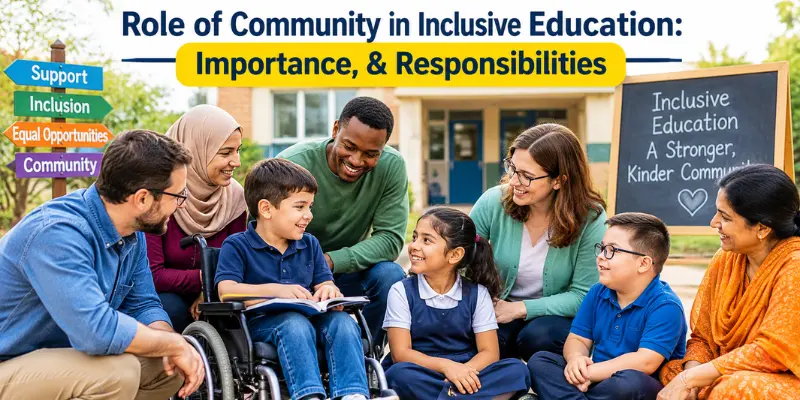
The role of community in inclusive education is important because communities influence how children are accepted, supported, and treated outside the classroom. A school may provide accessible facilities and trained teachers, but students can still experience exclusion if people around them have negative attitudes or do not understand their educational needs.
Community participation helps remove these barriers by promoting awareness, supporting families, improving access to educational resources, and encouraging cooperation between schools and local organizations. According to UNICEF’s guidance on inclusive education, inclusion requires changes at different levels of society, including schools and communities.
In India, community participation is particularly important in rural areas and disadvantaged communities where families may have limited access to educational information, specialist services, transportation, or financial resources. Local organizations, parents, Panchayats, School Management Committees, and volunteers can work together to make education more accessible.
This article explains the importance of community involvement, the responsibilities of different community members, practical examples, challenges, and ways to strengthen community participation in inclusive education.
What Is the Role of Community in Inclusive Education?
The role of community in inclusive education refers to the involvement of people and organizations outside the classroom in supporting equal educational opportunities for all learners. It includes activities that help children access schools, participate in learning, receive necessary support, and develop a sense of belonging.
A community includes parents, relatives, neighbours, local leaders, educational institutions, non-governmental organizations (NGOs), healthcare professionals, social workers, and government representatives. Each group can contribute in different ways according to its resources, knowledge, and responsibilities.
For example, parents can communicate their children’s learning needs to teachers, local organizations can arrange awareness programmes, and community leaders can encourage families to enrol children who face social or economic barriers.
Community engagement in education also involves developing partnerships between schools and local people. These partnerships help schools understand the circumstances of students and identify problems that may affect attendance, participation, and academic progress.
The UNESCO explanation of inclusion in education highlights the importance of family and community involvement alongside accessible infrastructure, appropriate teaching, communication, and assistive technology.
Therefore, community participation is not simply about providing financial assistance to schools. It also means creating a supportive environment where every learner is respected, included, and encouraged to participate.
Why Is Community Involvement Important in Inclusive Education?
Community involvement strengthens the connection between schools, families, and society. It helps educational institutions understand students’ circumstances and respond to barriers that cannot always be addressed through classroom teaching alone.
1. Promotes Equal Educational Opportunities
Some children experience difficulties accessing education because of disability, poverty, social discrimination, language differences, or geographical isolation. Community members can help identify these barriers and encourage families to seek available educational support.
For example, local volunteers may help identify children who are not attending school and guide their families towards appropriate educational services. Community organizations can also support awareness campaigns that explain why every child deserves access to education.
2. Reduces Social Stigma and Discrimination
Negative attitudes towards disability and learning differences can discourage children and families from participating in school activities. Community awareness programmes help people understand that children have different abilities and learning requirements.
When neighbours, parents, religious and community leaders, and local organizations promote acceptance, children are more likely to feel respected and included.
3. Strengthens School-Community Relationships
Strong relationships between schools and communities make it easier to identify educational problems and develop practical solutions. Parents can share information about students’ needs, while teachers can explain school expectations and available support.
This type of school community engagement creates shared responsibility for improving educational experiences.
4. Provides Additional Resources and Support
Communities can contribute learning materials, assistive devices, transportation support, educational guidance, and specialist services. Local organizations may also arrange activities that schools cannot independently provide.
However, community assistance should complement the school’s responsibilities rather than replace government and institutional obligations.
5. Encourages Student Participation and Belonging
Students need opportunities to participate in classroom activities, community events, sports, cultural programmes, and social interactions. Community involvement can create welcoming environments where children develop friendships and confidence.
These opportunities help students feel that they are valued members of society.
Major Roles of Community in Inclusive Education
Communities contribute to inclusive education through different activities and partnerships. Their responsibilities extend beyond school admission and include awareness, accessibility, social acceptance, family support, and educational participation.
1. Creating Awareness About Inclusive Education
One of the most important responsibilities of a community is spreading awareness about inclusive education. Some families may not understand the educational rights and learning opportunities available to children with disabilities or other disadvantages.
Community awareness programmes can explain the importance of equal access, respectful behaviour, and participation in mainstream educational activities.
Local organizations, teachers, social workers, and community leaders can arrange:
- Awareness meetings for parents and families.
- Community discussions about disability inclusion.
- Educational campaigns in villages and neighbourhoods.
- Workshops about children’s educational rights.
- School events that celebrate diversity and cooperation.
For example, a local organization may organize a meeting in a village to explain how children with disabilities can receive educational support. Such activities can encourage families to enrol children who might otherwise remain outside the education system.
2. Supporting Children with Disabilities
Children with disabilities may require additional assistance to access educational facilities, learning materials, transportation, and community activities. Communities can help identify these requirements and connect families with appropriate support services.
Local organizations may coordinate with schools, healthcare professionals, and government departments to help families understand available facilities.
Support may include:
- Helping families access disability-related educational services.
- Guiding parents towards appropriate assessment facilities.
- Supporting access to assistive devices.
- Encouraging accessible transportation arrangements.
- Promoting participation in sports and recreational activities.
The Samagra Shiksha Inclusive Education Programme describes support measures in India, including assistive devices, accessible school facilities, special educators, resource rooms, and individualized educational support.
Community members can help families learn about these provisions and understand how to approach the relevant authorities.
3. Reducing Social Stigma and Discrimination
Social stigma is a major obstacle to inclusive education. Children may experience exclusion because of disability, poverty, caste-related discrimination, language differences, or other social circumstances.
Communities can challenge these attitudes by promoting respect, equality, and cooperation.
Parents, community leaders, teachers, and local organizations can encourage people to:
- Treat children with dignity and respect.
- Avoid negative labels and stereotypes.
- Include children in social and educational activities.
- Encourage friendships between children from different backgrounds.
- Report discriminatory behaviour through appropriate channels.
For example, community groups can organize inclusive sports events in which children with different abilities participate together. Such activities help build understanding and reduce social barriers.
4. Promoting Equal Educational Opportunities
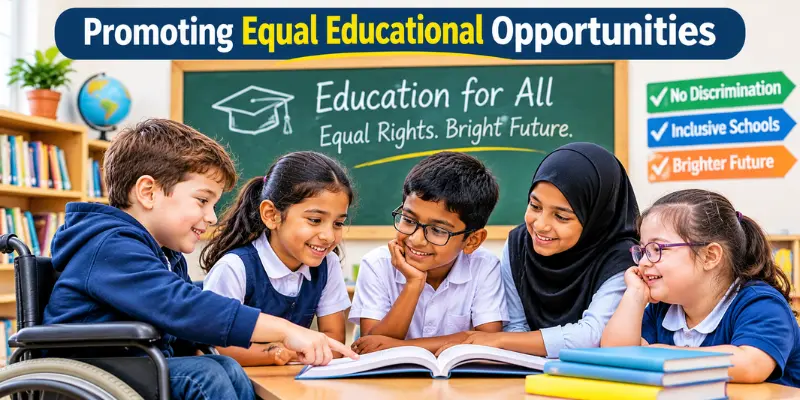
Communities can encourage equal access to education by identifying children who face difficulties attending school. These difficulties may involve financial pressure, transportation, inaccessible buildings, family responsibilities, or a lack of awareness.
Local leaders and organizations can work with schools to understand these problems and identify suitable solutions.
For example, a community organization may help a low-income family obtain information about available scholarships or government educational assistance. Local volunteers may also help families complete admission-related procedures.
Equal educational opportunities mean that children should not be excluded because of circumstances beyond their control. Community participation can help schools identify such circumstances and respond appropriately.
5. Supporting School Infrastructure and Learning Resources
A supportive community can contribute to improving the physical and educational environment of schools. Accessible infrastructure is particularly important for children who have mobility, sensory, or other support requirements.
Community organizations, local authorities, and school committees can work together to identify infrastructure problems and communicate them to responsible departments.
Possible areas of support include:
- Accessible pathways and entrances.
- Suitable classroom arrangements.
- Accessible toilets and drinking water facilities.
- Library and learning materials.
- Sports and recreational equipment.
- Assistive technology and communication resources.
The UNESCO inclusion guidance also identifies physical access, transport, communication, and assistive technology as important considerations in inclusive learning environments.
Community contributions should be planned according to students’ actual needs and should not replace the responsibility of educational authorities to provide accessible facilities.
6. Encouraging Parent and Family Participation
Parents and caregivers understand their children’s interests, strengths, communication preferences, and daily challenges. Their participation can help schools develop more suitable support arrangements.
Families can contribute by attending school meetings, communicating with teachers, sharing relevant observations, and encouraging children to participate in educational activities.
For example, a parent may explain that a child understands instructions more easily when they are supported by pictures or practical demonstrations. This information can help teachers consider appropriate classroom approaches.
Schools should treat families as partners rather than blaming them when students experience difficulties.
The UNICEF Caregivers’ Guide to Inclusive Education provides information to help parents and caregivers understand educational rights, identify barriers, and support children’s participation.
7. Connecting Schools with NGOs and Local Organizations
Non-governmental organizations and community-based organizations can provide valuable support to inclusive education initiatives. They may have experience in disability awareness, child protection, family counselling, educational outreach, and social development.
Schools can collaborate with these organizations to identify local needs and arrange appropriate programmes.
Their contributions may include:
- Organizing educational awareness campaigns.
- Connecting families with support services.
- Arranging workshops and community meetings.
- Supporting children from disadvantaged backgrounds.
- Promoting disability rights and accessibility.
- Helping schools identify available community resources.
For example, an NGO working with children with disabilities may organize an awareness session for teachers, parents, and community members. Such cooperation can improve understanding and encourage more supportive relationships.
8. Supporting Social and Emotional Development
Inclusive education is not limited to academic achievement. Children also need opportunities to develop communication skills, confidence, friendships, and emotional well-being.
Communities can create these opportunities through sports, cultural events, recreational activities, and volunteer programmes.
For example, a neighbourhood sports event that welcomes children with different abilities can help participants develop teamwork, cooperation, and mutual respect.
Community members should ensure that children are not treated as passive recipients of assistance. They should be encouraged to express their interests, make choices, and contribute to activities.
Role of Parents and Families in Inclusive Education
Parents and families are among the most important participants in inclusive education because they understand children’s individual circumstances and can communicate information that may not be visible during classroom activities.
Their involvement helps schools develop stronger relationships with students and respond to their needs more effectively.
Sharing Information About Children’s Needs
Parents can share relevant information about their children’s strengths, learning preferences, communication methods, health-related educational requirements, and daily challenges. This information can help teachers understand how to support individual learners.
Maintaining Communication with Teachers
Regular communication helps families and teachers discuss attendance, participation, learning progress, friendships, and difficulties. Early communication may also help identify problems before they become serious.
Encouraging Learning at Home
Families can support children’s education through reading activities, manageable study routines, communication practice, and encouragement. The type of support should be appropriate to each child’s age, interests, and abilities.
Promoting Independence and Confidence
Parents should encourage children to develop independence instead of making every decision on their behalf. Children can be supported in expressing preferences, asking questions, participating in activities, and completing suitable everyday tasks.
Participating in School Activities
Parents can attend meetings, contribute to school events, join School Management Committees where applicable, and share suggestions about improving accessibility and student participation.
For further reading about the wider educational environment, see EducationBeacon’s guide to Inclusive Education: Meaning, Benefits, Principles, and Strategies.
Role of NGOs and Community-Based Organizations
NGOs and community-based organizations can strengthen inclusive education by connecting schools and families with additional resources and services.
In many areas, these organizations have direct experience working with disadvantaged children, families, and people with disabilities. Their knowledge can help educational institutions understand local challenges.
Raising Awareness
NGOs can organize meetings, campaigns, and educational workshops to explain the importance of inclusion and equal educational opportunities.
Providing Family Guidance
Some families may not know where to seek assistance for educational assessments, assistive devices, or other support services. NGOs can help them identify relevant organizations and government facilities.

Supporting Educational Access
Community-based organizations may assist disadvantaged families through learning materials, educational guidance, transportation arrangements, or connections with available assistance programmes.
Training and Capacity Building
Organizations with relevant expertise can coordinate awareness sessions and professional development activities with schools and educational authorities. Training should be provided by qualified professionals when specialist knowledge is required.
Monitoring Community Needs
NGOs can help identify children who are excluded from education, collect community feedback, and communicate concerns to responsible institutions.
However, NGOs should work in partnership with schools, families, and government departments. Their involvement should support children’s rights, protect privacy, and avoid creating unnecessary dependence.
Role of Local Government and Community Leaders
Local government institutions and community leaders can help create an environment where inclusive education receives attention and practical support.
In India, Panchayati Raj Institutions, local authorities, School Management Committees, and other community representatives can contribute to school development and educational awareness.
Supporting School Management Committees
School Management Committees provide an important platform for parents and community representatives to participate in school-related decisions. They can discuss educational facilities, attendance, infrastructure, and student welfare.
Identifying Children Outside the Education System
Local representatives and community workers may help identify children who are not enrolled in school or who regularly miss classes. Families can then be guided towards relevant educational services.
Promoting Accessible Facilities
Local authorities can communicate accessibility concerns to the appropriate departments and support efforts to improve school facilities.
Encouraging Community Participation
Community leaders can organize meetings and encourage parents, volunteers, and local organizations to participate in school improvement activities.
Coordinating Public Services
Inclusive education may require cooperation between education, health, social welfare, and disability support services. Local authorities can help connect schools with relevant departments.
The Government of Assam’s Community Participation Programme explains the role of School Management Committees, parents, civil society organizations, and local authorities in school development and community participation.
School-Community Partnerships in Inclusive Education
School-community partnerships involve cooperation between educational institutions and the people and organizations that support children outside the classroom.
These partnerships help schools understand local circumstances and make better use of available resources.
A successful partnership requires clear responsibilities, regular communication, mutual respect, and shared goals.
Organizing Community Meetings
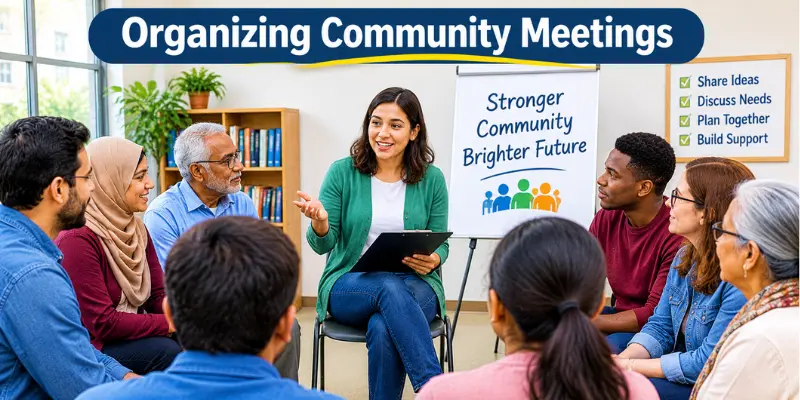
Schools can arrange regular meetings with parents, local representatives, and community organizations. These meetings provide opportunities to discuss student participation, accessibility, attendance, and educational needs.
Developing Volunteer Programmes
Community volunteers can support appropriate school activities, reading programmes, cultural events, and recreational activities. Their responsibilities should be clearly defined, and student safety must remain a priority.
Creating Community Learning Activities
Libraries, educational clubs, sports groups, and local learning centres can provide additional opportunities for children to develop knowledge and social skills.
Sharing Local Resources
Schools and community organizations can identify resources that may support educational activities. These may include accessible learning materials, suitable activity spaces, specialist guidance, and transport support.
Involving Students in Decisions
Students should have opportunities to express their views about school activities and the support they receive. Their feedback can help schools identify barriers that adults may overlook.
Research discussed by the OECD on equity and inclusion in education recognizes the importance of engaging parents, guardians, and wider communities in creating inclusive school environments.
Role of Community in Inclusive Education in India
Community participation is especially important in India because educational access and support can differ considerably between urban and rural areas, as well as between communities with different economic and social circumstances.
India has several educational programmes and legal provisions that support access and inclusion. However, their effectiveness also depends on awareness, coordination, and participation at the local level.
1. Community Participation under Samagra Shiksha
Samagra Shiksha is an integrated school education programme that includes support for children with special needs.
Its inclusive education provisions include identification and assessment, assistive devices, learning materials, special educators, resource rooms, teacher training, and efforts to improve school accessibility.
The official Samagra Shiksha Inclusive Education page provides details of these provisions.
Community members can support these efforts by helping families understand available services and connecting them with appropriate schools and authorities.
2. Role of School Management Committees
School Management Committees provide a formal way for parents and community representatives to participate in school development.
They can discuss infrastructure, school facilities, student attendance, educational quality, and other local issues.
For example, the Samagra Shiksha community participation information from Jharkhand describes the role of School Management Committees and School Development Management Committees in strengthening relationships between schools and communities.
3. Community Awareness in Rural Areas
Rural communities may face challenges involving transportation, limited educational facilities, specialist services, and awareness of children’s educational rights.
Local volunteers, Panchayat representatives, teachers, and NGOs can help identify these problems and guide families towards appropriate support.
4. Cooperation with Local Organizations
Community organizations can help schools arrange awareness campaigns, family meetings, educational outreach, and support programmes for disadvantaged children.
Their involvement is particularly useful when schools need assistance connecting with families or identifying local barriers.
5. Supporting Girls and Disadvantaged Learners
Community participation can help address social and economic barriers that affect girls and children from disadvantaged backgrounds.
Local leaders and parent groups can encourage families to support regular school attendance and challenge attitudes that prevent children from receiving equal educational opportunities.
EducationBeacon also discusses the policy framework in its article How NEP 2020 Supports Inclusive Education.
Challenges to Community Participation in Inclusive Education
Although community involvement provides many benefits, effective participation is not always easy. Several social, economic, and organizational barriers may limit the ability of communities to support inclusive schools.
1. Lack of Awareness
Some community members may have limited knowledge about inclusive education, disability rights, and the learning needs of different students.
Awareness campaigns and regular communication can help address this problem.
2. Negative Social Attitudes
Prejudice, discrimination, and misconceptions about disability can discourage children and families from participating in education.
Schools and communities need to promote respectful attitudes and challenge discriminatory behaviour.
3. Limited Financial Resources
Low-income communities may struggle to contribute learning materials, transportation, or other resources. Community participation should not depend on families having the ability to provide financial assistance.
Government institutions and responsible organizations must continue to provide necessary educational facilities.
4. Weak School-Community Communication
When schools do not communicate regularly with parents and local organizations, opportunities for cooperation may be missed.
Regular meetings, accessible communication methods, and clear responsibilities can improve relationships.
5. Limited Specialist Support
Some communities have limited access to special educators, therapists, counsellors, and other professionals.
Schools should coordinate with relevant government departments and qualified service providers to identify suitable support.
6. Inadequate Accessibility
Inaccessible school buildings, transportation difficulties, and a lack of suitable learning materials can prevent children from participating fully.
Community members can help identify these barriers and communicate them to the authorities responsible for addressing them.
7. Low Participation in School Committees
Some parents and community representatives may not understand their responsibilities or may have limited opportunities to participate in school decisions.
Orientation sessions and capacity-building activities can help improve their involvement.
How Can Communities Improve Inclusive Education?
Communities can improve inclusive education through consistent cooperation, awareness, practical support, and accountability.
The following actions can help strengthen community engagement in schools.
1. Organize Regular Awareness Programmes
Schools and local organizations should arrange awareness sessions about educational rights, disability inclusion, equal opportunities, and respectful behaviour.
Programmes should use language and examples that community members can easily understand.
2. Strengthen Parent-School Communication
Schools should maintain regular communication with parents and caregivers through meetings, accessible messages, and individual discussions where necessary.
Families should be encouraged to share concerns and suggestions without fear of criticism.
3. Support Community Volunteers
Schools can develop suitable volunteer programmes for reading activities, educational events, sports, and recreational activities.
Volunteers should receive clear instructions and follow appropriate safeguarding procedures.
4. Improve School Accessibility
Community representatives can help identify problems involving entrances, pathways, toilets, classrooms, transportation, and learning materials.
These concerns should be reported to the appropriate authorities for action.
5. Encourage NGO Partnerships
Schools can collaborate with relevant NGOs and community-based organizations to arrange educational outreach, family guidance, and awareness programmes.
Partnerships should be based on clearly defined responsibilities and the best interests of students.
6. Include Students in Community Activities
Children should have opportunities to participate in sports, cultural programmes, educational events, and other activities.
Organizers should make reasonable arrangements so that students with different abilities can participate meaningfully.
7. Monitor Progress and Collect Feedback
Communities and schools can review whether children are enrolling, attending regularly, participating in activities, and receiving appropriate support.
Feedback from students and families can help identify areas requiring improvement.
Teachers also play an important role in building these partnerships. Schools can strengthen this work through appropriate professional development, including the skills discussed in EducationBeacon’s guide to Teaching Skills for New Teachers.
Practical Examples of Community Involvement in Inclusive Education
Practical examples help explain how community participation can support students and schools.
Example 1: A Community Awareness Campaign
A village school notices that some families are reluctant to enrol children with disabilities because of misconceptions about their learning abilities.
Teachers, parents, and local volunteers organize an awareness meeting. They discuss educational opportunities, available support, and the importance of equal participation.
The campaign encourages families to approach the school and seek information about admission and educational services.
Example 2: NGO Support for Educational Access
An NGO working with disadvantaged families identifies children who face difficulties attending school.
The organization communicates with parents, school representatives, and local authorities to understand the barriers. Families receive guidance about available educational support and appropriate referral services.
Example 3: School Management Committee Participation
A School Management Committee discusses accessibility problems affecting students with mobility difficulties.
Members document the concerns and communicate them to the relevant authorities. They also review whether students are able to participate in school activities.
Example 4: Inclusive Community Sports Event
A local community organizes a sports and recreational event for children from different backgrounds and abilities.
Activities are planned so that students can participate according to their interests and support requirements. The event encourages cooperation, friendship, and respect.
Example 5: Parent and Teacher Collaboration
Parents explain that their children experience difficulties following certain classroom instructions.
Teachers discuss possible ways to improve communication and learning participation. Families and educators review progress through regular discussions.
These examples show that meaningful community participation does not always require large financial contributions. Cooperation, awareness, communication, and practical action can also make a difference.
Frequently Asked Questions
1. What is the role of community in inclusive education?
The community helps create a supportive environment where all children can access education and participate in school activities. Parents, NGOs, local leaders, volunteers, and community organizations contribute through awareness, educational support, resource mobilization, and school-community partnerships.
2. Why is community involvement important in inclusive education?
Community involvement helps reduce discrimination, improve educational access, support families, and strengthen relationships between schools and society. It also helps identify barriers that may affect children’s attendance and participation.
3. What are the responsibilities of parents in inclusive education?
Parents can communicate their children’s needs to teachers, attend school meetings, support learning at home, encourage independence, and participate in school activities. Their knowledge helps schools understand individual learners more effectively.
4. How do NGOs support inclusive education?
NGOs can arrange awareness campaigns, provide family guidance, support educational outreach, connect families with relevant services, and work with schools to address local challenges.
5. What is the role of School Management Committees in inclusive education?
School Management Committees provide opportunities for parents and community representatives to participate in school development. They can discuss accessibility, facilities, student attendance, and other educational concerns.
6. How can communities reduce discrimination in education?
Communities can organize awareness programmes, promote respectful behaviour, challenge stereotypes, and encourage children from different backgrounds and abilities to participate in educational and social activities.
7. What is community engagement in schools?
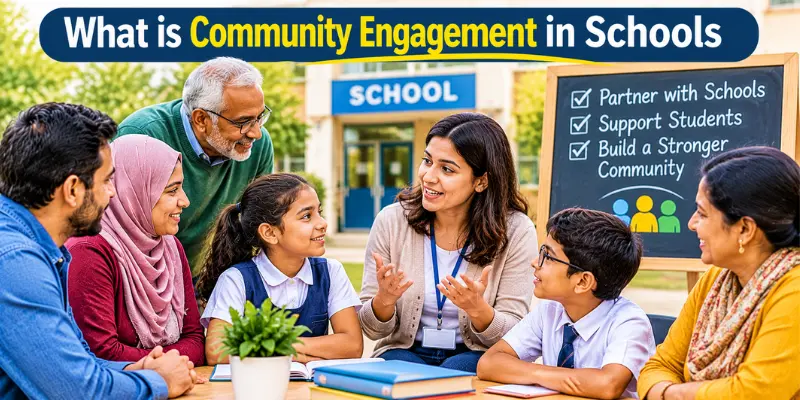
Community engagement in schools refers to cooperation between educational institutions, families, local organizations, and community members to improve students’ educational experiences and school environments.
8. What is the role of community in inclusive education in India?
In India, communities can support inclusive education through School Management Committees, Panchayats, NGOs, parent participation, awareness programmes, and cooperation with government initiatives such as Samagra Shiksha.
Conclusion
The role of community in inclusive education extends beyond supporting school activities. Communities help create an environment where every child is respected, accepted, and provided with opportunities to learn and participate.
Parents, teachers, NGOs, local authorities, community leaders, and volunteers all contribute to this shared responsibility. Their cooperation can improve educational awareness, reduce discrimination, strengthen school-community partnerships, and help families access appropriate support.
In India, programmes such as Samagra Shiksha provide important support for inclusive education, while local participation can help families and schools understand and use available services.
Ultimately, inclusive education becomes stronger when schools and communities work together. A supportive community does not simply encourage children to attend school; it helps ensure that every learner feels welcomed, valued, and able to participate in educational and social life.




- Be Respectful
- Stay Relevant
- Stay Positive
- True Feedback
- Encourage Discussion
- Avoid Spamming
- No Fake News
- Don't Copy-Paste
- No Personal Attacks
- Be Respectful
- Stay Relevant
- Stay Positive
- True Feedback
- Encourage Discussion
- Avoid Spamming
- No Fake News
- Don't Copy-Paste
- No Personal Attacks
