Education for Children: A Complete Guide from Early Childhood to Higher Learning
Published: 12 May 2026
Introduction
Education for children is one of the most powerful tools for personal development, social progress, and national growth. It shapes not only a child’s intellectual abilities but also their emotional strength, moral values, creativity, and sense of responsibility. From the first years of life to advanced academic learning, education plays a critical role in helping children understand the world, develop skills, and prepare for the future. Education in the 26th Century has become an integral and crucial part.
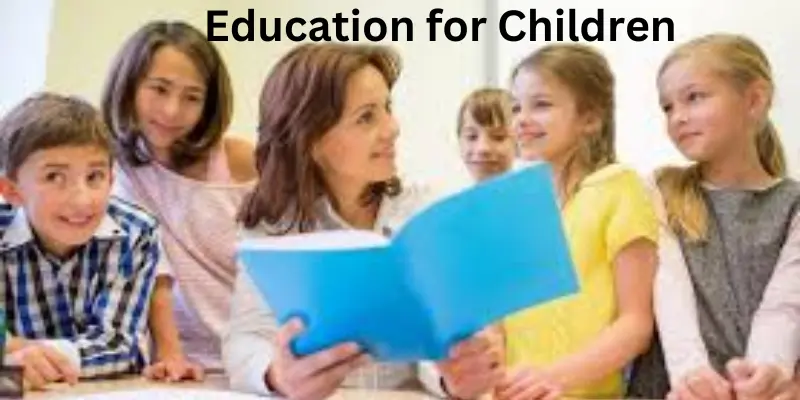
Children’s education is not a single, uniform process. It unfolds through multiple levels, each designed to meet the developmental needs of a particular age group. Early childhood education focuses on foundational skills and social interaction, primary education builds literacy and numeracy, secondary education strengthens critical thinking and subject knowledge, and higher education prepares students for professional and academic careers. Alongside formal education, values, life skills, and character development remain equally important.
This article provides a comprehensive overview of education for children, covering all Levels of Education in full detail. It explains the purpose, structure, curriculum, teaching methods, challenges, and Why Education Is Important for each stage, offering a holistic understanding of how education supports a child’s growth from early years to adulthood.
Understanding Education for Children
Education for children refers to the systematic process of learning that begins in early childhood and continues through adolescence and beyond. It includes formal education (schools, colleges, universities), non-formal education (skill-based learning, extracurricular activities), and informal education (learning at home, in the community, and through daily experiences).
The core goals of children’s education include:
- Developing cognitive and intellectual abilities
- Building emotional intelligence and social skills
- Encouraging creativity and critical thinking
- Instilling moral values and ethical behavior
- Preparing children for future careers and responsible citizenship
Education is not only about academic achievement. It also helps children learn how to communicate, collaborate, solve problems, and adapt to a changing world.
Levels of Education for Children
Children’s education is commonly divided into several levels, each with specific objectives and teaching approaches. These levels are interconnected, and success at one stage supports learning at the next.
1.Early Childhood Education (Birth to 5–6 Years)
Early Childhood Education (ECE) is the foundation of a child’s learning journey. It typically covers the period from birth to around five or six years of age. This stage focuses on overall development rather than formal academics.
Key Areas of Development
- Cognitive Development: Basic thinking, memory, and problem-solving skills
- Language Development: Listening, speaking, vocabulary building
- Physical Development: Motor skills, coordination, and health
- Social and Emotional Development: Sharing, empathy, emotional regulation
Learning Environment
Learning at this stage is play-based and interactive. Children learn best through games, stories, music, art, and hands-on activities. Preschools, kindergartens, and daycare centers play a significant role.
2. Importance of Early Childhood Education
- Builds a strong foundation for future learning
- Improves social skills and emotional stability
- Enhances curiosity and love for learning
- Reduces learning difficulties in later years
Early childhood education sets the tone for lifelong learning and significantly influences a child’s academic and personal success.
3. Primary Education (Ages 6–11)
Primary education is the first stage of formal schooling. It usually begins around the age of six and lasts for five to six years. The main purpose is to develop essential academic skills and basic knowledge.
Core Subjects
- Language and literacy (reading, writing, grammar)
- Mathematics (numbers, basic operations, problem-solving)
- Science (basic concepts of nature and environment)
- Social studies (history, geography, civics)
- Arts, physical education, and moral education
Teaching Methods
Primary education emphasizes structured learning combined with creativity. Teachers use storytelling, visual aids, group activities, and practical exercises to make learning engaging.
Role of Teachers and Parents
Teachers guide academic learning, while parents support homework, discipline, and emotional well-being. Collaboration between school and home is crucial at this stage.
4. Importance of Primary Education
- Builds literacy and numeracy skills
- Develops discipline and learning habits
- Encourages curiosity and confidence
- Forms the academic base for secondary education
Primary education is essential for ensuring that children gain the basic skills needed to succeed in life.
5. Upper Primary / Middle School Education (Ages 11–14)
Upper primary or middle school education acts as a bridge between primary and secondary education. It introduces more advanced concepts while helping children transition into adolescence.
Curriculum Focus
- Advanced language skills
- Algebra and geometry basics
- General science (physics, chemistry, biology foundations)
- History, geography, and civics in greater detail
- Introduction to technology and computer education
Developmental Focus
At this stage, children experience physical, emotional, and psychological changes. Education supports:
- Critical thinking and reasoning
- Self-awareness and identity formation
- Social responsibility and teamwork
6. Importance of Middle School Education
- Prepares students for subject specialization
- Builds analytical and problem-solving skills
- Encourages independence and responsibility
This level plays a crucial role in shaping academic interests and future career paths.
7. Secondary Education (Ages 14–18)
Secondary education is a more structured and academically demanding stage. It typically includes lower secondary and higher secondary education and prepares students for higher education or vocational training.
Subject Specialization
Students begin to specialize in subjects based on interests and abilities, such as:
- Science (physics, chemistry, biology)
- Commerce (economics, accounting, business studies)
- Arts and humanities (history, literature, political science)
- Technical and vocational subjects
Skill Development
- Critical and analytical thinking
- Research and presentation skills
- Time management and self-discipline
- Career awareness and decision-making
Examinations and Assessment
Standardized exams and continuous assessments measure academic performance and readiness for higher education.
8. Importance of Secondary Education
- Prepares students for college or professional training
- Helps identify career interests and strengths
- Develops maturity and independence
Secondary education is a decisive stage that influences future academic and professional choices.
9. Higher Secondary Education (Ages 16–18)
Higher secondary education is often considered the final stage of school education. It focuses on in-depth knowledge and academic rigor.
Academic Streams
- Science Stream: Medicine, engineering, research
- Commerce Stream: Business, finance, management
- Arts/Humanities Stream: Law, education, social sciences
10. Importance
- Acts as a gateway to higher education
- Builds strong subject expertise
- Prepares students for competitive exams and professional courses
This level requires careful guidance to help students make informed decisions about their future.
Higher Education (18 Years and Above)
Higher education includes colleges, universities, and professional institutions. It provides advanced academic knowledge and specialized skills.
Types of Higher Education
- Undergraduate programs
- Postgraduate programs
- Professional courses (medicine, law, engineering)
- Research and doctoral studies
Role in Child Development
Although students are young adults at this stage, higher education is still a continuation of their educational journey. It promotes:
- Independent thinking
- Professional competence
- Research and innovation
- Leadership and global awareness
Higher education equips learners to contribute meaningfully to society and the economy.
Role of Values and Life Skills in Children’s Education
Education for children is incomplete without moral and life skills education. These include:
- Honesty and integrity
- Respect and empathy
- Communication and teamwork
- Problem-solving and decision-making
- Emotional intelligence
Schools and families must work together to nurture well-rounded individuals, not just academically successful students.
Challenges in Children’s Education
Despite its importance, children’s education faces several challenges:
- Lack of access to quality education
- Inequality and poverty
- Overemphasis on exams and rote learning
- Stress and mental health issues
- Limited focus on creativity and life skills
Addressing these challenges requires policy support, teacher training, parental involvement, and community participation.
Future of Education for Children
The landscape of education for children is evolving rapidly due to technological advancements, societal changes, and global challenges. The future of education is expected to focus on personalized learning, digital integration, and holistic development rather than traditional rote memorization.
Key Trends Shaping the Future of Children’s Education
- Technology-Enhanced Learning
- Digital tools like tablets, smart boards, AI-based tutors, and interactive apps make learning more engaging and adaptive.
- Virtual and augmented reality will allow children to experience concepts first-hand, such as historical events or scientific phenomena.
- Personalized Learning
- Education will focus on individual learning styles, strengths, and interests.
- AI-driven analytics can help tailor lessons and provide targeted feedback to improve learning outcomes.
- Focus on Life Skills and Emotional Intelligence
- Skills like creativity, critical thinking, collaboration, problem-solving, and emotional regulation will become core parts of the curriculum.
- Social-emotional learning programs will help children manage stress, empathy, and relationships.
- Hybrid and Blended Learning Models
- Schools will combine traditional classroom learning with online modules.
- Children will gain flexibility to learn at their own pace, while still interacting with peers and teachers.
- Global and Cultural Awareness
- Education will incorporate global perspectives, teaching children to be responsible citizens in an interconnected world.
- Multilingual and multicultural learning will prepare children for global collaboration.
- Inclusive and Equitable Education
- Advances in accessibility and adaptive learning technologies will ensure children of all abilities and backgrounds can receive quality education.
- Education systems will increasingly focus on bridging gaps in equity and opportunity.
- Environmental and Sustainability Education
- Children will be educated about climate change, environmental stewardship, and sustainable practices from an early age.
- Schools may implement hands-on programs like gardening, recycling, and renewable energy projects.
Vision for Future Education
The future of education for children is not just about academic success. It will aim to develop well-rounded individuals equipped to thrive in a complex, technology-driven, and interconnected world. Lifelong learning, adaptability, creativity, and empathy will define success more than test scores alone.
FAQs on Education for Children
1. What is the best age to start formal education for children?
Formal education usually begins at age 5–6 in primary school. However, early childhood education from birth to age 5 is crucial for cognitive, emotional, and social development. Play-based learning at this stage lays the foundation for lifelong learning.
2. How important is early childhood education for children?
Early childhood education is extremely important. It enhances brain development, language skills, social interaction, emotional stability, and curiosity. Children who attend quality early education programs are more likely to perform well academically in later years.
3. What are the challenges children face in education today?
Children face challenges such as lack of access to quality education, overemphasis on exams, inequality, limited creativity in curriculum, and mental health pressures. Addressing these challenges requires innovative teaching, parental support, and inclusive policies.
4. How can parents support their child’s education?
Parents can support education by creating a learning-friendly environment at home, monitoring progress, encouraging curiosity, engaging in reading and discussions, and maintaining strong communication with teachers. Emotional support is as important as academic support.
5. Will technology replace teachers in the future?
Technology will complement, not replace, teachers. Digital tools can personalize learning, provide interactive experiences, and assist with administrative tasks, but teachers remain vital for mentorship, guidance, and emotional support.
6. What skills should children focus on for the future?
Children should focus on a mix of academic knowledge and life skills, including critical thinking, creativity, communication, collaboration, digital literacy, adaptability, and emotional intelligence. These skills prepare children for future careers and responsible citizenship.
Summary
Education for children is a lifelong process that begins in early childhood and continues through higher education. Each level—early childhood, primary, middle school, secondary, higher secondary, and higher education—serves a unique purpose in a child’s development. Together, these stages build academic knowledge, practical skills, emotional strength, and moral values.
A balanced education system focuses not only on textbooks and exams but also on creativity, critical thinking, and character building. When children receive quality education at every level, they are better prepared to face challenges, pursue meaningful careers, and contribute positively to society.
Conclusion
Education for children is the foundation of a better future for individuals and nations alike. It empowers children with knowledge, confidence, and skills while shaping their values and attitudes. Each level of education plays a vital role in supporting growth, from playful learning in early childhood to specialized training in higher education.
To ensure effective education for children, stakeholders—including parents, teachers, schools, and governments—must work together. By investing in quality education at all levels, societies can nurture informed, responsible, and compassionate individuals who are capable of building a brighter and more sustainable future.



- Be Respectful
- Stay Relevant
- Stay Positive
- True Feedback
- Encourage Discussion
- Avoid Spamming
- No Fake News
- Don't Copy-Paste
- No Personal Attacks
- Be Respectful
- Stay Relevant
- Stay Positive
- True Feedback
- Encourage Discussion
- Avoid Spamming
- No Fake News
- Don't Copy-Paste
- No Personal Attacks
