Career Guidance for Students: A Complete Guide to Choosing the Right Career
Published: 8 Mar 2026
Choosing the right career is one of the most important decisions in a student’s life. Career choices influence a person’s lifestyle, financial stability, happiness, and long-term success. However, many students feel confused or pressured when selecting a career path because they lack proper information and guidance.
Career guidance helps students identify their interests, strengths, and abilities while exploring various career opportunities available in the modern world. With the rapid advancement of technology and the changing job market, traditional career paths are evolving, and new professions are emerging every year. Therefore, students must make informed decisions based on their skills, interests, and future trends.
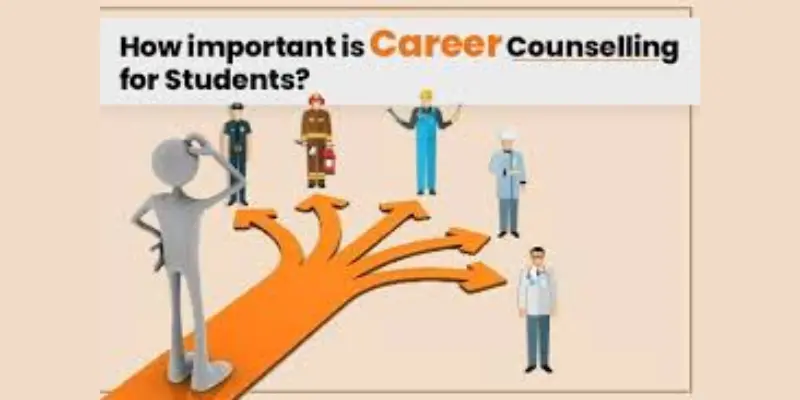
Career guidance for students provides with the right tools to explore different fields, understand educational requirements, and prepare for future opportunities. It also helps them develop important life skills such as decision-making, planning, goal setting, and problem solving.
In this comprehensive guide, we will explore the importance of career guidance for students, the steps to choose the right career, the role of parents and teachers, career options after school, and practical tips to build a successful career.
What is Career Guidance?
Career guidance is the process of helping students understand their abilities, interests, personality, and career opportunities so they can make informed career decisions.
It involves providing information, counseling, and support to help students plan their education and professional paths effectively.
Career guidance may include:
- Career counseling
- Aptitude tests
- Skill assessment
- Information about courses and professions
- Career planning strategies
- Mentorship and advice from experts
The goal of career guidance is to ensure students choose a career that matches their talents and interests while offering good opportunities for growth and success.
Why Career Guidance is Important for Students
Many students select careers based on peer pressure, family expectations, or incomplete information. Without proper guidance, they may choose a career that does not suit their abilities.
Career guidance is important for several reasons.
1. Helps Students Discover Their Strengths
Every student has unique talents and abilities. Career guidance helps students identify their strengths through assessments and self-analysis.
2. Reduces Career Confusion
Students often feel overwhelmed by the many career options available today. Guidance helps them understand the possibilities and choose the best path.
3. Improves Decision-Making Skills
Career counseling teaches students how to evaluate options and make well-informed decisions.
4. Encourages Goal Setting
Career planning motivates students to set short-term and long-term goals for their education and professional life.
5. Prepares Students for the Future Job Market
Career guidance informs students about new and emerging career opportunities, especially in technology and digital industries.
Key Elements of Career Guidance
Effective career guidance includes several important components.
1. Self-Assessment
Students must first understand themselves before choosing a career. Self-assessment helps identify:
- Interests
- Skills
- Personality traits
- Values
- Strengths and weaknesses
2. Career Exploration
Students should explore different professions and industries to understand what each career involves.
This includes learning about:
- Job responsibilities
- Required qualifications
- Salary expectations
- Future growth opportunities
3. Educational Planning
After selecting a career direction, students must choose appropriate courses, colleges, or training programs.
4. Skill Development
Career success depends on developing both academic and practical skills.
Important skills include:
- Communication
- Problem-solving
- Critical thinking
- Leadership
- Digital literacy
Steps for Students to Choose the Right Career
Selecting the right career requires careful planning and research.
Step 1: Identify Your Interests
Students should think about subjects or activities they enjoy the most.
Ask yourself questions such as:
- What subjects do I like in school?
- What activities make me excited?
- What kind of work environment do I prefer?
Step 2: Understand Your Skills and Abilities
Students should evaluate their strengths in different areas such as:
- Analytical thinking
- Creativity
- Communication
- Technical abilities
Aptitude tests and career counseling can help with this process.
Step 3: Research Career Options
Students should gather information about various careers including:
- Job responsibilities
- Education requirements
- Salary potential
- Future demand
This research helps students make realistic decisions.
Step 4: Seek Guidance from Experts
Talking to teachers, career counselors, or professionals in the field can provide valuable insights.
Mentors can explain real-world challenges and opportunities in specific careers.
Step 5: Choose the Right Educational Path
Once a career goal is selected, students should choose the appropriate academic stream, courses, and institutions.
Step 6: Develop Relevant Skills
Students should focus on building skills required for their chosen field through:
- Online courses
- Internships
- Workshops
- Practical projects
Role of Parents in Career Guidance
Parents play an important role in shaping their children’s career decisions.
However, they should support rather than pressure students.
Parents can help by:
- Encouraging exploration of interests
- Providing emotional support
- Discussing career options openly
- Avoiding forcing their own career choices
- Helping students access resources and information
Supportive parenting helps students feel confident and motivated to pursue their goals.
Role of Teachers and Schools
Schools are key environments where students begin thinking about their future careers.
Teachers and educational institutions can help students by:
- Providing career counseling sessions
- Organizing career workshops
- Inviting industry professionals for seminars
- Offering internship opportunities
- Conducting aptitude and personality tests
Schools that provide career guidance programs help students make informed career decisions.
Top Career Fields for Students
Students today have a wide range of career opportunities across different sectors.
1. Engineering and Technology
This field includes careers such as:
- Software engineering
- Artificial intelligence
- Data science
- Robotics engineering
- Cybersecurity
Technology careers are growing rapidly due to digital transformation worldwide.
2. Medical and Healthcare
Healthcare is one of the most respected and stable career sectors.
Popular options include:
- Doctor
- Nurse
- Pharmacist
- Physiotherapist
- Medical researcher
3. Business and Management
Students interested in leadership and entrepreneurship may choose business careers.
Examples include:
- Business management
- Marketing
- Finance
- Entrepreneurship
- Human resource management
4. Creative Arts and Design
Creative students can pursue careers in fields such as:
- Graphic design
- Animation
- Film production
- Fashion design
- Content creation
5. Education and Teaching
Teaching is a meaningful career for students who enjoy helping others learn and grow.
Career options include:
- School teacher
- Professor
- Educational consultant
- Academic researcher
6. Law and Public Services
Students interested in justice and public service may pursue careers such as:
- Lawyer
- Judge
- Civil services
- Police officer
- Public administration
Career Guidance After School
Career guidance becomes especially important after students complete school education.
After 10th Grade
Students usually choose between streams such as:
- Science
- Commerce
- Arts/Humanities
- Vocational education
The choice should depend on interests and career goals.
After 12th Grade
Career Guidance After 12th education, students can choose among many degree programs such as:
- Engineering
- Medicine
- Business administration
- Law
- Arts and humanities
- Computer science
- Design and media
Selecting the right course is crucial for future career success.

Common Challenges Students Face in Career Planning
Students often face several challenges when choosing careers.
1. Lack of Awareness
Many students do not know about new or emerging career opportunities.
2. Peer Pressure
Friends’ choices can influence students to follow careers that may not suit them.
3. Parental Expectations
Sometimes parents expect students to choose traditional professions such as medicine or engineering.
4. Fear of Failure
Students may avoid challenging careers because they fear failure or competition.
Career guidance helps overcome these challenges by providing accurate information and support.
Tips for Successful Career Planning
Students can improve their career planning process by following these practical tips.
1. Start Early
Begin thinking about career options during school years.
2. Explore Multiple Options
Research different fields before making a final decision.
3. Focus on Skill Development
Develop both technical and soft skills.
4. Gain Practical Experience
Internships and volunteering provide valuable real-world experience.
5. Stay Updated with Industry Trends
Understanding future job markets helps students choose promising careers.
6. Set Clear Goals
Define short-term and long-term career objectives.
Importance of Skills in Career Success
In today’s competitive job market, skills are just as important as academic qualifications.
Important skills for students include:
Communication Skills
Ability to express ideas clearly.
Critical Thinking
Ability to analyze problems and find solutions.
Leadership Skills
Ability to manage teams and responsibilities.
Digital Skills
Understanding modern technologies and digital tools.
Adaptability
Ability to learn and adjust to new challenges.
Students who continuously develop these skills are more likely to succeed in their careers.
Future Career Trends Students Should Know
The job market is changing rapidly due to technology and globalization.
Some future career trends include:
- Artificial Intelligence careers
- Data Science and analytics
- Renewable energy jobs
- Cybersecurity professionals
- Digital marketing specialists
- Remote and freelance careers
Students should consider these trends when planning their future careers.
Pros & Cons of Career Guidance
| Pros of Career Guidance | Cons of Career Guidance |
|---|---|
| Helps students understand their interests and strengths | Sometimes guidance may be too general and not personalized |
| Provides information about various career options | Incorrect guidance can lead to poor career decisions |
| Reduces confusion when choosing a career | Professional counseling services may be expensive |
| Encourages goal setting and future planning | Some students rely too much on guidance instead of self-exploration |
| Helps students choose the right educational path | Limited career awareness in some schools or regions |
| Improves decision-making and critical thinking skills | Not all counselors are updated with new career trends |
| Introduces students to modern and emerging careers | Students may feel pressured to follow suggested paths |
| Helps students develop essential career skills | Availability of career guidance programs may be limited |
| Builds confidence in career choices | Guidance alone cannot guarantee career success |
| Helps avoid wrong career choices and wasted time | Students still need personal effort and research |
Career Guidance Process Step-by-Step (SEO Friendly)
Career guidance is a structured process that helps students understand themselves and choose the most suitable career path. Following a step-by-step approach makes career planning easier, more organized, and more effective. Below are the key steps involved in the career guidance process for students.
Step 1: Self-Assessment
The first and most important step in career guidance is understanding yourself. Students must analyze their interests, strengths, personality, and values.
Self-assessment helps answer important questions such as:
- What subjects do I enjoy the most?
- What are my strongest skills?
- What type of work environment suits me?
- What motivates me to succeed?
Students can use tools such as:
- Career aptitude tests
- Personality assessments
- Skill evaluation tests
- Interest surveys
Understanding personal abilities helps students choose careers that match their natural talents.
Step 2: Identify Career Interests
After understanding their strengths and personality, students should identify fields that interest them.
For example:
- Students who enjoy mathematics and technology may consider engineering or data science.
- Students interested in helping people may choose healthcare or teaching.
- Creative students may explore design, media, or arts careers.
This step helps narrow down the list of possible career options.
Step 3: Explore Career Options
Students should research different career opportunities before making any decision. Career exploration helps them understand what each profession involves.
Key factors to research include:
- Job responsibilities
- Required qualifications
- Salary expectations
- Work environment
- Career growth opportunities
Students can explore careers through:
- Online research
- Career websites
- Career fairs
- Industry seminars
- Talking to professionals in the field
This step ensures students understand real career possibilities.
Step 4: Take Career Counseling or Guidance
Professional career counseling can help students gain expert advice. Career counselors use scientific tools and experience to guide students toward suitable careers.
Career counselors may help students with:
- Career aptitude tests
- Personality analysis
- Educational planning
- Career goal setting
Professional guidance helps students avoid common career mistakes.
Step 5: Set Career Goals
Once students identify a potential career path, they should set clear goals.
There are two types of career goals:
Short-Term Goals
These include immediate educational or skill development plans.
Examples:
- Choosing the right school subjects
- Preparing for entrance exams
- Learning specific skills
Long-Term Goals
These focus on future career achievements.
Examples:
- Becoming a doctor or engineer
- Starting a business
- Working in a specific industry
Setting goals gives students a clear direction for their future.
Step 6: Choose the Right Educational Path
Education plays a crucial role in career success. Students must choose the correct courses, colleges, and training programs based on their career goals.
Examples include:
- Science stream for medical or engineering careers
- Commerce stream for business or finance careers
- Arts stream for humanities and social sciences
Students should also consider:
- College reputation
- Course curriculum
- Internship opportunities
- Industry exposure
Selecting the right education path helps students prepare effectively for their chosen profession.
Step 7: Develop Essential Skills
In addition to academic qualifications, students must build practical and professional skills.
Important skills include:
- Communication skills
- Problem-solving skills
- Leadership abilities
- Digital and technical skills
- Time management
- Teamwork
Students can develop these skills through:
- Online courses
- Internships
- Workshops and training programs
- Volunteer work
- Practical projects
Skill development increases employability and career success.
Step 8: Gain Practical Experience
Practical experience helps students understand real-world work environments.
Students can gain experience through:
- Internships
- Part-time jobs
- Freelance projects
- Volunteer work
- Industry training programs
Real-world experience helps students confirm whether a career suits them.
Step 9: Evaluate Career Progress
Career planning is not a one-time decision. Students should regularly evaluate their progress and adjust their plans if necessary.
Evaluation may include:
- Reviewing academic performance
- Assessing skill development
- Reconsidering career goals
- Adapting to new opportunities
Regular evaluation helps students stay on track and make improvements.
Step 10: Continuous Learning and Career Growth
The final step in career guidance is continuous learning. The modern job market changes rapidly, and students must stay updated with new skills and knowledge.
Ways to continue learning include:
- Advanced education and certifications
- Professional training programs
- Industry workshops and seminars
- Networking with professionals
Continuous learning ensures long-term career success and adaptability.
Final Thought on the Career Guidance Process
The career guidance process helps students make informed decisions about their future. By following a systematic step-by-step approach—self-assessment, career exploration, education planning, and skill development—students can confidently choose careers that align with their interests and abilities.
A well-planned career path not only leads to professional success but also helps students achieve personal satisfaction and long-term growth.
FAQs for “Career Guidance for Students”
1. What is career guidance for students?
Career guidance for students is the process of helping students understand their interests, skills, and abilities so they can choose the most suitable career path. It includes counseling, career planning, skill assessment, and information about different professions.
2. Why is career guidance important for students?
Career guidance helps students make informed decisions about their future. It reduces confusion, improves decision-making, and ensures students choose careers that match their interests and strengths.
3. When should students start career guidance?
Students should start thinking about career guidance during their school years, especially after the 9th or 10th grade. Early planning helps them choose the right subjects and prepare for future opportunities.
4. Who can provide career guidance to students?
Career guidance can be provided by several sources including:
- Career counselors
- Teachers
- Parents
- Mentors
- Educational institutions
- Professional career consultants
5. How can students choose the right career?
Students can choose the right career by:
- Identifying their interests and strengths
- Researching career options
- Taking aptitude or personality tests
- Consulting career experts
- Developing relevant skills
6. What are the best career options for students?
Some popular career options include:
- Engineering
- Medicine
- Data Science
- Business and Management
- Law
- Digital Marketing
- Graphic Design
- Education and Teaching
- Artificial Intelligence
- Cybersecurity
Summary
Career guidance for students is essential for helping them make informed and confident career decisions. It involves self-assessment, career exploration, educational planning, and skill development.
With proper guidance, students can identify their strengths, understand career opportunities, and choose the right educational path. Parents, teachers, and career counselors all play important roles in supporting students during this process.
By exploring various fields, developing essential skills, and staying aware of future job trends, students can build successful and fulfilling careers.

Conclusion
Career guidance plays a vital role in shaping the future of students. In a world filled with numerous career opportunities and rapidly changing industries, students need accurate information and proper support to make the right decisions.
A well-planned career path not only leads to professional success but also contributes to personal satisfaction and long-term happiness. Students should take time to explore their interests, develop valuable skills, and seek advice from experienced mentors.
With the right guidance, dedication, and continuous learning, students can achieve their career goals and create a bright future for themselves.




- Be Respectful
- Stay Relevant
- Stay Positive
- True Feedback
- Encourage Discussion
- Avoid Spamming
- No Fake News
- Don't Copy-Paste
- No Personal Attacks
- Be Respectful
- Stay Relevant
- Stay Positive
- True Feedback
- Encourage Discussion
- Avoid Spamming
- No Fake News
- Don't Copy-Paste
- No Personal Attacks
