Teaching Faculty Meaning: Roles, Responsibilities, Qualifications, and Importance
Published: 10 Mar 2026
Education plays a crucial role in shaping individuals and societies. At the heart of every educational institution are the professionals responsible for delivering knowledge, mentoring students, and guiding academic development. These professionals are commonly referred to as teaching faculty.
The term teaching faculty is widely used in schools, colleges, and universities to describe educators who are responsible for teaching students, designing curriculum, conducting assessments, and supporting academic growth. Teaching faculty members are essential to the success of educational institutions because they act as the bridge between knowledge and learners.
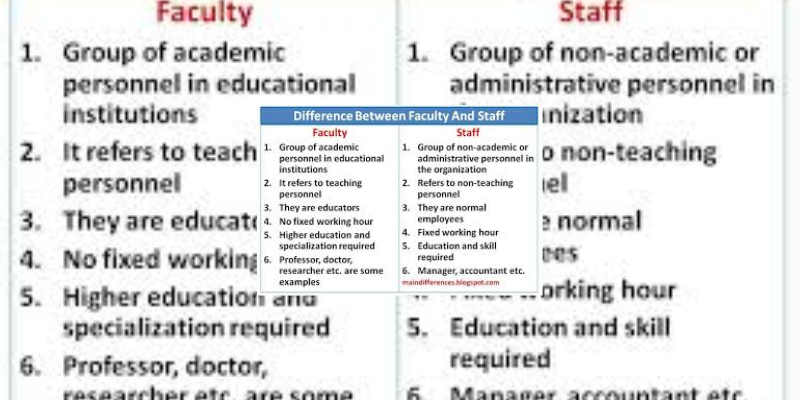
In modern education systems, teaching faculty are not limited to classroom instruction. They also participate in research, curriculum development, student mentoring, academic administration, and institutional development. Their expertise helps shape the quality of education and prepares students for real-world challenges.
Understanding theteaching faculty meaning is important for students, parents, and education professionals because it clarifies the responsibilities and contributions of educators in the academic environment.
This article explains the teaching faculty meaning, their roles, qualifications, responsibilities, types, importance, and how they contribute to the development of education systems worldwide.
History of Teaching Faculty
The concept of teaching faculty has evolved over thousands of years alongside the development of education systems. From ancient scholars teaching small groups of students to modern professors working in global universities, the role of teaching faculty has continuously changed to meet the needs of society.
Understanding the history of teaching faculty helps explain how education systems developed and why teachers and professors hold such an important place in modern institutions.
1. Ancient Education Systems
The earliest form of teaching faculty appeared in ancient civilizations where knowledgeable individuals taught students in informal settings.
In ancient India, scholars known as gurus taught students in the Gurukul system. Students lived with their teachers and received education in subjects like philosophy, mathematics, literature, and religion.
Similarly, in ancient Greece, philosophers such as Socrates, Plato, and Aristotle played roles similar to modern teaching faculty. They taught students through discussion, debate, and mentorship.
Education during this time focused on moral development, philosophy, and intellectual thinking rather than formal degrees or institutions.
2. Teaching Faculty in Ancient Universities
The establishment of early universities created more structured teaching roles.
Some of the oldest universities include:
- University of Bologna (Italy, founded in 1088)
- University of Oxford (England, founded in the 12th century)
- University of Paris (France, founded in the 12th century)
In these institutions, scholars were officially appointed to teach specific subjects such as law, medicine, philosophy, and theology. These scholars were early forms of university faculty members.
Teaching methods during this period often involved lectures, oral discussions, and manuscript study.
3. Medieval Teaching Faculty
During the Middle Ages, universities expanded across Europe, and teaching positions became more formalized.
Faculty members were organized into academic faculties such as:
- Faculty of Arts
- Faculty of Medicine
- Faculty of Law
- Faculty of Theology
These divisions are the origin of the modern term “faculty.”
Professors in medieval universities were respected scholars responsible for teaching, writing manuscripts, and contributing to academic knowledge.
4. Renaissance and Enlightenment Period
During the Renaissance (14th–17th centuries), education expanded significantly due to intellectual and cultural developments.
Teaching faculty began focusing on new subjects such as:
- Science
- Literature
- Mathematics
- Philosophy
- Political studies
The Enlightenment period also encouraged critical thinking and scientific research, which influenced the role of teaching faculty in universities.
Professors were no longer only teachers of traditional knowledge but also contributors to new discoveries and academic research.
5. Development of Modern Universities
In the 19th and 20th centuries, universities became more structured and professional.
Teaching faculty positions were divided into different academic ranks such as:
- Professor
- Associate Professor
- Assistant Professor
- Lecturer
Educational institutions also introduced formal qualifications such as PhD degrees for faculty members.
Faculty responsibilities expanded to include:
- Teaching
- Research
- Academic publications
- Student mentoring
- Institutional administration
This model is still widely used in universities around the world.
6. Teaching Faculty in the Digital Age
In the 21st century, the role of teaching faculty continues to evolve.
Modern faculty members use technology to enhance education through:
- Online learning platforms
- Virtual classrooms
- Digital research tools
- Global academic collaboration
Today’s teaching faculty not only deliver classroom instruction but also act as facilitators, mentors, researchers, and innovators in education.
What is Teaching Faculty?
Teaching faculty refers to a group of educators or academic staff members responsible for teaching and guiding students in an educational institution such as a school, college, or university.
In simple terms:
Teaching faculty = Teachers + Professors + Lecturers + Academic instructors responsible for delivering education.
Teaching faculty members are experts in their subject areas and are responsible for:
- Delivering lectures and lessons
- Preparing course materials
- Evaluating student performance
- Supporting student learning
- Conducting academic research (in higher education)
They play a vital role in ensuring that students gain knowledge, develop critical thinking skills, and achieve academic success.
Definition of Teaching Faculty
Different educational contexts define teaching faculty in slightly different ways.
General Definition:
Teaching faculty refers to academic professionals employed by an educational institution to teach students and support academic programs.
Higher Education Definition:
In universities and colleges, teaching faculty includes professors, associate professors, assistant professors, and lecturers responsible for teaching and research activities.
School-Level Definition:
In schools, teaching faculty refers to teachers and instructors responsible for classroom teaching and student development.
Key Characteristics of Teaching Faculty
Teaching faculty members usually share several important characteristics:
1. Subject Expertise
They have strong knowledge in a specific academic discipline such as mathematics, science, literature, or engineering.
2. Teaching Skills
Effective faculty members can explain complex concepts in simple ways.
3. Student Mentorship
They guide students academically and personally.
4. Curriculum Knowledge
They understand educational standards and course structures.
5. Continuous Learning
Teaching faculty regularly update their knowledge to keep up with modern education trends.
Types of Teaching Faculty
Educational institutions often classify teaching faculty into different categories depending on their roles and experience.
1. Professors
Professors are the most senior teaching faculty members in universities. They usually have extensive experience and contribute to research and academic leadership.
2. Associate Professors
Associate professors have several years of teaching experience and participate in research and curriculum development.
3. Assistant Professors
Assistant professors are entry-level faculty members in universities who focus on teaching and developing research skills.
4. Lecturers
Lecturers mainly focus on teaching courses and delivering lectures.
5. School Teachers
In schools, teaching faculty includes primary teachers, secondary teachers, and subject specialists.
Responsibilities of Teaching Faculty
Teaching faculty members perform multiple responsibilities in an educational institution.
1. Classroom Teaching
The primary responsibility is delivering lectures and conducting classroom instruction.
They explain concepts, encourage discussion, and help students understand subjects effectively.
2. Curriculum Development
Faculty members contribute to designing and updating course syllabi to ensure relevant and updated content.
3. Student Assessment
They evaluate student performance through:
- Exams
- Assignments
- Projects
- Presentations

4. Student Mentoring
Teaching faculty guide students regarding:
- Academic progress
- Career planning
- Personal development
5. Research and Publications
In higher education institutions, faculty members conduct research and publish academic papers.
6. Academic Administration
Faculty may also participate in committees and administrative roles within the institution.
Qualifications Required for Teaching Faculty
To become a teaching faculty member, individuals must meet certain educational and professional requirements.
School Teaching Faculty
Common qualifications include:
- Bachelor’s degree
- Bachelor of Education (B.Ed)
- Teacher training certification
College Teaching Faculty
Typical requirements include:
- Master’s degree in the subject
- Teaching eligibility tests
- Teaching experience
University Teaching Faculty
Higher qualifications are required such as:
- Master’s degree
- PhD or doctoral degree
- Research publications
In many countries, candidates must also pass national eligibility tests for academic teaching positions.
Skills Required for Teaching Faculty
Successful teaching faculty members possess various professional skills.
Communication Skills
They must explain ideas clearly to students.
Leadership Skills
They guide students and sometimes manage academic teams.
Critical Thinking
Faculty members encourage analytical thinking among students.
Time Management
They manage lectures, research, and administrative duties effectively.
Technological Skills
Modern teaching requires knowledge of digital tools and online learning platforms.
Importance of Teaching Faculty in Education
Teaching faculty are the backbone of any educational institution.
1. Knowledge Transfer
They deliver knowledge from academic fields to students.
2. Student Development
Faculty members help develop intellectual and personal skills.
3. Academic Quality
The quality of teaching faculty determines the quality of education provided by an institution.
4. Research Advancement
University faculty contribute to scientific and academic research.
5. Career Guidance
Teaching faculty guide students in selecting career paths.
Role of Teaching Faculty in Modern Education
Modern education systems expect faculty members to play diverse roles.
Facilitator of Learning
Teachers guide students instead of simply delivering information.
Technology Integrator
Faculty use digital tools such as online learning platforms.
Research Contributor
University faculty produce new knowledge through research.
Mentor and Counselor
They support students emotionally and academically.
Teaching Faculty vs Non-Teaching Faculty
Educational institutions also have non-teaching faculty, which includes administrative and support staff.
| Aspect | Teaching Faculty | Non-Teaching Faculty |
|---|---|---|
| Main Role | Teaching students | Administrative support |
| Examples | Professors, lecturers, teachers | Clerks, administrators |
| Student Interaction | Direct interaction | Limited interaction |
| Academic Role | Curriculum & teaching | Management & operations |
Both groups are essential for the smooth functioning of educational institutions.
Challenges Faced by Teaching Faculty
Despite their importance, teaching faculty face several challenges.
Heavy Workload
Faculty members must balance teaching, grading, research, and administrative tasks.
Technological Changes
Teachers must constantly adapt to new digital learning tools.
Student Diversity
Different learning styles and backgrounds require personalized teaching approaches.
Academic Pressure
In universities, faculty often face pressure to publish research papers and secure funding.
Future of Teaching Faculty
The role of teaching faculty continues to evolve due to technological and educational changes.
Online Education
Faculty members increasingly teach through digital platforms.
Hybrid Learning
Many institutions combine online and in-person teaching.
Artificial Intelligence in Education
Faculty may use AI tools to personalize learning experiences.
Global Collaboration
Academic faculty now collaborate internationally on research and teaching programs.
FAQs on Teaching Faculty
1. What is the meaning of teaching faculty?
Teaching faculty refers to educators employed by schools, colleges, or universities who are responsible for teaching students, preparing course materials, assessing performance, and guiding academic development.
They include teachers, lecturers, assistant professors, associate professors, and professors.
2. What is the difference between teaching faculty and non-teaching faculty?
Teaching faculty are responsible for academic instruction and student learning, while non-teaching faculty handle administrative and support functions such as office management, admissions, and finance.
3. What qualifications are required to become teaching faculty?
The qualifications depend on the education level:
- School teachers: Bachelor’s degree and teaching certification
- College lecturers: Master’s degree in the subject
- University professors: PhD degree and research experience
Some countries also require passing eligibility tests or teaching certifications.
4. What are the main responsibilities of teaching faculty?
Teaching faculty perform several responsibilities, including:
- Delivering lectures
- Preparing curriculum
- Evaluating student performance
- Conducting research
- Mentoring students
- Participating in academic administration
5. Why is teaching faculty important in education?
Teaching faculty are essential because they provide knowledge, develop student skills, guide academic growth, and contribute to research and innovation.
The quality of faculty directly influences the quality of education provided by institutions.
6. What skills are important for teaching faculty?
Successful teaching faculty members require skills such as:
- Communication skills
- Subject expertise
- Classroom management
- Research abilities
- Critical thinking
- Technological knowledge for digital learning
These skills help faculty members teach effectively and support student success.
Summary
Teaching faculty are essential professionals in the education system responsible for delivering knowledge, mentoring students, and supporting academic development. They include teachers, lecturers, professors, and other academic instructors working in schools, colleges, and universities.

Their responsibilities go beyond classroom teaching and include curriculum development, student evaluation, research activities, and institutional participation. Qualified teaching faculty members possess strong subject expertise, communication skills, and dedication to student success.
Educational institutions rely heavily on their teaching faculty to maintain academic quality and foster intellectual growth among students.
Conclusion
Understanding the teaching faculty meaning helps highlight the significant role educators play in the academic world. Teaching faculty are not only responsible for delivering lessons but also for shaping future professionals, leaders, and innovators.
Their work influences students’ academic success, career development, and personal growth. As education systems evolve with technology and global learning trends, the responsibilities of teaching faculty continue to expand.
By investing in qualified and skilled teaching faculty, educational institutions can ensure high-quality education and prepare students for the challenges of the modern world.
In short, teaching faculty members are the foundation of effective education and the driving force behind academic excellence.






- Be Respectful
- Stay Relevant
- Stay Positive
- True Feedback
- Encourage Discussion
- Avoid Spamming
- No Fake News
- Don't Copy-Paste
- No Personal Attacks
- Be Respectful
- Stay Relevant
- Stay Positive
- True Feedback
- Encourage Discussion
- Avoid Spamming
- No Fake News
- Don't Copy-Paste
- No Personal Attacks
