Career Guidance Group: Complete Guide to Career Counseling, Benefits, and Opportunities
Published: 7 Mar 2026
Choosing the right career is one of the most important decisions in a person’s life. Many students feel confused when selecting a career path because they lack proper information, guidance, and support. This is where career guidance group plays an important role. A career guidance helps individuals explore their interests, identify strengths, understand career opportunities, and make informed decisions about their future.
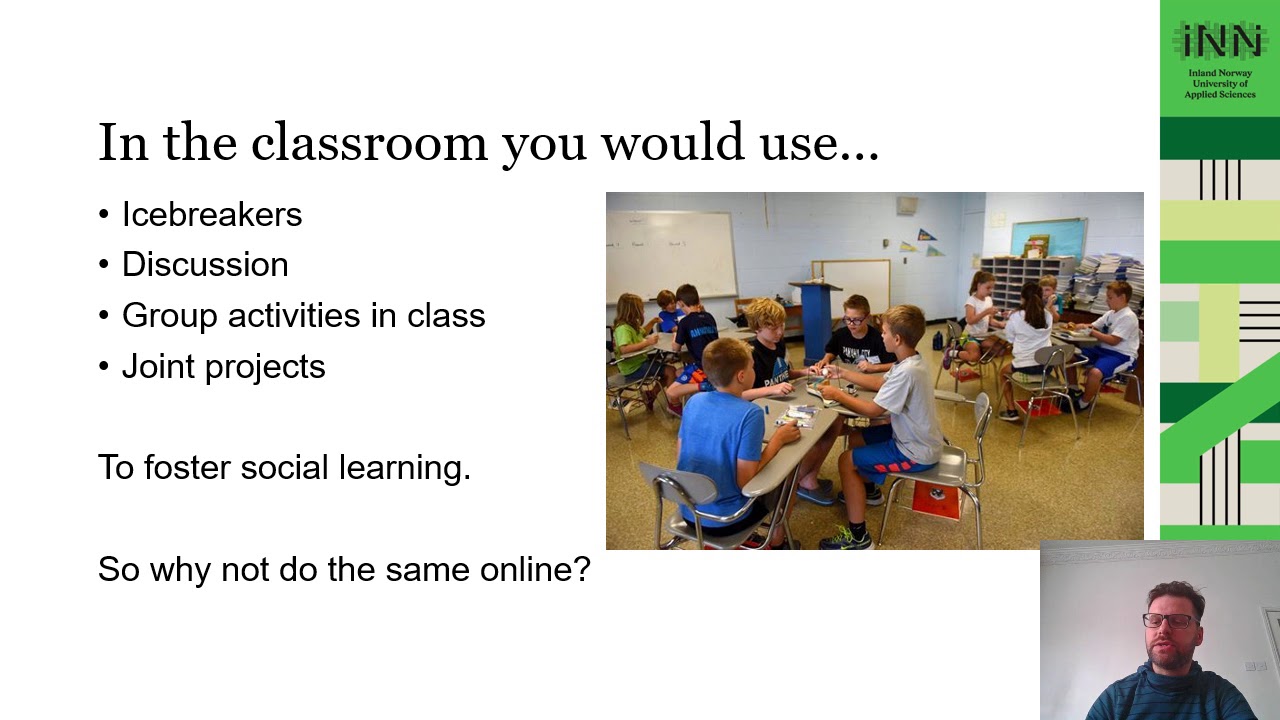
In schools, colleges, and professional training institutions, career guidance groups provide structured support through counseling sessions, workshops, mentoring programs, and career assessments. These groups create a collaborative environment where students can discuss career options, learn from experts, and share experiences with peers.
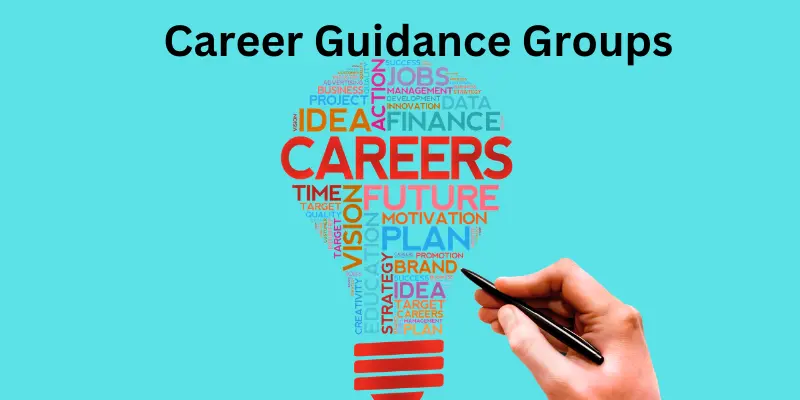
Career guidance groups are not limited to students. Professionals who want to switch careers, improve skills, or plan long-term career growth can also benefit from them. By bringing together individuals with similar career interests, these groups help members learn from each other while receiving professional advice from career counselors.
This article provides a complete guide to career guidance groups, including their meaning, objectives, benefits, activities, structure, and importance in modern education systems.
What is a Career Guidance Group?
A career guidance group is a group of individuals who come together to receive guidance and support related to career planning and development. These groups are usually led by a career counselor, teacher, mentor, or professional advisor.
The main purpose of a career guidance group is to help participants:
- Understand their skills, interests, and personality
- Explore various career opportunities
- Make informed career decisions
- Develop career planning strategies
- Gain knowledge about education and job markets
Career guidance groups often consist of students, job seekers, or professionals who share common career goals. Through group discussions and activities, members gain valuable insights into different career paths.
Objectives of Career Guidance Groups
Career guidance groups are designed to achieve several important goals. These objectives focus on helping individuals understand themselves and the professional world.
1. Self-Understanding
One of the primary goals is to help individuals understand their:
- Interests
- Skills
- Strengths
- Weaknesses
- Personality traits
Self-awareness helps people choose careers that match their abilities and interests.
2. Career Awareness
Career guidance groups introduce members to various career opportunities available in different industries. This helps participants learn about professions they may not have considered before.
3. Decision-Making Skills
Students often struggle with choosing the right career. Career guidance groups teach them how to evaluate options and make informed decisions.
4. Skill Development
These groups help participants develop essential skills such as:
- Communication
- Problem-solving
- Leadership
- Time management
Such skills are important for success in any profession.
5. Career Planning
Career guidance groups help individuals create clear career plans with short-term and long-term goals.
Importance of Career Guidance Groups
Career guidance groups have become increasingly important due to the rapid changes in the job market. New technologies, emerging industries, and global competition make career planning more complex than ever.
Here are some key reasons why career guidance groups are important.
1. Reduces Career Confusion
Students often face confusion after completing school or college. Career guidance groups provide clarity by offering reliable information about career options.
2. Encourages Informed Decisions
Many students choose careers based on peer pressure or family expectations. Career guidance groups encourage individuals to make decisions based on their interests and abilities.
3. Improves Career Readiness
Participants learn practical skills such as resume writing, interview preparation, and professional communication.
4. Builds Confidence
Discussing career goals in a supportive group environment increases confidence and motivation.
5. Promotes Networking
Career guidance groups help individuals connect with mentors, industry experts, and peers who can support their career journey.
Types of Career Guidance Groups
Career guidance groups can be organized in different ways depending on the participants and objectives.
1. School Career Guidance Groups
These groups are designed for school students to help them choose the right subjects and career paths.
Activities may include:
- Career awareness sessions
- Subject selection guidance
- Career counseling workshops
2. College Career Guidance Groups
College students use career guidance groups to explore job opportunities and develop professional skills.
Activities often include:
- Internship guidance
- Resume building
- Industry interaction sessions
3. Professional Career Guidance Groups
These groups help working professionals who want to change careers or improve their professional growth.
Topics may include:
- Career transition
- Leadership development
- Skill upgrading
4. Online Career Guidance Communities
With the growth of digital platforms, many career guidance groups now operate online through:
- Social media groups
- Professional networking platforms
- Online forums and webinars
Activities in Career Guidance Groups
Career guidance groups organize various activities to support career development.
1. Career Counseling Sessions
Professional counselors help participants identify their strengths and career interests.
2. Career Assessment Tests
These tests evaluate:
- Personality traits
- Aptitude
- Interests
Results help individuals choose suitable career options.
3. Workshops and Seminars
Workshops provide knowledge about different industries, job roles, and required skills.
4. Guest Speaker Sessions
Industry professionals share real-life experiences and career advice.
5. Group Discussions
Participants discuss career topics and share ideas, which helps broaden perspectives.
6. Job Search Training
Members learn how to:
- Write resumes
- Prepare for interviews
- Search for job opportunities
Role of Career Counselors in Career Guidance Groups
Career counselors play a central role in career guidance groups. Their responsibilities include guiding participants through the career planning process.
Key roles of a career counselor include:
- Conducting career assessments
- Providing career information
- Helping participants identify goals
- Supporting decision-making
- Offering emotional support and motivation
Professional counselors also help individuals overcome career-related stress and uncertainty.
Benefits of Career Guidance Groups
Career guidance groups offer numerous benefits for students and professionals.
| Benefit | Description |
|---|---|
| Career Clarity | Helps individuals understand suitable career paths |
| Skill Development | Improves communication, leadership, and professional skills |
| Networking Opportunities | Connects members with mentors and professionals |
| Confidence Building | Encourages open discussions about career goals |
| Access to Resources | Provides career tools, workshops, and training |
How to Start a Career Guidance Group
Starting a career guidance group can be highly beneficial for educational institutions and communities.
Step 1: Define the Purpose
Decide the main goal of the group. For example:
- Helping students choose careers
- Supporting job seekers
- Providing professional development
Step 2: Identify the Target Audience
Determine who will participate in the group:
- School students
- College students
- Professionals
Step 3: Recruit Career Experts
Invite career counselors, teachers, or industry experts to guide the group.
Step 4: Organize Regular Meetings
Schedule regular sessions for discussions, workshops, and training.
Step 5: Provide Career Resources
Share useful materials such as:
- Career guides
- Job market information
- Skill development resources
Challenges Faced by Career Guidance Groups
Despite their benefits, career guidance groups also face several challenges.
1. Lack of Professional Counselors
Many institutions do not have trained career counselors.
2. Limited Career Awareness
Students often have limited knowledge about emerging career options.
3. Social Pressure
Family expectations and societal norms may influence career decisions.
4. Rapidly Changing Job Market
New technologies and industries make career planning more complex.
Future of Career Guidance Groups
The future of career guidance groups looks promising as education systems increasingly recognize the importance of career planning.
Several trends are shaping the future of career guidance:
1. Digital Career Guidance
Online platforms allow students to access career guidance from anywhere in the world.
2. AI-Based Career Assessments
Artificial intelligence tools are helping individuals identify suitable careers based on data analysis.
3. Industry Collaboration
Educational institutions are collaborating with companies to provide practical career guidance.
4. Lifelong Career Support
Career guidance is no longer limited to students; professionals now seek guidance throughout their careers.
Tips for Getting the Most Out of a Career Guidance Group
Participants can maximize the benefits of career guidance groups by following these tips.
- Be open to learning about new career options
- Participate actively in discussions
- Ask questions and seek advice
- Set clear career goals
- Apply the knowledge gained from group sessions
Pros & Cons of Career Guidance Groups
| Pros (Advantages) | Explanation | Cons (Disadvantages) | Explanation |
|---|---|---|---|
| Better Career Awareness | Members learn about different career options and industries. | Limited Individual Attention | In group sessions, personal problems may not receive full attention. |
| Peer Learning | Participants learn from the experiences and ideas of others. | Group Pressure | Some individuals may feel uncomfortable sharing their thoughts. |
| Improved Decision Making | Career experts guide members to make informed career choices. | Different Career Interests | Not all members may have similar career goals. |
| Networking Opportunities | Members can connect with mentors, professionals, and peers. | Time Constraints | Scheduling meetings that suit everyone can be difficult. |
| Skill Development | Helps develop communication, leadership, and teamwork skills. | Quality Depends on Counselor | Poor guidance may lead to confusion or wrong decisions. |
| Confidence Building | Discussing goals in a supportive environment boosts confidence. | Lack of Privacy | Some participants may hesitate to discuss personal career issues. |
Frequently Asked Questions (FAQs) About Career Guidance Groups
1. What is a career guidance group?
A career guidance group is a group of individuals who meet regularly to receive advice, information, and support about career planning, education choices, and job opportunities. These groups are usually guided by a career counselor or mentor.
2. Who can join a career guidance group?
Anyone can join a career guidance group, including:
- School students
- College students
- Job seekers
- Working professionals planning a career change
3. What activities are conducted in career guidance groups?
Career guidance groups often conduct activities such as:
- Career counseling sessions
- Career assessment tests
- Workshops and seminars
- Guest lectures by industry experts
- Resume and interview training
4. How do career guidance groups help students?
Career guidance groups help students understand their interests, strengths, and skills. They also provide information about different careers and educational paths, helping students make better decisions about their future.
5. Are career guidance groups only available in schools?
No. Career guidance groups are available in schools, colleges, universities, training institutes, community organizations, and even online platforms.
6. What is the role of a career counselor in a guidance group?
A career counselor guides group members by providing career information, conducting assessments, helping individuals set career goals, and supporting them in making informed decisions.
7. Can career guidance groups help professionals change careers?
Yes. Career guidance groups can help professionals explore new career options, upgrade skills, and create strategies for career transitions.
8. How often should career guidance group sessions be conducted?
Most career guidance groups meet weekly or monthly. Regular sessions help participants stay informed about career opportunities and continuously improve their career planning.
What are the main benefits of joining a career guidance group?
Some key benefits include:
- Better career clarity
- Improved decision-making skills
- Networking opportunities
- Professional skill development
10. Are online career guidance groups effective?
Yes. Online career guidance groups are becoming increasingly popular. They allow participants to access expert advice, webinars, and career resources from anywhere in the world.
Summary
Career guidance groups play an important role in helping individuals navigate the complex world of careers. These groups provide valuable support through counseling, career assessments, workshops, and mentoring.
By bringing together individuals with similar career interests, career guidance groups create a collaborative environment for learning and growth. Participants gain self-awareness, explore career opportunities, and develop skills necessary for professional success.
Educational institutions, organizations, and communities can benefit greatly from establishing career guidance groups. With proper planning and professional support, these groups can help individuals make informed career decisions and build successful futures.
Conclusion
In today’s competitive and rapidly evolving job market, career guidance has become more important than ever. A career guidance group provides individuals with the knowledge, resources, and support they need to choose the right career path.
Whether for students exploring future options or professionals seeking career advancement, these groups offer valuable insights and opportunities for growth. By encouraging collaboration, self-exploration, and informed decision-making, career guidance groups empower individuals to achieve their career goals and build fulfilling professional lives.
Investing in career guidance groups is not just beneficial for individuals but also for society, as it helps create a skilled, motivated, and well-informed workforce ready to meet the challenges of the future.




- Be Respectful
- Stay Relevant
- Stay Positive
- True Feedback
- Encourage Discussion
- Avoid Spamming
- No Fake News
- Don't Copy-Paste
- No Personal Attacks
- Be Respectful
- Stay Relevant
- Stay Positive
- True Feedback
- Encourage Discussion
- Avoid Spamming
- No Fake News
- Don't Copy-Paste
- No Personal Attacks
