Minecraft Education: A Complete Guide Across All Educational Levels
Published: 10 May 2026
Introduction
Over the past decade, digital tools have transformed how teaching and learning happen. Among these tools, Minecraft Education stands out as one of the most innovative and engaging learning platforms ever introduced in classrooms. Originally inspired by the wildly popular sandbox game Minecraft, Minecraft Education is a purpose-built educational edition designed to support learning objectives across subjects, skills, and—most importantly—all levels of education.
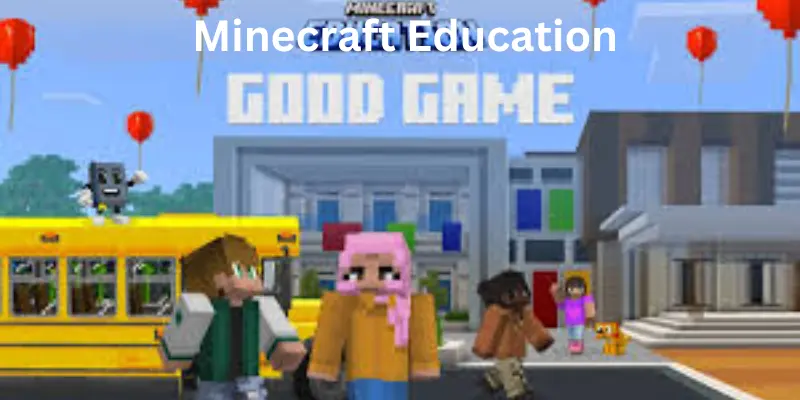
Minecraft Education is not simply a game. It is a learning environment where students explore, create, problem-solve, collaborate, and think critically. Teachers can design structured lessons, align activities with curriculum standards, and assess learning outcomes, all while students remain highly motivated. From early childhood classrooms to universities and professional training environments, Minecraft Education adapts to the needs of learners at every stage.
This article provides a comprehensive overview of Minecraft Education, explaining its features, educational philosophy, and—most importantly—how it is used across all Levels of Education , from early learners to higher education and teacher professional development.
What Is Minecraft Education?
Minecraft Education is an educational platform developed to support teaching and learning through game-based experiences. Unlike the standard version of Minecraft, this edition includes classroom-specific tools such as lesson plans, assessment features, classroom management controls, coding integrations, and collaborative multiplayer environments.
Key features include:
- Immersive 3D worlds for exploration and creation
- Lesson-ready content aligned with global curriculum standards
- Collaboration tools for teamwork and communication
- Coding and computational thinking using block-based and text-based programming
- Assessment and feedback tools for teachers
- Accessibility features supporting diverse learners
The platform supports subjects such as mathematics, science, language arts, history, geography, computer science, social-emotional learning, and even career and technical education.
History of Minecraft Education
Minecraft Education traces its origins to the global success of the original Minecraft game, released in 2011. Educators around the world quickly noticed that students were naturally learning problem-solving, collaboration, and creativity while playing the game. Teachers began experimenting with Minecraft in classrooms to teach subjects such as mathematics, history, science, and computer programming.
Recognizing this organic educational use, Microsoft—after acquiring Mojang in 2014—worked closely with teachers and education experts to develop a dedicated learning-focused version of the game. This led to the official launch of Minecraft Education Edition in 2016.
Unlike the standard version, Minecraft Education was designed specifically for classrooms. It introduced structured lesson plans, classroom controls, assessment tools, and curriculum-aligned content. Over time, it expanded to support coding with block-based and text-based programming, STEM education, social-emotional learning, and inclusive education.
Today, Minecraft Education is used in thousands of schools across more than 100 countries, supporting learners from early childhood to higher education and professional training.
Pros & Cons of Minecraft Education
| Pros | Cons |
|---|---|
| Highly engaging and motivating for students | Requires devices and stable internet |
| Supports creativity and critical thinking | Teacher training is necessary |
| Encourages collaboration and teamwork | Can be distracting without guidance |
| Works across multiple subjects | Not suitable for every lesson type |
| Supports inclusive and differentiated learning | Licensing cost for institutions |
| Enhances problem-solving and STEM skills | Screen time concerns for younger learners |
Minecraft Education for Early Childhood Education (Ages 4–7)
Learning Goals at This Level
At the early childhood level, the focus is on foundational skills rather than academic mastery. These include:
- Motor skill development
- Basic problem-solving
- Creativity and imagination
- Early numeracy and literacy
- Social interaction and emotional awareness
How Minecraft Education Supports Early Learners
Minecraft Education provides a safe, simplified digital environment where young learners can explore without fear of failure. Teachers often use guided worlds with limited tools and clear objectives to ensure age-appropriate engagement.
Children can:
- Build simple structures using blocks, reinforcing shape and color recognition
- Practice counting and sorting through block placement
- Learn storytelling by creating visual narratives
- Develop teamwork skills in small, supervised group activities
The visual and tactile nature of the platform makes abstract concepts more concrete, which is essential for early learners.
Minecraft Education in Elementary School (Grades 1–5)
Educational Focus
Elementary education emphasizes core academic foundations, including:
- Reading and writing
- Basic mathematics
- Introduction to science and social studies
- Collaboration and communication skills
Classroom Applications
In elementary classrooms, Minecraft Education becomes a powerful interdisciplinary tool. Teachers design lessons that integrate multiple subjects into a single project.
Examples include:
- Mathematics: Building arrays to understand multiplication and area
- Language Arts: Writing stories based on student-created worlds
- Science: Exploring habitats, food chains, and simple machines
- Social Studies: Recreating historical villages or geographic regions
Students learn by doing, which significantly increases engagement and retention. The platform also encourages creativity, allowing students to express understanding in ways beyond traditional worksheets or tests.
Minecraft Education in Middle School (Grades 6–8)
Learning Objectives
Middle school students begin transitioning from concrete thinking to more abstract reasoning. Key objectives include:
- Critical thinking and problem-solving
- Deeper subject understanding
- Collaboration and leadership
- Introduction to digital citizenship
Advanced Learning Through Minecraft Education
At this level, Minecraft Education supports more complex projects and challenges. Teachers can introduce:
- STEM-focused lessons, such as engineering challenges and physics simulations
- Coding activities, using block-based coding and introductory text-based languages
- Project-based learning, where students research, design, and present solutions
For example, students may design a sustainable city, applying concepts from science, math, and social studies. They must consider energy sources, environmental impact, and community needs, fostering real-world problem-solving skills.
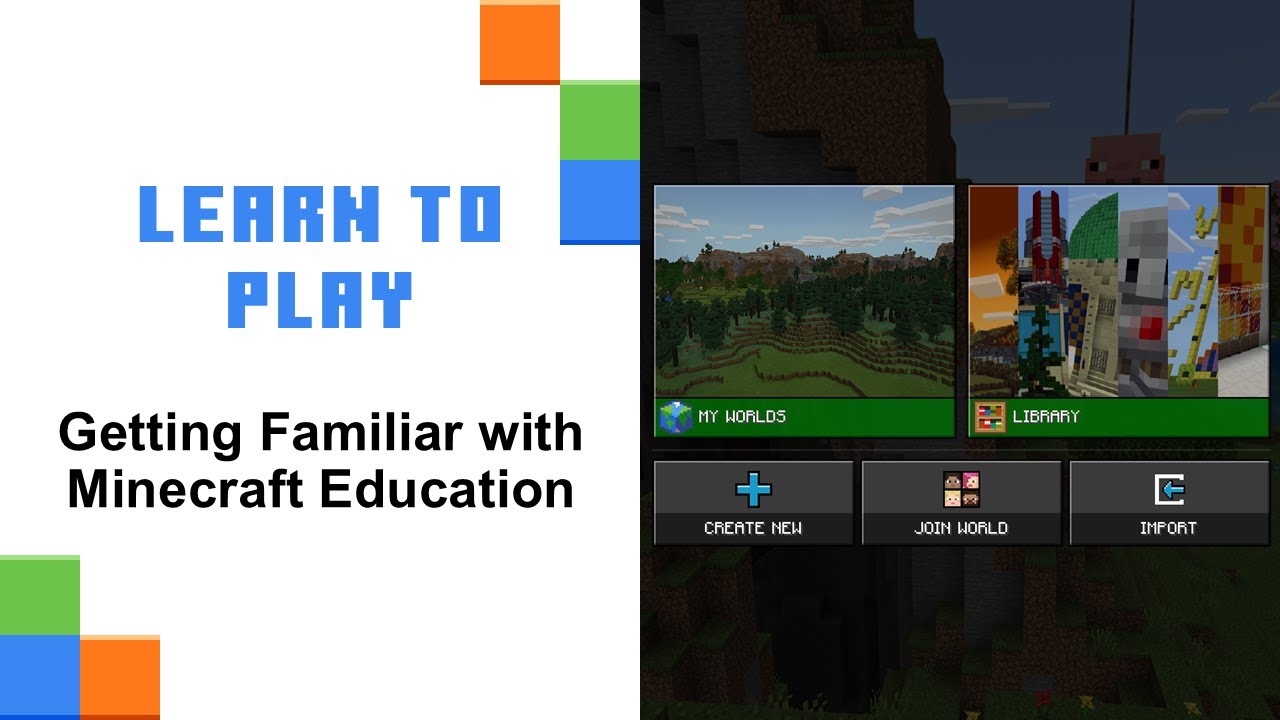
Minecraft Education in High School (Grades 9–12)
Academic and Career Preparation
High school education emphasizes:
- Subject mastery
- College and career readiness
- Independent learning
- Advanced critical thinking
Subject-Specific Applications
Minecraft Education becomes increasingly sophisticated at the high school level:
- Science: Modeling chemical reactions, genetics, or ecosystems
- Mathematics: Exploring geometry, algebraic relationships, and statistics
- History: Reconstructing historical events or civilizations
- Computer Science: Learning coding, algorithms, and logic
Students can also engage in career and technical education (CTE) simulations, such as urban planning, architecture, and game design. These experiences help students explore potential career paths in a hands-on, low-risk environment.
Minecraft Education in Higher Education (Colleges and Universities)
Use in Teacher Training and Academic Courses
In higher education, Minecraft Education is often used in:
- Teacher education programs
- Educational psychology and pedagogy courses
- Architecture and design studies
- Computer science and programming courses
Benefits for Adult Learners
University students benefit from:
- Experiential learning opportunities
- Collaborative research and design projects
- Simulations that mirror real-world systems
For example, pre-service teachers learn how to design lesson plans and manage virtual classrooms using Minecraft Education, preparing them for modern teaching environments.
Minecraft Education in Vocational and Technical Education
Skill-Based Learning
Vocational education focuses on practical skills and job readiness. Minecraft Education supports this by simulating real-world environments such as:
- Construction sites
- Electrical systems
- Urban planning projects
- Environmental management scenarios
Students can practice decision-making, safety procedures, and technical planning without the risks or costs associated with real-world training.
Minecraft Education for Special Education and Inclusive Learning
Accessibility and Differentiation
One of the greatest strengths of Minecraft Education is its adaptability. The platform supports inclusive education through:
- Customizable difficulty levels
- Visual learning supports
- Collaborative activities for social development
- Open-ended tasks that allow multiple ways to demonstrate understanding
Students with learning differences often thrive in Minecraft Education because it reduces pressure, encourages creativity, and allows self-paced exploration.
Minecraft Education for Teacher Professional Development
Supporting Educators
Minecraft Education is not only for students—it is also a powerful tool for teacher growth. Professional development programs use the platform to help educators:
- Learn game-based learning strategies
- Design engaging lesson plans
- Practice classroom management in digital spaces
- Collaborate with educators worldwide
Teachers gain confidence in integrating technology meaningfully into their classrooms.
Benefits of Minecraft Education Across All Levels
Across every educational stage, Minecraft Education offers consistent benefits:
- Increased student engagement
- Improved collaboration and communication
- Development of critical thinking and creativity
- Support for interdisciplinary learning
- Safe environment for experimentation and failure
The platform aligns well with 21st-century learning skills, preparing students for a rapidly changing world.
Challenges and Considerations
While Minecraft Education is powerful, successful implementation requires:
- Teacher training and planning
- Clear learning objectives
- Balanced screen time
- Access to appropriate technology
When used thoughtfully, these challenges are manageable and outweighed by the educational benefits.
FAQs on Minecraft Education
1. What is Minecraft Education used for?
Minecraft Education is used to teach subjects such as math, science, coding, history, geography, language arts, and social-emotional skills through interactive, game-based learning.
2. Is Minecraft Education suitable for all age groups?
Yes. Minecraft Education is designed for learners from early childhood through higher education, with content adapted to different age and skill levels.
3. How is Minecraft Education different from regular Minecraft?
Minecraft Education includes classroom tools, lesson plans, assessment features, and safety controls that are not available in the standard version of Minecraft.
4. Do teachers need technical skills to use Minecraft Education?
Basic computer skills are sufficient. However, training and practice help teachers use the platform more effectively in lesson planning and classroom management.
5. Can Minecraft Education be used for coding?
Yes. It supports block-based coding for beginners and text-based coding (such as Python) for advanced learners, making it ideal for computer science education.
6. Is Minecraft Education effective for real learning?
Yes. Studies and classroom experiences show that it improves engagement, collaboration, problem-solving, and knowledge retention when used with clear learning objectives.
Summary
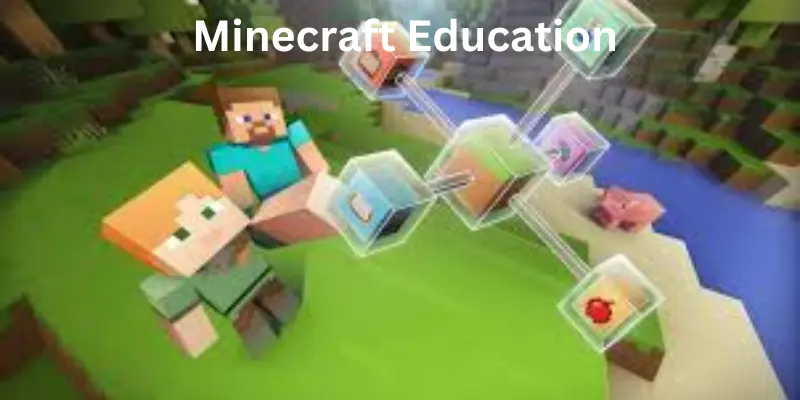
Minecraft Education is a versatile, engaging, and powerful educational platform that supports learning from early childhood through higher education and professional development. By transforming learning into an interactive experience, it helps students develop academic knowledge, creativity, collaboration, and real-world problem-solving skills.
Across all educational levels, Minecraft Education proves that learning does not have to be passive or boring. Instead, it can be immersive, meaningful, and deeply enjoyable.
Conclusion
In an era where education must adapt to digital realities and diverse learner needs, Minecraft Education offers a forward-thinking solution. Its flexibility allows educators to tailor experiences for every age group and learning level, making it one of the most inclusive and impactful educational tools available today.
From young children stacking their first blocks to university students designing complex systems, Minecraft Education demonstrates that learning through play is not only possible—it is powerful. When implemented with purpose and creativity, it has the potential to reshape education across all levels for years to come.



- Be Respectful
- Stay Relevant
- Stay Positive
- True Feedback
- Encourage Discussion
- Avoid Spamming
- No Fake News
- Don't Copy-Paste
- No Personal Attacks
- Be Respectful
- Stay Relevant
- Stay Positive
- True Feedback
- Encourage Discussion
- Avoid Spamming
- No Fake News
- Don't Copy-Paste
- No Personal Attacks
