Importance of Sex Education in Schools: Benefits, Challenges, and Long-Term Impact
Published: 12 May 2026
Introduction
The importance of sex education in schools has become one of the most discussed topics in modern education systems. In today’s digital world, students are exposed to information from social media, television, friends, and the internet at a very early age. Unfortunately, much of this information is incomplete, misleading, or harmful. This is why schools play an important role in providing accurate, age-appropriate, and responsible education about physical, emotional, and social development. The article Importance of Sex Education is very helpful for parents and teachers.
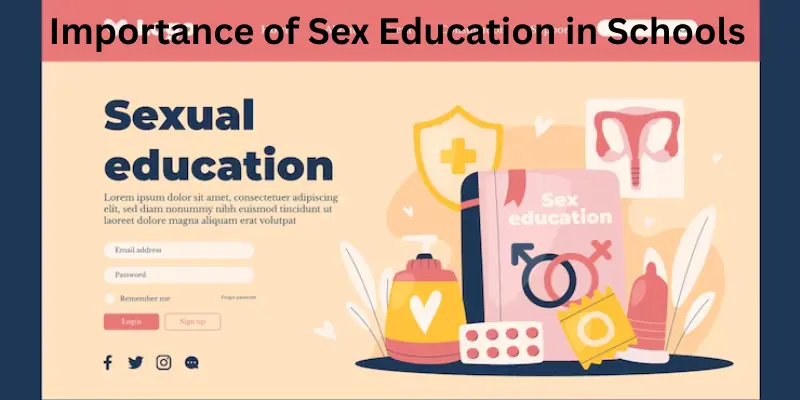
Sex Education is not only about teaching students about reproduction or human anatomy. It also includes lessons about personal safety, healthy relationships, emotional well-being, consent, respect, communication, and responsible behavior. Proper education helps students understand their bodies, emotions, and responsibilities in a safe and supportive environment.
The importance of sex education in schools can also be seen in its ability to reduce misinformation and protect students from risky behaviors. When students receive accurate guidance from trained teachers, they are more likely to make informed decisions and avoid dangerous situations. In many countries, sex education has helped reduce teenage pregnancies, sexually transmitted infections, and cases of abuse.
Schools are educational institutions that prepare students for life, and life education includes understanding health, relationships, and personal safety. Without proper guidance, students may rely on unreliable sources that create confusion and fear. Therefore, introducing structured sex education programs in schools is essential for developing healthy, informed, and responsible individuals.
What Is Sex Education?
Sex education refers to the teaching of topics related to human growth, reproductive health, emotions, relationships, personal boundaries, and safety. It is designed to provide students with accurate information according to their age and maturity level.
The importance of sex education in schools increases because students experience physical and emotional changes during adolescence. They often have questions about their bodies and feelings but may feel uncomfortable discussing them at home. Schools provide a professional and educational environment where students can learn safely and respectfully.
Sex education usually includes:
- Human anatomy and puberty
- Reproductive health
- Emotional development
- Healthy relationships
- Consent and personal boundaries
- Prevention of sexually transmitted infections
- Online safety and cyber awareness
- Respect for self and others
A well-designed program focuses on knowledge, responsibility, and respect rather than encouraging inappropriate behavior.
Importance of Sex Education in Schools for Student Awareness
One major reason for the importance of sex education in schools is student awareness. Many young people enter puberty without understanding the physical and emotional changes happening in their bodies. This confusion can create anxiety, fear, and embarrassment.
Through proper education, students learn:
- Why puberty happens
- How bodies change naturally
- How to maintain personal hygiene
- How emotions develop during adolescence
- How to deal with peer pressure
Awareness helps students become more confident and reduces myths and misunderstandings. Students who understand their bodies are more likely to maintain healthy habits and seek help when necessary.
Role of Sex Education in Preventing Misinformation
In the digital age, students often receive information from social media platforms, websites, and friends. Unfortunately, much of this content is inaccurate or inappropriate. One of the strongest arguments supporting the importance of sex education in schools is the prevention of misinformation.
Without formal education, students may believe myths related to health, relationships, or reproduction. False information can lead to harmful decisions, emotional stress, and unsafe behavior.
Schools provide:
- Scientifically accurate information
- Guidance from trained teachers
- A safe learning environment
- Opportunities for questions and discussion
Reliable education protects students from confusion and helps them separate facts from myths.
Importance of Sex Education in Schools for Health and Hygiene
Health and hygiene are important parts of sex education. During puberty, students experience hormonal and physical changes that require proper care and understanding.
Sex education teaches students:
- Personal hygiene practices
- Menstrual health awareness
- Reproductive health basics
- Importance of cleanliness
- Emotional self-care
For girls, menstrual education reduces shame and confusion. For boys, understanding puberty helps them manage emotional and physical changes responsibly.
The importance of sex education in schools becomes clear when students gain the knowledge needed to maintain healthy lifestyles and develop confidence during adolescence.
Understanding Consent and Personal Boundaries
Teaching consent and boundaries is one of the most valuable aspects of modern sex education. Students need to understand that every person deserves respect, privacy, and safety.
Schools can teach students:
- The meaning of consent
- Respecting personal boundaries
- Identifying inappropriate behavior
- Speaking up against abuse
- Reporting unsafe situations
The importance of sex education in schools is strongly connected to child protection. Students who understand consent are more likely to protect themselves and respect others.
Education about boundaries also helps reduce bullying, harassment, and abusive behavior in schools and society.
Importance of Sex Education in Schools for Emotional Development
Adolescence is not only about physical changes. Students also experience emotional and psychological changes that can affect their confidence and relationships.
Sex education supports emotional development by teaching:
- Emotional intelligence
- Respectful communication
- Relationship skills
- Self-confidence
- Stress management
Many students struggle with identity, peer pressure, and social expectations. Proper education helps them understand that emotional changes are a normal part of growing up.
The importance of sex education in schools includes helping students build healthy emotional habits that support long-term mental well-being.
Reducing Teenage Pregnancies
Teenage pregnancy remains a serious issue in many parts of the world. Studies have shown that comprehensive sex education programs can reduce the rate of teenage pregnancies by increasing awareness and responsibility.
Students who receive proper education are more likely to:
- Understand reproductive health
- Make informed decisions
- Avoid risky situations
- Seek guidance when needed
The importance of sex education in schools is evident in countries where educational programs have improved public health outcomes and reduced early pregnancies.
Education empowers students to think carefully about their future, education, and responsibilities.
Prevention of Sexually Transmitted Infections
Sex education also helps students understand sexually transmitted infections and methods of prevention. Many young people lack basic health knowledge, which increases health risks.
Schools can educate students about:
- Common infections
- Modes of transmission
- Importance of medical care
- Healthy and safe behaviors
- Avoiding harmful practices
The importance of sex education in schools includes protecting public health by encouraging awareness and responsible choices.
Health education creates informed individuals who are more likely to seek professional medical advice when needed.
Building Healthy Relationships
Relationships are an important part of life, but students often lack guidance about healthy communication and respect. Sex education teaches students how to develop respectful and positive relationships.
Students learn:
- Communication skills
- Respect for others
- Trust and honesty
- Conflict resolution
- Emotional support
The importance of sex education in schools includes preparing students for healthy friendships, family relationships, and future partnerships.
Students who understand healthy relationship principles are less likely to engage in toxic or abusive behavior.
Importance of Sex Education in Schools for Online Safety
Today’s students spend a significant amount of time online. Social media and digital platforms expose young people to cyberbullying, inappropriate content, and online exploitation.
Modern sex education programs include online safety topics such as:
- Protecting personal information
- Avoiding online predators
- Understanding digital consent
- Safe social media behavior
- Reporting harmful content
The importance of sex education in schools now extends beyond classrooms into the digital world. Students need guidance to stay safe both offline and online.
Breaking Social Taboos and Stigma
In many societies, discussions about reproductive health and relationships are considered taboo. This silence often creates fear, embarrassment, and misinformation.
School-based education helps normalize healthy discussions by encouraging respectful and educational conversations. Students learn that asking questions about health and development is normal and responsible.
The importance of sex education in schools includes reducing stigma around natural biological processes and emotional development.
Breaking silence allows students to seek help confidently when they face challenges or confusion.
Role of Teachers and Parents in Sex Education
Successful sex education requires cooperation between schools and families. Teachers provide structured educational content, while parents offer emotional guidance and support.
Teachers should:
- Use age-appropriate language
- Create respectful classroom environments
- Encourage open discussion
- Provide accurate information
Parents should:
- Communicate openly with children
- Support educational programs
- Answer questions honestly
- Promote trust and understanding
The importance of sex education in schools increases when parents and teachers work together to guide students responsibly.
Challenges of Implementing Sex Education in Schools
Despite its benefits, some schools face challenges when implementing sex education programs.
Common challenges include:
- Cultural and religious concerns
- Lack of trained teachers
- Limited educational resources
- Misunderstandings about program goals
- Social stigma
Some people mistakenly believe that sex education encourages inappropriate behavior. However, research shows that proper education actually promotes responsibility and informed decision-making.
The importance of sex education in schools outweighs these challenges because informed students are better prepared to protect their health and well-being.
Importance of Age-Appropriate Sex Education
Sex education should be tailored according to the age and maturity level of students. Younger students may learn about body safety and personal boundaries, while older students receive more detailed health education.
Age-appropriate education ensures that:
- Students understand lessons clearly
- Content remains educational and respectful
- Learning supports emotional maturity
- Students feel safe asking questions
The importance of sex education in schools depends on delivering information gradually and responsibly according to student needs.
Global Perspectives on Sex Education
Different countries approach sex education in different ways. Some nations have comprehensive programs integrated into school systems, while others provide limited education.
Countries with effective programs often report:
- Lower teenage pregnancy rates
- Better health awareness
- Reduced sexually transmitted infections
- Improved student confidence
The importance of sex education in schools has gained international recognition because it supports both educational and public health goals.
Global organizations encourage schools to provide scientifically accurate and age-appropriate education to help students develop safely.
Psychological Benefits of Sex Education
Sex education also supports mental and emotional health. Students who understand their development experience less confusion and anxiety.
Psychological benefits include:
- Improved self-esteem
- Reduced fear and embarrassment
- Better emotional understanding
- Increased confidence
- Stronger communication skills
The importance of sex education in schools can be seen in how students become more comfortable discussing health and emotional concerns responsibly.
Education reduces shame and helps students feel supported during important stages of growth.
Importance of Sex Education in Schools for Gender Respect
Sex education teaches students to respect all individuals equally. It encourages fairness, empathy, and understanding between genders.
Students learn:
- Respectful behavior
- Equal rights and dignity
- Importance of consent
- Avoiding discrimination
The importance of sex education in schools includes creating safer and more respectful school environments where students treat each other with kindness and understanding.
Long-Term Impact of Sex Education
The benefits of sex education continue into adulthood. Students who receive proper education often become healthier, more responsible, and more informed adults.
Long-term impacts include:
- Better health decisions
- Stronger relationships
- Increased personal responsibility
- Improved communication skills
- Greater awareness of safety and consent
The importance of sex education in schools is not limited to teenage years. It contributes to lifelong well-being and responsible citizenship.

Importance of Sex Education for Primary School Students
Sex education for primary school students focuses on basic awareness, personal safety, hygiene, emotions, and understanding body boundaries. At an early age, children should learn the difference between safe and unsafe touch, respect for personal space, and how to communicate uncomfortable situations to trusted adults.
The importance of sex education for primary school students lies in protecting children from abuse, reducing confusion about body changes, and helping them develop confidence. Age-appropriate education also teaches children about respect, kindness, and emotional understanding.
Primary-level sex education does not include inappropriate content. Instead, it focuses on safety, hygiene, emotional awareness, and healthy communication.
Sex Education and Cyberbullying Prevention
The rise of digital communication has increased cyberbullying among students. Social media, messaging apps, and online platforms expose children and teenagers to harassment, blackmail, and emotional abuse.
Sex education and cyberbullying prevention are closely connected because students need guidance about online behavior, digital consent, privacy, and respectful communication. Schools can teach students:
- Safe internet practices
- Respectful online interaction
- Dangers of sharing private content
- Reporting online abuse
- Protecting personal information
Proper education helps students recognize harmful behavior and encourages safer digital environments.
Role of Government in Sex Education Policies
Governments play a major role in developing educational policies and curriculum standards. Effective sex education policies ensure that schools provide accurate, age-appropriate, and scientifically correct information.
The role of government in sex education policies includes:
- Designing educational frameworks
- Training teachers
- Providing educational resources
- Ensuring student safety
- Monitoring curriculum quality
Governments can also work with health experts, educators, and communities to create balanced and culturally respectful educational programs.
Importance of Sex Education in Rural Areas
Students in rural areas often have limited access to healthcare information and educational resources. Social taboos and lack of awareness may prevent open discussions about health and safety.
The importance of sex education in rural areas includes:
- Improving health awareness
- Reducing misinformation
- Preventing child abuse and exploitation
- Supporting hygiene education
- Encouraging medical consultation when needed
Educational programs in rural communities help students gain knowledge that may otherwise remain unavailable.
Religious Perspectives on Sex Education
Religious perspectives on sex education vary across cultures and communities. Many religious groups support educational programs that promote morality, responsibility, respect, and personal safety.
Some communities prefer education that aligns with religious values while still teaching students about health and protection. Balanced programs can respect cultural beliefs while providing accurate information about hygiene, safety, and emotional well-being.
Understanding religious perspectives helps schools communicate more effectively with families and communities.
Teacher Training Programs for Sex Education
Teachers are central to successful sex education programs. Without proper training, educators may feel uncomfortable discussing sensitive topics or may lack the skills needed to answer student questions effectively.
Teacher training programs for sex education help educators:
- Use age-appropriate language
- Create safe classroom discussions
- Handle student questions respectfully
- Provide accurate information
- Address emotional concerns professionally
Well-trained teachers improve the quality and effectiveness of school education programs.
Difference Between Traditional and Modern Sex Education
Traditional sex education mainly focused on reproduction and biological processes. Modern sex education includes broader topics such as emotional health, consent, relationships, online safety, and communication skills.
The difference between traditional and modern sex education can be seen in the teaching approach:
Traditional Education:
- Limited health information
- Focus on reproduction only
- Less discussion about emotions and safety
Modern Education:
- Comprehensive awareness
- Focus on emotional and mental health
- Education about consent and digital safety
- Respectful relationship guidance
Modern programs aim to prepare students for real-world social and emotional challenges.
Sex Education and Social Media Influence
Social media strongly influences young people’s understanding of relationships, body image, and behavior. Unfortunately, online content can sometimes spread unrealistic expectations and misinformation.
Sex education and social media influence are connected because schools help students critically evaluate online information. Educational programs teach students:
- Media literacy skills
- Healthy online behavior
- Risks of harmful content
- Responsible digital communication
Students become more capable of identifying misleading or harmful online trends.
Importance of Sex Education for College Students
College students face increased independence, social pressures, and relationship challenges. Sex education for college students supports responsible decision-making and emotional well-being.
The importance of sex education for college students includes:
- Understanding healthy relationships
- Awareness about consent
- Stress and emotional management
- Reproductive health awareness
- Prevention of unsafe behaviors
College-level programs also encourage respect, communication, and personal responsibility.
Community Awareness Programs for Sex Education
Community awareness programs help educate parents, teachers, and students outside school environments. These programs reduce stigma and encourage open discussions about health and safety.
Community awareness programs for sex education may include:
- Workshops
- Health campaigns
- Parent seminars
- Counseling sessions
- Educational events
Community involvement strengthens educational efforts and creates supportive environments for students.
Sex Education and Mental Health Awareness
Mental and emotional health are important parts of student development. Many young people experience anxiety, confusion, or stress during adolescence.
Sex education and mental health awareness work together by helping students understand:
- Emotional changes
- Self-esteem and confidence
- Peer pressure management
- Healthy coping strategies
- Communication skills
Students who receive emotional guidance are often better prepared to handle social and psychological challenges.
Role of Counseling in School Sex Education
School counselors provide emotional support and professional guidance to students facing personal or social concerns.
The role of counseling in school sex education includes:
- Helping students discuss sensitive issues
- Supporting emotional well-being
- Identifying signs of abuse or stress
- Encouraging healthy decision-making
- Providing confidential guidance
Counseling services create safe spaces where students can seek help without fear or embarrassment.
Importance of Inclusive Sex Education
Inclusive sex education ensures that all students feel respected and represented regardless of their background, abilities, or personal experiences.
The importance of inclusive sex education includes:
- Promoting equality and respect
- Preventing discrimination and bullying
- Supporting diverse student needs
- Creating safe learning environments
Inclusive education encourages empathy and understanding among students.
Impact of Sex Education on Society
Sex education affects not only individuals but also society as a whole. Well-informed citizens contribute to healthier communities and safer social environments.
The impact of sex education on society includes:
- Reduced health risks
- Better awareness about abuse prevention
- Improved public health outcomes
- Stronger family communication
- Increased respect and responsibility
Educated communities are often more aware of safety, health, and human rights issues.
Common Myths About Sex Education
Many misconceptions exist about school sex education programs. Some people believe these programs encourage inappropriate behavior, but research shows the opposite.
Common myths about sex education include:
- It encourages early relationships
- It is only about reproduction
- Children are too young to learn safety education
- Parents alone should provide all information
In reality, proper education promotes awareness, safety, and responsible behavior.
Sex Education and Child Abuse Prevention
One of the most important benefits of sex education is child abuse prevention. Children who understand body boundaries and unsafe behavior are more likely to report abuse.
Sex education and child abuse prevention include teaching:
- Safe and unsafe touch
- Personal boundaries
- Trusted adult communication
- Reporting harmful behavior
Early education can help protect children from exploitation and abuse.
Importance of Parent-Teacher Communication in Sex Education
Parent-teacher communication strengthens the effectiveness of sex education programs. Open cooperation ensures that students receive consistent guidance both at school and at home.
The importance of parent-teacher communication in sex education includes:
- Building trust
- Supporting student learning
- Addressing parental concerns
- Encouraging healthy discussions at home
When parents and teachers work together, students benefit from stronger emotional and educational support.
Benefits of Early Awareness About Puberty
Puberty can be confusing and stressful for young students who do not understand physical and emotional changes.
Benefits of early awareness about puberty include:
- Reduced fear and embarrassment
- Better hygiene practices
- Improved confidence
- Emotional understanding
Early education prepares students for changes before they experience them, reducing confusion and anxiety.
Ethical Issues in Sex Education Programs
Some educational programs face ethical concerns related to cultural beliefs, religious values, and age-appropriate content.
Ethical issues in sex education programs may involve:
- Curriculum design
- Respect for family values
- Student privacy
- Appropriate teaching methods
Schools must balance educational needs with cultural sensitivity and community expectations.
Future of Sex Education in Digital Learning Systems
Technology is changing the way students learn. Digital platforms now provide educational videos, online classes, and interactive learning tools.
The future of sex education in digital learning systems may include:
- Online educational platforms
- Interactive learning applications
- Virtual counseling support
- Digital awareness campaigns
Digital learning can improve accessibility and provide students with modern educational resources while maintaining safety and privacy.
Summary
The importance of sex education in schools is closely connected to student health, safety, emotional development, and awareness. In today’s world, students face many challenges related to misinformation, peer pressure, online risks, and emotional confusion. Schools provide a structured environment where students can receive accurate and age-appropriate education.
Sex education teaches much more than biological facts. It promotes healthy relationships, consent, emotional intelligence, personal hygiene, online safety, and respect for others. It also helps reduce teenage pregnancies, sexually transmitted infections, and harmful misconceptions.
Although some communities may hesitate to discuss these topics openly, proper education empowers students with knowledge and confidence. Schools, teachers, and parents all play important roles in guiding young people toward healthy and responsible adulthood.

Conclusion
The importance of sex education in schools cannot be ignored in modern society. Students need accurate information and guidance to understand their bodies, emotions, relationships, and responsibilities. Without proper education, young people may rely on unreliable sources that create confusion and risky behaviors.
Comprehensive and age-appropriate sex education helps students make informed decisions, maintain personal safety, and develop respect for themselves and others. It supports physical health, emotional well-being, and social responsibility.
Schools are responsible for preparing students for real-life challenges, and sex education is an essential part of that preparation. By promoting awareness, respect, and healthy decision-making, schools can help create safer communities and healthier future generations.
FAQs
Why is sex education important in schools?
Sex education is important because it provides students with accurate information about health, safety, relationships, and personal development.
At what age should sex education begin?
Sex education should begin with age-appropriate lessons during early school years and become more detailed as students grow older.
Does sex education encourage inappropriate behavior?
Research shows that proper sex education promotes responsible behavior and informed decision-making rather than encouraging risky activities.
What topics are included in sex education?
Topics include puberty, hygiene, relationships, consent, emotional development, reproductive health, and online safety.
How does sex education help students emotionally?
It reduces confusion, improves confidence, and helps students understand emotional changes during adolescence.
What is the role of parents in sex education?
Parents support learning by communicating openly, answering questions honestly, and guiding children responsibly.






- Be Respectful
- Stay Relevant
- Stay Positive
- True Feedback
- Encourage Discussion
- Avoid Spamming
- No Fake News
- Don't Copy-Paste
- No Personal Attacks
- Be Respectful
- Stay Relevant
- Stay Positive
- True Feedback
- Encourage Discussion
- Avoid Spamming
- No Fake News
- Don't Copy-Paste
- No Personal Attacks
