Step-by-Step Guide to Choosing the Best Learning Course for Your Career
Published: 13 Mar 2026
In today’s rapidly changing world, learning new skills is no longer optional—it is essential. Technology, globalization, and the digital economy are transforming industries faster than ever before. As a result, professionals, students, and job seekers must continuously upgrade their knowledge to remain competitive.
Learning courses have become one of the most effective ways to gain new skills, improve career prospects, and adapt to evolving job markets. From online platforms to university programs, thousands of courses are available in areas such as technology, business, healthcare, marketing, design, and many more. The future of learning courses is very shining
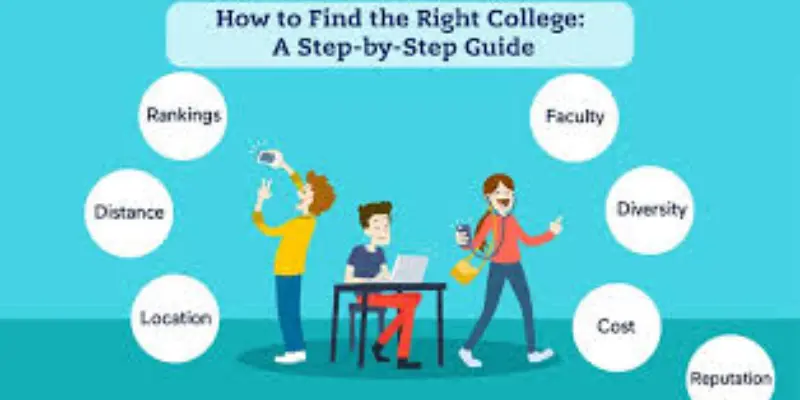
However, with so many options available, choosing the best learning course can be confusing. Many people enroll in courses without proper research, only to realize later that the course does not meet their expectations or career goals.
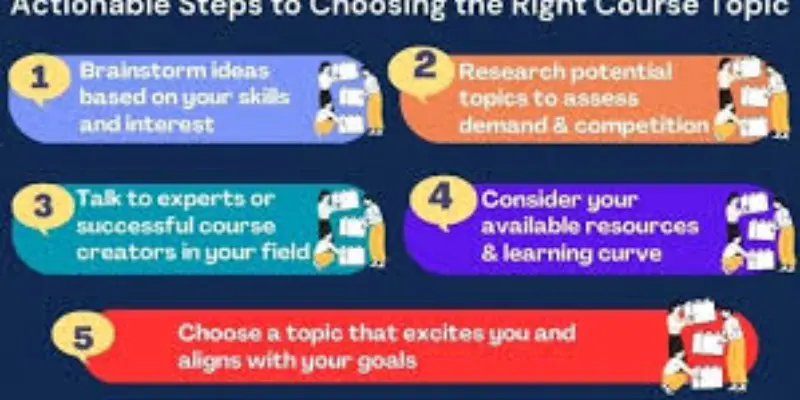
This detailed step-by-step guide to choosing the best learning course will guide how to decide for courses. By following these practical steps, you can select a course that improves your knowledge, supports your career goals, and provides real value.
Why Choosing the Right Learning Course Matters
Selecting the right learning course is important for several reasons. A well-chosen course can enhance your skills, increase job opportunities, and boost confidence.
On the other hand, choosing the wrong course can waste time, money, and energy.
Some key reasons why course selection matters include:
Career Advancement
A good learning course helps you develop industry-relevant skills that employers value. It can lead to promotions, salary increases, or new career opportunities.
Skill Development
Courses provide structured learning that helps you build practical knowledge in a specific field.
Professional Growth
Continuous learning improves problem-solving skills, creativity, and adaptability.
Personal Satisfaction
Learning new things can increase motivation, confidence, and personal achievement.
How to Choose the Best Learning Courses
Step 1: Identify Your Learning Goals
Before choosing any course, it is essential to clearly define your learning goals.
Ask yourself the following questions:
- Why do I want to take this course?
- What skills do I want to learn?
- Will this course help my career?
- Am I learning for personal interest or professional growth?
Your goals will guide you toward the right course.
Examples of Learning Goals
Career Change
Many people take courses to move into a new industry such as data science, cybersecurity, or digital marketing.
Skill Improvement
Professionals often enroll in courses to upgrade existing skills.
Academic Support
Students may choose courses that help them perform better in school or university.
Hobby Learning
Some learners take courses in photography, cooking, music, or art simply for enjoyment.
Clear goals make it easier to find the best learning program.
Step 2: Determine Your Budget
Learning courses come with different price ranges. Some are free, while others may cost hundreds or even thousands of dollars.
Before enrolling, determine how much you can afford.
Types of Course Pricing
Free Courses
Many platforms offer free courses with optional paid certificates.
Affordable Online Courses
These typically cost between $20 and $200.
Professional Certifications
Industry certifications may cost $300 to $2000.
University Programs
Formal programs may cost several thousand dollars.
Tips to Save Money
- Look for discounts or promotions.
- Check scholarship opportunities.
- Compare course prices across platforms.
- Consider free trial options.
Choosing a course within your budget ensures financial comfort while learning.
Step 3: Choose Between Online and Offline Learning
Learning courses are generally available in two formats: online and traditional classroom learning.
Each format has its advantages.
Online Learning
Online courses have become extremely popular due to flexibility.
Benefits include:
- Learn from anywhere
- Flexible schedule
- Affordable options
- Access to global instructors
However, online learning requires strong self-discipline.
Offline Learning
Traditional classroom courses offer direct interaction with instructors and classmates.
Benefits include:
- Structured environment
- Face-to-face discussions
- Hands-on training
- Better networking opportunities
Your lifestyle, schedule, and learning style should determine the format you choose.
Step 4: Research Course Content
The next important step is reviewing the course syllabus or curriculum.
A high-quality learning course should include well-structured modules covering essential topics.
What to Look for in Course Content
Clear learning objectives
Detailed course outline
Practical exercises or projects
Updated industry knowledge
Assignments or assessments
Avoid courses that provide vague or outdated content.
A good course should offer both theory and practical application.
Step 5: Check the Instructor’s Expertise
The instructor plays a major role in the learning experience.
Before enrolling, research the instructor’s qualifications and experience.
Important Instructor Factors
Professional background
Industry experience
Teaching experience
Student feedback or ratings
An instructor with real-world experience can provide practical insights and valuable knowledge.
Step 6: Read Reviews and Student Feedback
One of the easiest ways to evaluate a course is by reading student reviews.
Reviews help you understand:
- Course quality
- Instructor performance
- Content clarity
- Practical usefulness
Where to Find Reviews
Learning platforms
Educational forums
Social media communities
Student testimonials
If a course has consistently positive reviews, it is usually a good sign of quality.
Step 7: Check Certification Value
Many learners choose courses that provide certificates.
However, not all certificates have equal value.
Before enrolling, check whether the certification is recognized in your industry.
Types of Certificates
Course Completion Certificates
Proof that you finished the course.
Professional Certifications
Recognized by industry organizations.
University Certificates
Issued by universities or colleges.
Employer-Recognized Certifications
Highly valued by companies.
A strong certification can improve your resume and increase job opportunities.
Step 8: Evaluate Course Duration and Flexibility
Different courses have different time commitments.
Some may take a few hours, while others may take several months.
Questions to Ask
How long does the course take to complete?
Is the schedule flexible?
Can I learn at my own pace?
Are there deadlines?
Choosing a course that fits your schedule prevents stress and improves learning success.
Step 9: Look for Practical Learning Opportunities
The best learning courses focus on practical skills rather than only theory.
Practical learning helps you apply knowledge in real-world situations.
Examples of Practical Learning
Hands-on projects
Case studies
Industry simulations
Portfolio assignments
Internship opportunities
Courses with practical training provide stronger career benefits.
Step 10: Compare Multiple Courses
Before making a final decision, compare several courses.
Course comparison helps identify the best option based on quality, price, and value.
Course Comparison Table
| Feature | Course A | Course B | Course C |
|---|---|---|---|
| Price | Low | Medium | High |
| Duration | Short | Medium | Long |
| Certification | Basic | Professional | University |
| Instructor Experience | Moderate | High | High |
| Practical Projects | Limited | Good | Excellent |
Comparing courses ensures you choose the best learning opportunity.
Common Mistakes When Choosing a Learning Course
Many learners make mistakes during course selection.
Avoid the following common errors:
Choosing based only on price
Ignoring course reviews
Not checking instructor expertise
Selecting outdated courses
Following trends instead of career goals
Careful research helps avoid these problems.
Benefits of Choosing the Right Learning Course
Selecting the right course offers numerous benefits.
Better Career Opportunities
Industry-relevant courses improve employability.
Higher Salary Potential
Professionals with specialized skills often earn higher salaries.
Improved Confidence
Learning new skills increases self-confidence.
Career Flexibility
Additional skills allow professionals to work in different industries.
Continuous Personal Growth
Learning keeps the mind active and adaptable.
Future Trends in Learning Courses
Learning methods continue to evolve with technology.
Several trends are shaping the future of education.
AI-Powered Learning
Artificial intelligence personalizes learning experiences.
Microlearning
Short courses focused on specific skills are becoming popular.
Virtual Reality Training
VR technology allows immersive learning experiences.
Industry Partnerships
Companies are collaborating with educational platforms to offer job-ready training.
Lifelong Learning Culture
Professionals are increasingly adopting continuous learning throughout their careers.
Top Learning Platforms Comparison Table
| Learning Platform | Best For | Price Range | Certification | Key Features |
|---|---|---|---|---|
| Coursera | University-level courses | Free – $79/month | Yes | Courses from top universities, professional certificates |
| Udemy | Skill-based learning | $10 – $200 | Yes | Large course library, lifetime access |
| edX | Academic & professional learning | Free – $300 | Yes | Courses from global universities |
| LinkedIn Learning | Professional development | $29 – $40/month | Yes | Business, technology, and creative skills |
| Skillshare | Creative skills | $19 – $32/month | Limited | Focus on design, art, and creativity |
| Khan Academy | Students & basic education | Free | No | Excellent for school subjects |
| FutureLearn | Short professional courses | Free – $200 | Yes | Courses from international universities |
This comparison helps learners choose a platform based on their learning goals, budget, and certification needs.
Top 20 Best Learning Courses for Future Careers
Choosing the right course can improve career opportunities and salary potential. Below are some of the most valuable courses for future careers.
- Artificial Intelligence (AI)
- Data Science
- Cybersecurity
- Cloud Computing
- Digital Marketing
- Machine Learning
- Software Development
- Web Development
- Mobile App Development
- Graphic Design
- UX/UI Design
- Business Analytics
- Project Management
- Financial Analysis
- Blockchain Technology
- Internet of Things (IoT)
- Healthcare Management
- Renewable Energy Technology
- Robotics Engineering
- Entrepreneurship and Startup Management
These courses are expected to remain highly valuable in the future job market due to rapid technological advancement.
FAQs on Step-by-Step Guide to Choosing the Best Learning Course
1. How do I choose the best learning course for my career?
To choose the best course, identify your career goals, research course content, check instructor expertise, read student reviews, and compare certifications before enrolling.
2. Are online learning courses better than traditional courses?
Online courses offer flexibility, affordability, and global access to instructors, while traditional courses provide structured learning and direct interaction. The best option depends on your learning style and schedule.
3. What factors should I consider before enrolling in a course?
Important factors include course curriculum, instructor experience, certification value, price, course duration, and student reviews.
4. Do employers recognize online course certificates?
Many employers accept certificates from reputable platforms, especially those offered by universities or recognized organizations.
5. How long does it take to complete a learning course?
Course duration varies widely. Some short courses take a few hours, while professional certifications or specialized programs may take several months.
6. Which learning courses are most in demand today?
Courses related to artificial intelligence, data science, cybersecurity, digital marketing, cloud computing, and software development are currently among the most in-demand skills.
Summary
Choosing the best learning course is an important decision that can significantly impact your personal and professional future. With thousands of options available, learners must carefully evaluate their goals, budget, course content, instructor expertise, and certification value before enrolling.
A well-selected course provides practical knowledge, improves career opportunities, and helps individuals stay competitive in a rapidly changing job market. By following a step-by-step approach—identifying goals, researching course quality, reading reviews, and comparing options—you can ensure that your investment in education delivers real benefits.
Learning should not be rushed or based on trends alone. Instead, it should be a thoughtful process that aligns with your long-term ambitions and personal interests.
Conclusion
The modern world rewards individuals who continuously learn and adapt. Whether you are a student, professional, entrepreneur, or lifelong learner, selecting the right learning course can open doors to new opportunities and personal development.
However, with so many learning options available today, careful decision-making is essential. By following the step-by-step guide outlined in this article—defining goals, researching courses, evaluating instructors, checking certifications, and comparing alternatives—you can confidently choose the best learning course for your needs.
Education is one of the most powerful investments you can make in yourself. When you select the right course, you not only gain knowledge but also develop the skills needed to succeed in an ever-changing world.




- Be Respectful
- Stay Relevant
- Stay Positive
- True Feedback
- Encourage Discussion
- Avoid Spamming
- No Fake News
- Don't Copy-Paste
- No Personal Attacks
- Be Respectful
- Stay Relevant
- Stay Positive
- True Feedback
- Encourage Discussion
- Avoid Spamming
- No Fake News
- Don't Copy-Paste
- No Personal Attacks
