Future of Learning Courses: Trends, Technology, and Global Education Transformation
Published: 12 Mar 2026
Education has always been one of the most powerful tools for personal growth, professional success, and societal development. Over the last few decades, learning methods have transformed dramatically. Traditional classrooms, textbooks, and fixed schedules are gradually being replaced by flexible, technology-driven learning environments. Today, people can learn new skills, complete degrees, or enhance their careers from anywhere in the world using digital platforms.
Learning courses have evolved from basic academic programs to highly specialized, career-focused training programs. Online platforms, universities, professional institutes, and private organizations now offer thousands of courses covering everything from programming and artificial intelligence to healthcare, finance, business, and creative skills.
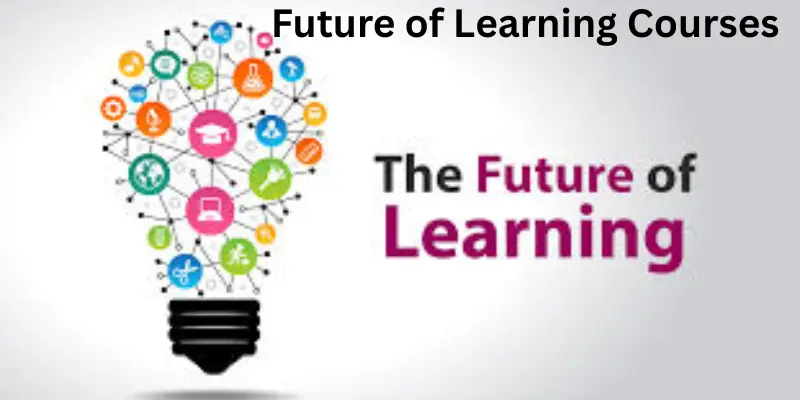
The future of learning courses is expected to become even more dynamic and personalized. Advances in technology such as artificial intelligence, virtual reality, data analytics, and adaptive learning systems are reshaping how students learn and how educators teach. These changes are making education more accessible, flexible, and effective for learners of all ages.
In this article, we will explore the future of learning courses, including emerging trends, technologies, benefits, challenges, and how these developments will shape education and career opportunities in the coming years.
Evolution of Learning Courses
To understand the future of learning courses, it is important to look at how learning systems have evolved.
Traditional Learning Era
For centuries, education mainly took place in physical classrooms where teachers delivered lectures and students learned through textbooks and written assignments. This model worked well but had limitations:
- Limited access for remote learners
- Fixed schedules and locations
- Slow updates to course materials
- Limited personalization
Digital Learning Revolution
The introduction of the internet transformed education dramatically. Universities and organizations started offering online courses that allowed students to learn remotely.
Online learning platforms made education more flexible by offering:
- Recorded lectures
- Interactive modules
- Digital assessments
- Online certifications
This change opened the door for millions of learners worldwide.
Modern Learning Platforms
Today, learning courses are available through global platforms, universities, and professional organizations. These courses include:
- Short skill-based courses
- Professional certifications
- Online degrees
- Micro-credentials
Modern courses focus more on skills, employability, and industry relevance rather than only academic knowledge.
Major Trends Shaping the Future of Learning Courses
The future of education is influenced by several technological and social trends that are changing how people learn.
Artificial Intelligence in Education
Artificial intelligence (AI) is becoming a powerful tool in education. AI-based systems can analyze student behavior, performance, and learning styles to create personalized learning paths.
AI in learning courses can:
- Recommend lessons based on student progress
- Provide instant feedback
- Automate grading and assessments
- Identify knowledge gaps
This allows students to learn more efficiently and at their own pace.
Personalized Learning
In the future, courses will become highly personalized. Instead of a single curriculum for everyone, learning platforms will adapt content according to individual needs.
Personalized learning includes:
- Custom course pathways
- Adaptive quizzes and tests
- AI-powered learning recommendations
- Individual progress tracking
This approach improves learning outcomes because students receive content that matches their skill level.
Microlearning
Microlearning is a modern educational approach where lessons are delivered in small, focused segments. Instead of long lectures, students learn through short videos, quizzes, and interactive modules.
Benefits of microlearning include:
- Better knowledge retention
- Flexible learning schedules
- Faster skill acquisition
- Mobile-friendly content
This trend will likely dominate future learning courses.
Virtual and Augmented Reality
Virtual reality (VR) and augmented reality (AR) technologies are revolutionizing how practical skills are taught.
For example:
- Medical students can practice surgeries in VR environments
- Engineering students can explore virtual machines
- Architecture students can design and walk through digital buildings
These technologies create immersive learning experiences that improve understanding and engagement.
Mobile Learning
Smartphones and tablets have become essential tools for modern education. Mobile learning allows students to access courses anytime and anywhere.
Future learning courses will be designed primarily for mobile devices with features like:
- Mobile apps for course access
- Offline learning options
- Short mobile-friendly lessons
- Interactive mobile quizzes
Mobile learning increases accessibility for learners around the world.
Role of Online Learning Platforms
Online learning platforms are becoming the backbone of modern education. They provide courses in various subjects and allow students to learn from experts worldwide.
Key Features of Modern Platforms
Future learning platforms will include advanced features such as:
- AI-driven course recommendations
- Interactive discussion communities
- Peer-to-peer learning
- Skill assessments and certifications
These features help students develop real-world skills while building professional networks.
Global Access to Education
One of the biggest advantages of online learning platforms is global accessibility. Students from developing countries can access high-quality education from international universities and institutions.
This reduces educational inequality and provides more opportunities for global learners.
Future Skills That Learning Courses Will Focus On
As industries evolve, the demand for new skills continues to grow. Future learning courses will focus heavily on career-oriented skills.
Technology Skills
Technology will remain one of the most important fields for future education.
Popular technology courses may include:
- Artificial intelligence
- Data science
- Cybersecurity
- Cloud computing
- Software development
- Blockchain technology
These skills are highly valued in modern industries.
Business and Entrepreneurship
Business education will also evolve to match the modern economy. Future learning courses will emphasize:
- Digital marketing
- Startup development
- E-commerce management
- Financial literacy
- Leadership skills
These courses help individuals build businesses and manage organizations effectively.
Creative and Digital Skills
Creative industries are expanding rapidly due to digital media platforms.
Future courses may include:
- Graphic design
- Video editing
- Content creation
- Animation
- Game development
These skills allow people to work remotely and build online careers.
Soft Skills Development
Technical knowledge alone is not enough for career success. Future learning courses will focus more on soft skills such as:
- Communication
- Critical thinking
- Problem-solving
- Emotional intelligence
- Team collaboration
Employers increasingly value these abilities in modern workplaces.
Benefits of Future Learning Courses
The transformation of education brings many advantages for students, professionals, and organizations.
Greater Accessibility
Online and digital learning allows people to access education regardless of location or financial limitations.
Students can learn from international institutions without traveling abroad.
Flexible Learning Schedules
Future learning courses will allow students to study at their own pace. This is especially helpful for working professionals and busy individuals.
Flexible learning includes:
- Self-paced modules
- Recorded lectures
- Weekend or evening courses
Cost-Effective Education
Many online courses are more affordable than traditional degree programs. Some platforms even offer free courses or financial aid.
This makes education accessible to a larger population.
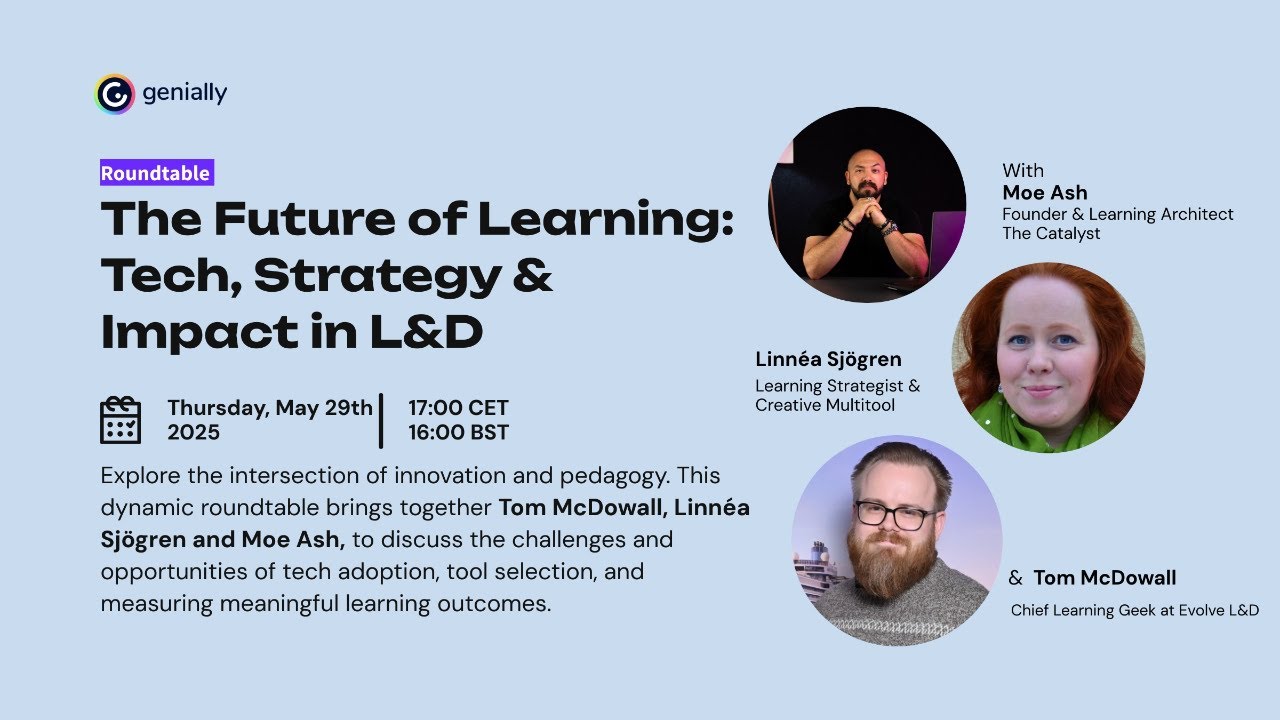
Lifelong Learning Opportunities
In the past, people completed education only once in their lives. Today, professionals must continuously upgrade their skills to stay competitive.
Future learning courses will support lifelong learning by offering short, flexible, skill-based programs.
Challenges Facing the Future of Learning Courses
Despite the many benefits, several challenges must be addressed for learning courses to reach their full potential.
Digital Divide
Not everyone has access to high-speed internet or modern devices. This digital gap can prevent some learners from benefiting from online education.
Governments and organizations must invest in digital infrastructure to solve this issue.
Quality Control
With thousands of online courses available, maintaining high educational standards can be difficult.
Some courses may lack proper curriculum design or qualified instructors.
Student Motivation
Online learning requires strong self-discipline. Some students struggle to stay motivated without physical classrooms and direct supervision.
Future platforms must develop engaging and interactive learning methods to keep students involved.
Credential Recognition
Although online certifications are growing in popularity, some employers still prefer traditional degrees.
However, this trend is gradually changing as more organizations recognize digital credentials.
Role of Universities in Future Learning
Universities will continue to play an important role in education, but their approach will evolve.
Many universities are already adopting hybrid learning models that combine:
- Online courses
- Virtual lectures
- In-person workshops
Universities will also collaborate with technology companies and industries to create practical, skill-based learning programs.
This ensures that students graduate with knowledge that matches real-world job requirements.
Corporate Learning and Workplace Training
Companies are increasingly investing in employee learning programs. Instead of hiring new workers, many organizations prefer to train existing employees.
Future corporate training programs will include:
- Online skill courses
- AI-driven employee training platforms
- Personalized career development plans
- Virtual workplace simulations
Continuous learning will become a core part of professional growth.
Future Technologies That Will Transform Learning
Several emerging technologies will significantly impact the future of learning courses.
Artificial Intelligence Tutors
AI tutors will provide instant support to students, answering questions and guiding them through difficult concepts.
These tutors will function like personal teachers available 24/7.
Learning Analytics
Data analytics will help educators understand how students learn and where they struggle.
Learning analytics can:
- Track student engagement
- Identify weak areas
- Improve course design
Blockchain Credentials
Blockchain technology may be used to store and verify educational certificates.
This ensures that digital credentials are secure and easily verified by employers.
Gamification
Gamification introduces game elements such as rewards, badges, and leaderboards into learning.
This approach increases student engagement and motivation.
Future of Certification and Degrees
The traditional four-year degree may not remain the only path to career success.
Future education systems will likely include:
- Micro-credentials
- Professional certificates
- Skill-based badges
- Short specialized programs
These credentials allow learners to gain specific skills quickly and demonstrate their expertise to employers.
How Students Can Prepare for the Future of Learning
Students should adapt to the changing educational environment by developing a proactive learning mindset.
Important strategies include:
- Embracing online learning platforms
- Building digital skills
- Taking short certification courses
- Practicing self-directed learning
- Staying updated with industry trends
By continuously improving their skills, students can remain competitive in the future job market.
Comparison Table of Online vs Traditional Learning
| Feature | Online Learning | Traditional Learning |
|---|---|---|
| Learning Location | Learn from anywhere with internet access | Requires physical classroom attendance |
| Schedule Flexibility | Flexible and self-paced learning | Fixed schedules and class timings |
| Cost | Often more affordable with many free courses | Usually more expensive (tuition, travel, accommodation) |
| Interaction | Virtual interaction through forums, chats, and video calls | Face-to-face interaction with teachers and classmates |
| Learning Materials | Digital resources such as videos, PDFs, and interactive modules | Printed textbooks and classroom lectures |
| Accessibility | Available globally to anyone with internet | Limited to students who can attend the institution |
| Learning Pace | Students can learn at their own speed | Course pace decided by instructor |
| Technology Requirement | Requires devices and internet connection | Minimal technology required |
| Certification | Digital certificates and online credentials | Traditional degrees and diplomas |
| Practical Experience | May include virtual labs and simulations | Hands-on practical experience in classrooms or labs |
Top 20 Future Learning Courses for Careers
The demand for new skills is increasing due to rapid technological advancement and global digital transformation. The following courses are expected to dominate future career opportunities.
- Artificial Intelligence (AI)
AI courses teach machine learning, neural networks, and automation technologies used in modern industries. - Data Science and Data Analytics
These courses focus on analyzing large datasets to help organizations make informed decisions. - Cybersecurity
Cybersecurity professionals protect systems, networks, and data from digital threats and cyber attacks. - Cloud Computing
Cloud computing courses teach skills related to cloud platforms, infrastructure, and digital storage solutions. - Digital Marketing
Digital marketing includes SEO, social media marketing, content marketing, and online advertising strategies. - Software Development
Software development courses teach programming languages and software engineering concepts. - Blockchain Technology
Blockchain is used for secure transactions and decentralized systems in finance and other industries. - UX/UI Design
These courses focus on creating user-friendly digital products and improving user experience. - Machine Learning
Machine learning courses teach algorithms that allow computers to learn from data and improve automatically. - Robotics Engineering
Robotics combines mechanical engineering, electronics, and artificial intelligence. - Game Development
Game development courses cover game design, programming, and digital graphics. - Mobile App Development
Mobile app developers design and build applications for smartphones and tablets. - Healthcare Technology
Healthcare technology courses focus on digital health systems, medical data, and telemedicine. - Financial Technology (FinTech)
FinTech courses teach digital financial systems, online payments, and cryptocurrency technologies. - Project Management
Project management courses help professionals plan, execute, and manage complex projects. - Entrepreneurship and Startup Management
These courses help individuals start and manage successful businesses. - Renewable Energy Technology
Renewable energy courses focus on sustainable power sources such as solar and wind energy. - Artificial Reality and Virtual Reality Development
AR and VR courses teach immersive technology used in gaming, education, and training. - Content Creation and Media Production
These courses focus on digital storytelling, video production, and online content creation. - Digital Product Management
Product management courses teach how to design, develop, and launch digital products.
FAQs on “Future of Learning Courses”
1. What are learning courses in modern education?
Learning courses are structured educational programs designed to teach specific knowledge or skills. These courses can be offered online or offline and may include certifications, degrees, or professional training.
2. Why are online learning courses becoming more popular?
Online learning courses are popular because they offer flexibility, affordability, and global accessibility. Students can learn from anywhere and often study at their own pace.
3. What skills will future learning courses focus on?
Future courses will focus on technology skills such as artificial intelligence, data science, cybersecurity, cloud computing, and digital marketing, along with essential soft skills like communication and problem-solving.
4. Are online courses recognized by employers?
Yes, many employers recognize online certifications, especially those offered by reputable universities, organizations, and professional platforms.
5. How will technology change the future of learning courses?
Technologies like artificial intelligence, virtual reality, learning analytics, and mobile learning will create personalized, interactive, and immersive educational experiences.
6. Are traditional classrooms disappearing in the future?
Traditional classrooms are not disappearing but evolving. Many institutions are adopting hybrid learning models that combine online and in-person education.
Summary
The future of learning courses is rapidly evolving due to advancements in technology and changing workforce demands. Artificial intelligence, virtual reality, personalized learning systems, and mobile education are transforming how people acquire knowledge and skills.
Learning is becoming more flexible, accessible, and focused on real-world applications. Online platforms, universities, and companies are collaborating to create courses that prepare learners for modern careers.
Although challenges such as digital access, quality control, and student motivation still exist, innovations in education technology are continuously improving the learning experience.
As education continues to evolve, lifelong learning will become essential for individuals who want to remain competitive in the global economy.
Conclusion
The future of learning courses promises an exciting transformation in the world of education. Technology-driven innovations are making learning more personalized, interactive, and accessible than ever before.
Students will have greater control over their educational journeys, choosing courses that match their interests, career goals, and learning styles. At the same time, educators and institutions will use advanced tools to create more engaging and effective learning environments.
As industries continue to change, continuous education and skill development will become essential for success. Those who embrace modern learning opportunities will be better prepared to adapt to future challenges and opportunities.
Ultimately, the future of learning courses is not just about gaining knowledge—it is about empowering individuals with the skills, creativity, and confidence needed to thrive in an ever-changing world.



- Be Respectful
- Stay Relevant
- Stay Positive
- True Feedback
- Encourage Discussion
- Avoid Spamming
- No Fake News
- Don't Copy-Paste
- No Personal Attacks
- Be Respectful
- Stay Relevant
- Stay Positive
- True Feedback
- Encourage Discussion
- Avoid Spamming
- No Fake News
- Don't Copy-Paste
- No Personal Attacks
